Logistics Intelligence & Updates
Expert insights, regulatory updates, and supply chain solutions from Dubai Cargo Village.
7 Best Red Sea Freight Route Diversion Services
Table of Contents
- Red Sea Diversions Explained: Suez Carries About 12% of Global Trade
- How Cape of Good Hope Rerouting Changes Transit Time and Fuel Use
- Seven Freight Services Compared by Route Planning, Capacity, and Tracking
- How to Evaluate Diversion Costs, Surcharges, and Schedule Reliability
- What a 42% Drop in Suez Transits Means for Shippers’ Risk Planning
- FAQS
- Conclusion
- Related Posts
Red Sea Freight Route Diversion Services help shippers respond when security concerns and vessel schedules make the usual Suez Canal route impractical. A diversion around the Cape of Good Hope can add days at sea, consume more fuel, and shift arrival windows. The effects show up in real details: a missed berth, a container waiting at a transshipment hub, or a warehouse short on stock. Plans change quickly. Estimates can, too.
Maritime analyst Lars Jensen has discussed how Red Sea disruption affects shipping capacity and schedules. Paraphrasing that operational perspective: “A route change is also a schedule change.” That distinction matters. A capable service provider should explain route options, likely transit-time effects, and the limits of available information. Shippers should also ask how often updates arrive and who coordinates with carriers, ports, and inland transport teams. Clear answers are useful.
This guide reviews seven service providers through practical criteria, including routing expertise, communication, network reach, and contingency planning. No provider can remove every delay. Even careful plans can miss a turn. The comparison aims to show what each service may offer, what questions deserve closer attention, and where public details remain incomplete. Readers can use it as a starting point, then verify current routes, schedules, and costs against their own cargo needs.
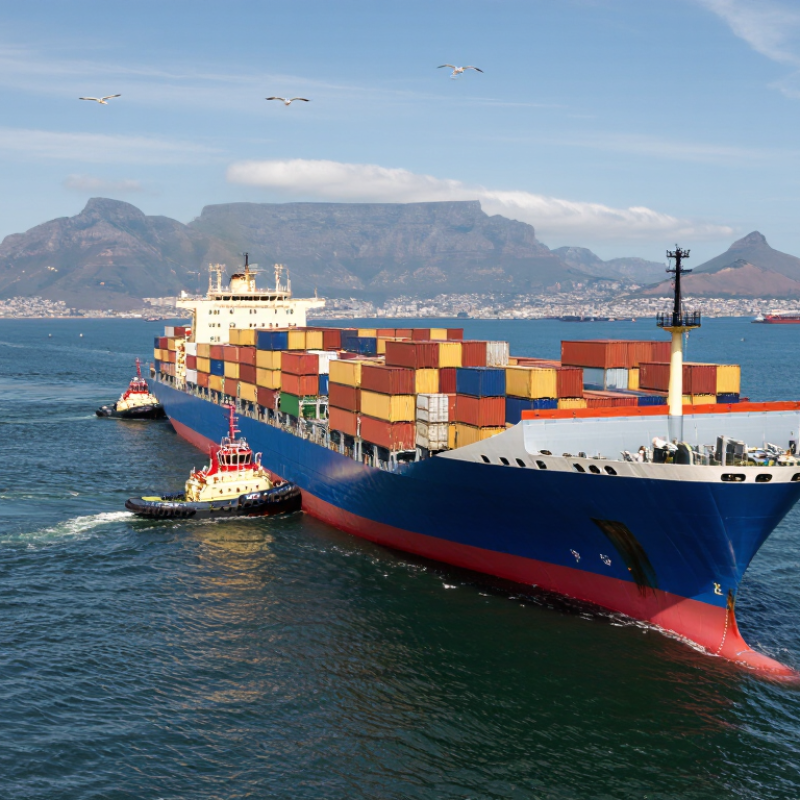
Red Sea Diversions Explained: Suez Carries About 12% of Global Trade
The Suez Canal carries about 12% of global trade, though estimates vary by year and measurement. That share helps explain why Red Sea disruption can affect schedules far beyond the region. When vessels avoid the route, many travel around the Cape of Good Hope instead. The longer journey can add days or weeks, depending on the origin, destination, and vessel speed. Small delays can ripple into missed connections and crowded ports.
A useful diversion service should explain its route options, estimated transit times, and how often it updates customers. Ask whether the quote includes fuel changes, port handling, and possible schedule adjustments. A clear plan matters more than a confident promise. Even good forecasts can miss weather or congestion; that uncertainty deserves honest discussion. Diversion is not automatically the best choice, since cargo deadlines, equipment availability, and total costs differ.
Tips: Compare the revised arrival date with your delivery deadline. Request written updates when routes change. Check that documents and cargo details match the new itinerary. Keep a little schedule buffer; it may still prove insufficient.
Red Sea Diversions Explained: Suez Carries About 12% of Global Trade
Estimated share of selected global trade flows that pass through the Suez Canal and Red Sea corridor
Rerouting ships around the Cape of Good Hope can add about 10 days or more to some Asia–Europe journeys. Figures are approximate, and each percentage uses a different trade-flow denominator. Sources: UNCTAD and U.S. Energy Information Administration.
How Cape of Good Hope Rerouting Changes Transit Time and Fuel Use
Cape of Good Hope rerouting adds distance, days, and fuel consumption, but the impact depends on vessel speed, weather, and port schedules. UNCTAD’s Review of Maritime Transport 2024 reported that Cape transits rose 89% between October 2023 and June 2024, while Suez Canal transits fell 70%. For some Asia–Europe voyages, going around southern Africa can add roughly 3,000 to 4,000 nautical miles and about one to two weeks. Exact increases vary by origin, destination, and sailing plan.
More distance usually means more fuel, especially when ships maintain speed to protect arrival windows. But the relationship is not simple: slower steaming can reduce daily consumption, while congestion or rough seas may erase some savings. IMO’s Fourth Greenhouse Gas Study estimated that shipping produced 2.89% of global anthropogenic CO2 emissions in 2018, underscoring why extra fuel matters. Still, route comparisons need vessel-specific data, not a single industry-wide multiplier. That estimate can mislead. A useful diversion assessment should compare nautical miles, expected speed, fuel burn, and arrival reliability against the original route. One detail often gets missed: a longer voyage also ties up ship capacity, affecting schedules beyond the diverted vessel.
Seven Freight Services Compared by Route Planning, Capacity, and Tracking
Seven Best Red Sea Freight Route Diversion Services
Choosing a Red Sea diversion service means comparing more than price. Ocean carriers offer direct capacity, while freight forwarders and NVOCCs can combine bookings across carriers. Digital booking platforms make quotes easier to compare, but their tracking may depend on carrier data. Charter brokers suit large or urgent shipments; multimodal providers add rail or truck connections. Regional consolidators can help smaller cargoes, though schedules may be less flexible. These seven service types differ in route planning, available space, and shipment visibility.
Route planning matters because diversions change transit time and port calls. IMF PortWatch estimated that trade volume through the Suez Canal fell about 50% year over year in the first two months of 2024, while traffic around the Cape of Good Hope rose 74%. Ask providers for dated sailing options, transshipment points, and contingency plans. For capacity, request confirmed space and cut-off times, not just a quote. Tracking should show vessel milestones and explain delays. A map alone is not enough.
Tips: Compare the same origin, destination, cargo size, and delivery terms. Ask when tracking updates refresh. Keep one backup route. Even careful plans can slip; I have seen schedules look reassuring until a missed connection adds days. That uncertainty deserves a clear answer before booking.
How to Evaluate Diversion Costs, Surcharges, and Schedule Reliability
7 Best Red Sea Freight Route Diversion Services
How to Evaluate Diversion Costs, Surcharges, and Schedule Reliability
A diversion quote can look manageable until extra charges appear. Ask whether the price includes fuel adjustments, war-risk premiums, transshipment, and inland delivery. Check when each surcharge applies and whether it is fixed or recalculated before departure. A low headline rate may hide costly exceptions. Read the exclusions.
Compare each service using the same shipment details: container size, origin, destination, cargo readiness date, and delivery deadline. Request an itemized estimate, including likely port storage and handling fees if a connection is missed. Ask how long the quoted rate remains valid. Small details matter.
Schedule reliability needs more than a promised arrival date. Review recent sailing updates, missed-connection procedures, and how often the provider revises estimated arrival times. Ask for milestone alerts at booking, loading, transshipment, and discharge. Build a buffer for customs clearance and final delivery, especially when a factory shutdown or retail launch depends on the cargo. No schedule is guaranteed. Diversion planning still involves uncertainty, and even a careful comparison can miss a fee or delay. Note what remains unconfirmed, then get those assumptions in writing before choosing a route.
What a 42% Drop in Suez Transits Means for Shippers’ Risk Planning
A 42% drop in Suez transits is more than a traffic statistic. It can signal longer voyages, shifting port calls, and less predictable arrival windows. The figure needs context: its period and data source matter. A short-term decline may not describe every carrier or service.
For shippers, route diversion planning should start with shipment details. A container leaving Asia for northern Europe may face a longer passage around the Cape of Good Hope. That adds sailing days and can disrupt delivery slots, warehouse labor, and inventory cover. Ask providers for alternative routing options, estimated transit ranges, schedule-update procedures, and clear cost assumptions. Check whether cargo needs temperature monitoring or has a fixed delivery appointment. Small details matter.
Build plans around scenarios, not one promised arrival date. Set a trigger for reviewing routes, such as repeated schedule changes or tighter port capacity. Keep a modest buffer for critical goods, and confirm who pays for extra handling or storage. Track departures, transshipment points, and revised arrival estimates in one shared record. It will not remove uncertainty. And some forecasts will miss. Review the plan regularly, especially when transit data changes.
7 Best Red Sea Freight Route Diversion Services — What a 42% Drop in Suez Transits Means for Shippers’ Risk Planning
UNCTAD reported that weekly Suez Canal transits had fallen by about 42% from their recent peak by early 2024. This is a historical disruption indicator, not a forecast of current traffic or an estimate of any individual shipment’s delay.
| Route-planning service | Best suited for | Planning impact | Risk-planning action | Key measure to monitor |
|---|---|---|---|---|
| Cape of Good Hope diversion | Asia–Europe and other services where avoiding the Red Sea is the priority | The longer voyage can add roughly 10–14 days on some Asia–Europe services; actual impact depends on ports, speed, and schedule. | Recalculate arrival dates, inventory cover, fuel exposure, and downstream bookings before confirming the change. | Revised estimated time of arrival (ETA) and sailing schedule |
| Voyage and route comparison | Shippers deciding between a Suez transit and a Cape diversion | Compares transit time, distance, schedule reliability, and route-specific operating assumptions. | Use scenario comparisons rather than treating a published transit time as guaranteed. | Door-to-door ETA range and schedule variance |
| Port-of-call or discharge-port change | Cargo with alternative ports and available onward road, rail, or feeder connections | May shorten or redirect the ocean leg, but can add handling, inland transport, and transfer time. | Confirm port acceptance, customs requirements, equipment availability, and final-mile capacity before rerouting. | Total landed time and extra handling steps |
| Multimodal rail or road alternative | Time-sensitive cargo for which an available land corridor is operationally and commercially suitable | Can provide an alternative to all-water routing; capacity, border procedures, and transit times vary by corridor. | Verify current corridor availability, cargo eligibility, security requirements, and handover points. | Confirmed capacity and end-to-end transit time |
| Feeder and transshipment planning | Cargo whose destination can be reached through an alternative hub or connecting service | Adds a transfer and may create missed-connection or congestion exposure. | Check connection windows, terminal handling, and contingency options if the first leg is delayed. | Connection buffer and confirmed onward sailing |
| Schedule-buffer and inventory planning | Regular shipments supporting production, retail, or replenishment schedules | Does not change the route; it reduces the chance that a delay immediately interrupts operations. | Set buffers according to shipment variability, replenishment lead time, and the cost of a stockout. | Days of inventory cover and delivery performance |
| Cargo insurance and contingency review | Cargo exposed to changing route, delay, or transshipment conditions | Coverage depends on the policy wording; rerouting or delay does not automatically mean every loss is covered. | Ask the insurer or broker to confirm applicable terms, exclusions, notification duties, and any route-related conditions. | Written confirmation of coverage and reporting requirements |
Planning note: Transit-time ranges are indicative and vary by origin, destination, vessel speed, port calls, and operating conditions. Historical Suez transit figures are reported by UNCTAD; they should not be used as a substitute for current carrier schedules or shipment-specific advice.
FAQS
The Suez Canal carries about 12% of global trade, though estimates vary. Delays can spread to connecting ships and crowded ports.
The trip becomes longer. Some Asia–Europe voyages add roughly 3,000 to 4,000 nautical miles and one to two weeks.
Usually, extra distance means more fuel. Slower sailing may reduce daily use, but rough seas or port delays can change the result.
A longer voyage keeps a ship occupied for more time. That can affect later schedules and vessel availability.
No. Compare the new arrival date, total costs, equipment availability, and delivery deadline. One factor can be overlooked.
Ask for route options and estimated transit times. Check whether fuel changes, port handling, and schedule adjustments are included.
Request written updates when plans change. Check that cargo details and documents match the new itinerary.
It helps, but may not be enough. Weather and congestion are hard to predict. A confident estimate can still be wrong.
Conclusion
Red Sea Freight Route Diversion Services help shippers assess alternatives when security concerns or schedule disruptions affect passage through the Suez Canal, which carries about 12% of global trade. Rerouting around the Cape of Good Hope can reduce exposure to certain route risks, but often adds sailing time and fuel consumption. The resulting changes may affect delivery schedules, inventory plans, and overall shipping costs.
This overview compares seven freight services based on route planning, available capacity, shipment tracking, and support for managing diversions. It also explains how to evaluate extra transit time, fuel-related charges, surcharges, and schedule reliability before choosing a service. With Suez transits reported to have fallen by 42%, shippers can use flexible routing plans and clear contingency measures to better prepare for uncertainty and protect supply chain continuity.

Blog Tags: