Logistics Intelligence & Updates
Expert insights, regulatory updates, and supply chain solutions from Dubai Cargo Village.
China–GCC trade depends on dependable overland connections, clear pricing, and realistic delivery expectations. This guide examines China Top GCC Cross Border Trucking Road Freight Rates across major routes and shipment types. It focuses on practical conditions, not attractive numbers alone.
A truck leaving Kashgar may face different costs from one departing Shenzhen. Distance, border procedures, fuel prices, vehicle type, cargo weight, and seasonal demand all influence the final quotation. Transit time also changes near busy crossings, especially when documentation needs review. A professional comparison should separate line-haul charges from customs handling, insurance, storage, and last-mile delivery.
GCC Cross-Border Trucking Road Freight can support steady movement toward Saudi Arabia, the United Arab Emirates, Oman, Qatar, Kuwait, and Bahrain. Reliable providers normally explain route options, cargo requirements, tracking methods, and service limits before booking. Their quotations should be dated and itemized.
Rates change quickly.
A recent quote is not a permanent benchmark. That limitation matters. Some market comparisons may overlook border waiting time or local delivery fees. Readers should verify current offers with qualified carriers and logistics specialists. They should also confirm applicable trade documents, vehicle standards, cargo descriptions, and destination requirements before dispatch. These checks reduce surprises and improve planning.
The discussion uses operational details that shippers can understand: a sealed trailer, a border queue, a delivery appointment, and a signed proof of receipt. Such details reveal where service quality affects total cost. The most useful rate is not always the lowest one. It is the rate supported by transparent assumptions, credible experience, and dependable execution.
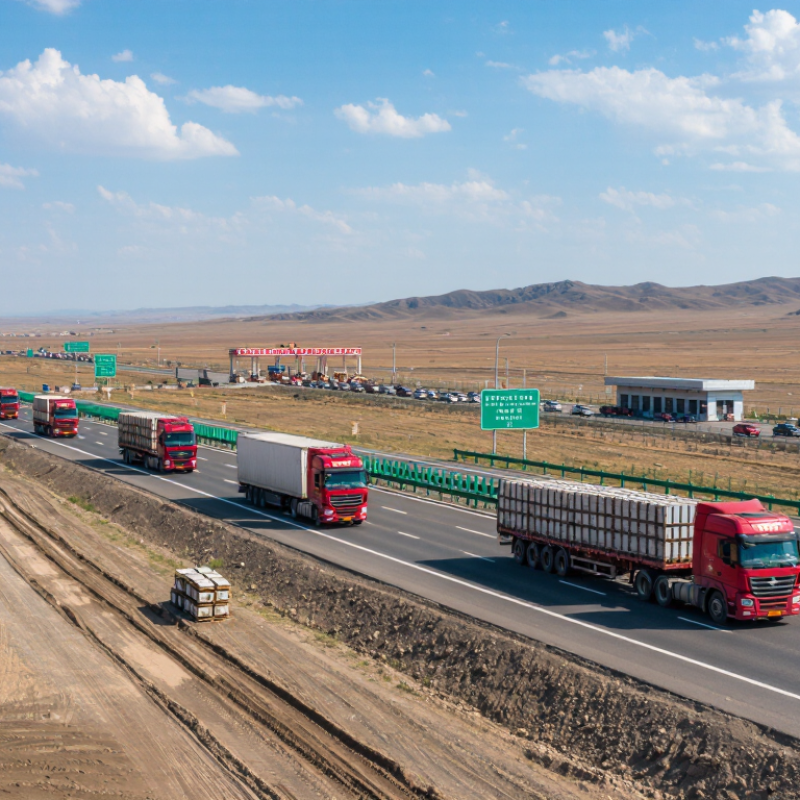
China–GCC Cross-Border Trucking and Road Freight Rate Overview
China–GCC cross-border trucking rates depend on distance, border procedures, vehicle type, and delivery country. A standard full-truck movement from eastern China to the Gulf may require roughly USD 7,000–15,000 for budgeting. This is only an indicative range, not a firm quotation. Saudi Arabia, the United Arab Emirates, Oman, Qatar, Kuwait, and Bahrain can each produce different final costs.
A typical shipment may use a 13.6-meter trailer with about 20–22 tons of lawful commercial cargo. The rate usually includes line-haul transport, fuel, tolls, border handling, and basic cargo insurance. It may exclude customs duties, storage, special permits, unloading equipment, and destination delivery. Transit is uneven. Border congestion can add several days, especially when documents, seals, or product descriptions require correction.
For accurate pricing, a freight planner should confirm the pickup city, final Gulf address, cargo dimensions, gross weight, customs classification, and preferred delivery schedule. Full-truckload pricing is often clearer than pallet-based estimates, but small shipments may need consolidation. A neat spreadsheet can still be wrong. In practice, one missing document or an unsuitable trailer can change the cost quickly. Shippers should request a written rate breakdown, border assumptions, validity period, and delay conditions before approving transport. Rates also move with diesel prices, seasonal demand, exchange rates, and route availability. The cheapest offer may not provide the most reliable delivery window.
China Top GCC Cross Border Trucking Road Freight Rates - China–GCC Cross-Border Trucking and Road Freight Rate Overview
| Origin in China | GCC Destination | Typical Road Corridor | Equipment / Load Type | Indicative Road Rate (USD / 40-ft equivalent) |
Typical Transit Time | Main Cost Drivers |
|---|---|---|---|---|---|---|
| Eastern China | Saudi Arabia | China–Central Asia–Iran–UAE–Saudi Arabia | Curtainsider or dry van; full truckload | $9,500–$13,500 | 28–42 days | Multiple border crossings, ferry or multimodal segments, customs clearance, security requirements |
| Western China | United Arab Emirates | Xinjiang–Kyrgyzstan/Kazakhstan–Uzbekistan–Turkmenistan–Iran–UAE | Dry van; full truckload or consolidated load | $8,000–$11,500 | 22–35 days | Iran transit procedures, transloading, road permits, fuel and border waiting time |
| Central China | Qatar | China–Central Asia–Iran–UAE–Saudi Arabia–Qatar | Dry van; full truckload | $10,000–$14,500 | 30–45 days | Long inland distance, GCC entry formalities, border scheduling and delivery appointment requirements |
| Eastern China | Kuwait | China–Central Asia–Iran–UAE–Saudi Arabia–Kuwait | Dry van; full truckload | $10,500–$15,000 | 32–47 days | Distance, customs transit bonds, GCC border congestion and final-mile delivery restrictions |
| Western China | Bahrain | Xinjiang–Central Asia–Iran–UAE–Saudi Arabia–Bahrain | Dry van; full truckload | $9,500–$13,500 | 28–42 days | Saudi transit procedures, bridge or ferry planning, insurance and customs documentation |
| Central China | Oman | China–Central Asia–Iran–UAE–Oman | Dry van; full truckload | $9,000–$13,000 | 27–40 days | Iran–UAE transfer costs, vehicle permits, mountainous routes and customs inspection time |
| Eastern China | United Arab Emirates | China–Central Asia–Iran–UAE | Dry van; full truckload | $8,500–$12,500 | 25–38 days | Distance, transloading, border queues, customs brokerage and port-area delivery charges |
| Western China | Saudi Arabia | Xinjiang–Central Asia–Iran–UAE–Saudi Arabia | Curtainsider or dry van; full truckload | $8,500–$12,000 | 24–37 days | Origin positioning, Iran transit, GCC customs clearance and final delivery distance |
FAQS
A full-truck movement may cost roughly USD 7,000–15,000. This range is only for early budgeting.
Distance, border procedures, fuel prices, tolls, vehicle type, and delivery location can change the price.
A 13.6-meter trailer may carry about 20–22 tons of lawful commercial cargo, subject to route rules.
Basic rates often include line-haul transport, fuel, tolls, border handling, and basic cargo insurance.
Customs duties, storage, special permits, unloading equipment, and final delivery may require separate payment.
Incorrect documents, unclear product descriptions, missing seals, or inspections can create waiting and storage charges.
Provide the pickup city, final address, cargo dimensions, gross weight, customs classification, and delivery schedule.
Not always. Full trucks often improve unit costs, while smaller shipments may suit consolidation.
Holidays, severe weather, and limited vehicle availability can raise rates and extend delivery times.
Mileage-only estimates can miss empty return miles, border waiting, trailer limits, and changing fuel costs. My earlier estimates missed some of these risks.
Conclusion
China–GCC Cross-Border Trucking Road Freight connects manufacturing centers in China with major markets across the Gulf Cooperation Council, including the UAE, Saudi Arabia, Qatar, Kuwait, Bahrain, and Oman. This overview explains key overland routes, border crossings, and regional distribution links, while highlighting how distance, cargo volume, vehicle type, fuel costs, tolls, border procedures, and seasonal demand influence freight rates. Rates may also vary according to shipment urgency, pickup and delivery locations, cargo dimensions, and whether the service is full truckload or shared transport.
Customs documentation, permits, inspections, and transit coordination are essential for smooth cross-border movement. Transit times depend on route conditions, border congestion, documentation accuracy, and the selected service level. Standard trucking is suitable for cost-conscious shipments, while expedited or dedicated services can support more time-sensitive deliveries. By comparing route options, preparing complete paperwork, and selecting suitable transport arrangements, businesses can better control costs and improve delivery reliability throughout the China–GCC trade corridor.