Logistics Intelligence & Updates
Expert insights, regulatory updates, and supply chain solutions from Dubai Cargo Village.
China–Dubai trade is becoming more time-sensitive, especially for electronics, machinery, spare parts, and consumer goods. Bonded Warehousing Dubai Cargo Village offers a practical storage option near Dubai International Airport. It can support compliant cargo handling before customs clearance, re-export, or local distribution.
The World Bank’s Logistics Performance Index 2023 ranked the United Arab Emirates seventh worldwide. Its assessment highlighted customs, infrastructure, logistics competence, and shipment timeliness. These factors matter when Chinese exporters compare warehouse locations. A few hours can affect inventory costs.
Dubai Airports reported that Dubai International handled about 2.2 million tonnes of air cargo in 2023. The airport’s cargo ecosystem connects Asian suppliers with markets across the Gulf, Africa, and Europe. DHL’s Global Connectedness Report also identifies the UAE as a highly connected trading hub. These figures explain the interest in Cargo Village facilities.
But “best” needs careful definition. Published reports rarely separate bonded warehouse performance from wider airport operations. Rental terms, customs procedures, temperature control, security, and inventory systems require direct verification. A warehouse may look efficient on paper, yet loading delays can appear during peak seasons. That detail is often missed.
For China-based companies, the strongest option should combine airport proximity, experienced staff, transparent documentation, and reliable cargo tracking. It should also match product requirements, storage duration, and destination rules. This article examines Bonded Warehousing Dubai Cargo Village through those practical measures, using available industry data and operational considerations. The conclusion may not be absolute. Different cargo profiles need different answers.
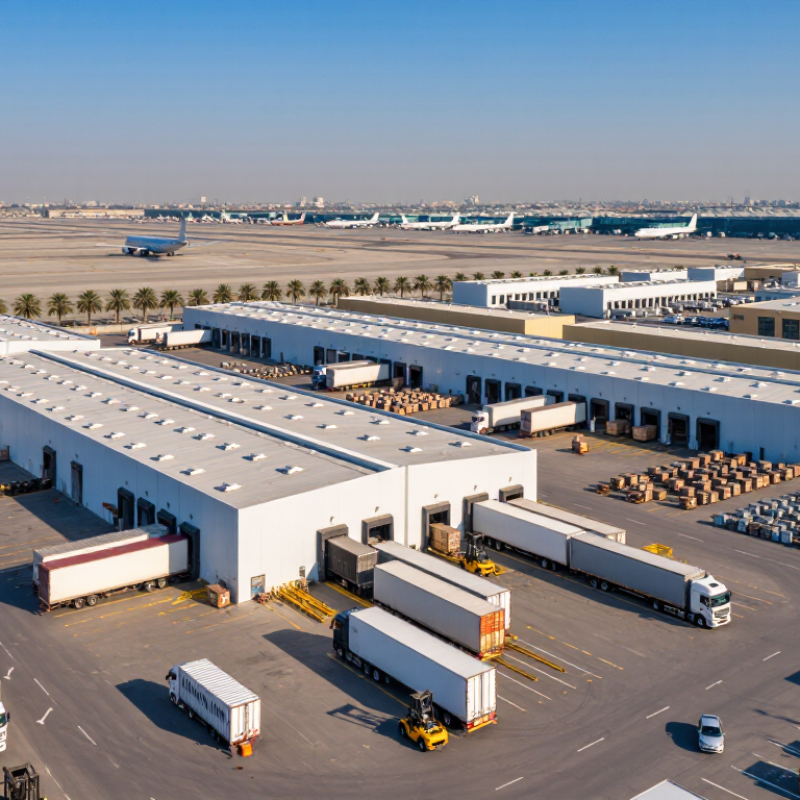
Bonded Warehousing: Definition and Key Features
Bonded warehousing is a customs-controlled storage arrangement for imported goods. In Dubai Cargo Village, it can help businesses hold air-freight shipments before deciding whether to move them into the local market or re-export them. Applicable duties and taxes are generally deferred while goods remain under the approved procedure, subject to customs requirements. Deferred does not mean waived.
A bonded facility typically records each shipment’s arrival, location, movement, and release. Staff may check seals, match packages against documents, and update inventory after handling. These records support traceability and help customs officers verify a shipment’s status. Access controls and designated storage areas can also reduce mix-ups between goods awaiting clearance and goods already released.
Details matter. Importers should confirm a facility’s authorization, permitted activities, required documents, and release procedures before arranging storage. Rules and charges may vary by shipment and current customs procedures, so confirm them with qualified local advisers. Paperwork can feel repetitive, but missing details may delay release. A practical point: bonded storage adds time and control, not certainty; planning for inspections, storage limits, and delivery slots still matters.
| Dimension | Bonded Warehousing: Definition and Key Features | Dubai Cargo Village Context |
|---|---|---|
| Definition | A customs-controlled facility where imported goods may be stored before customs duties and import taxes are paid, subject to local regulations. | Bonded storage near Dubai International Airport can support air-freight cargo awaiting customs clearance or onward movement. |
| Customs supervision | Goods remain under customs control. Storage, handling, and removal are governed by customs procedures and authorized records. | Operators and cargo owners must follow the applicable UAE customs and free-zone requirements for the facility and shipment. |
| Duty and tax timing | Payment may be deferred while eligible goods remain in bond. Duties and taxes are generally assessed when goods enter the domestic market, subject to applicable rules. | Eligible cargo can be held pending a decision to clear it for local use, re-export it, or move it under an approved customs procedure. |
| Common cargo | Typical cargo includes general merchandise, spare parts, electronics, textiles, and other imported goods permitted by customs rules. | Air-freight shipments may include time-sensitive or high-value items requiring secure storage and accurate inventory control. |
| Core services | Services may include receiving, storage, inventory tracking, order preparation, cargo handling, and customs documentation support. | Airport-area facilities can provide access to air-cargo handling and connections to road transport for regional distribution. |
| Security and access | Facilities commonly use controlled entry, shipment identification, stock records, and security procedures to protect goods and maintain traceability. | Security arrangements and access controls depend on facility approvals, cargo type, and applicable aviation and customs requirements. |
| Storage period | Permitted storage periods and extensions depend on the governing customs regime, cargo status, and required approvals. | Confirm the applicable time limits with the facility operator and relevant customs authority before planning long-term storage. |
| Re-export and onward movement | Bonded goods may be eligible for re-export or transfer to another approved customs location, subject to documentation and authorization. | Airport proximity can be useful for cargo continuing by air or moving onward by road, subject to route and transit procedures. |
| Documentation | Typical records include commercial invoices, packing lists, transport documents, customs declarations, and permits where required. | Document requirements vary by shipment, origin, destination, commodity, and customs procedure; verify them before cargo arrival. |
| Potential advantages | Bonded storage can improve inventory flexibility, defer eligible duty payments, and support consolidation or re-export planning. | Location near an international airport may reduce inland transfer time for air cargo, although actual performance depends on handling and clearance arrangements. |
| Important checks | Confirm facility authorization, permitted goods, fees, handling capacity, insurance terms, storage limits, and procedures for release or re-export. | Compare service scope, airport access, customs processes, transport options, and total landed costs before selecting a storage arrangement. |
FAQS
It is customs-controlled storage for imported goods. Duties and taxes are generally deferred while goods remain under the approved procedure. Deferred does not mean waived.
Cargo may be stored, inspected, consolidated, or prepared for re-export with proper approval. Facility records track its location and movements.
Prepare the commercial invoice, packing list, transport document, origin details, HS classification, and customs value. Match carton counts and weights carefully.
Customs release procedures and applicable payments must be completed. Confirm the release authority and required documents in writing.
Services can include unloading, pallet storage, inventory checks, relabeling, order picking, inspections, and onward transport. Confirm which services are permitted.
Request written rates for receiving, storage, handling, documentation, inspection, delivery, insurance, and demurrage. Ask about minimum and weekend fees, too.
Missing carton details, inaccurate weights, or mismatched records may trigger checks. One small discrepancy can hold up the handover.
Send final documents before arrival and compare them against the shipment. Keep one contact responsible for customs communication. Leave time for amendments.
No. It adds storage and control, not certainty. Inspections, space limits, and delivery slots can still affect timing.
Conclusion
Bonded Warehousing Dubai Cargo Village provides a practical solution for managing China–Dubai shipments before customs clearance. A bonded warehouse allows imported cargo to be stored securely while duties and taxes are deferred, supporting better inventory control and smoother international trade. Dubai Cargo Village offers strategic access to air cargo facilities, road networks, customs services, and regional distribution routes, making it suitable for time-sensitive shipments.
China–Dubai bonded cargo operations typically involve careful documentation, cargo arrival, customs coordination, secure storage, inspection when required, and final release or re-export. When choosing a facility, businesses should evaluate location, storage capacity, handling services, security, technology, transit efficiency, and experience with international freight. Costs may include storage, handling, documentation, customs processing, and transportation fees. Clear compliance procedures, accurate invoices, packing lists, origin records, and timely communication are essential for reducing delays and ensuring efficient, transparent cargo movement.