UKF Insights & Industry Blog

Logistics Intelligence & Updates

Expert insights, regulatory updates, and supply chain solutions from Dubai Cargo Village.

0%

China Top 10 Heavy Lift Project Cargo Logistics Dubai providers connect Chinese manufacturers with Dubai’s ports, industrial zones, and construction sites. This introduction examines companies handling transformers, turbines, steel modules, pressure vessels, and oversized machinery. Their work depends on route planning, lifting studies, port coordination, customs documentation, and disciplined site execution.

Dubai adds practical complexity. Jebel Ali Port may receive a 120-ton transformer, yet the final delivery can involve narrow industrial roads, night movements, bridge checks, and temporary crane platforms. Strong providers calculate axle loads, turning radii, wind limits, and ground bearing capacity before equipment leaves China. They also coordinate multilingual teams across factories, vessels, freight terminals, and project sites. Small omissions can create expensive delays.

John Manners-Bell, founder and chief executive of Transport Intelligence, has stated, “Supply chains are only as strong as their weakest link.” That observation suits Heavy Lift Project Cargo Logistics Dubai, where one missed measurement can affect an entire installation schedule. The leading companies usually offer engineering-led planning, experienced rigging supervision, real-time shipment visibility, and documented safety procedures. Their performance should be judged by evidence, not impressive claims.

No ranking is perfectly permanent. Market capacity changes, equipment availability shifts, and project conditions differ. A provider that performs well for a 300-ton refinery module may not suit delicate renewable-energy equipment. Readers should compare lifting records, insurance coverage, technical certifications, local partnerships, and completed project references. The best choice is rarely the loudest one. Sometimes, caution looks slower, but it prevents costly surprises.
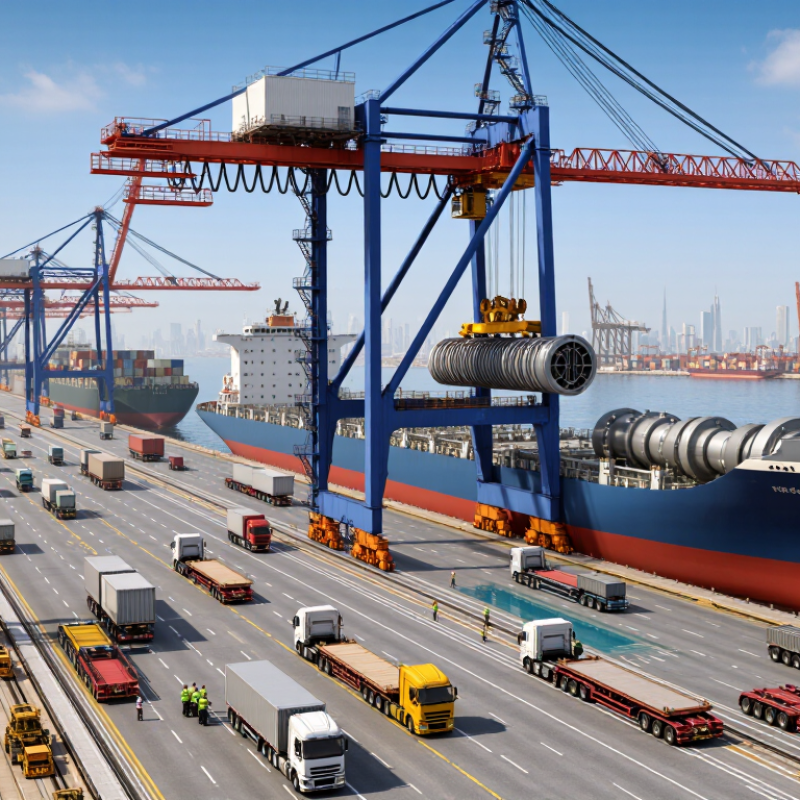
China Top 10 Heavy Lift Project Cargo Logistics Dubai?

Definition and Scope of Heavy-Lift Project Cargo Logistics in Dubai

China Top 10 Heavy Lift Project Cargo Logistics Dubai

Definition and Scope of Heavy-Lift Project Cargo Logistics in Dubai

Heavy-lift project cargo logistics in Dubai covers the planning and movement of oversized, overweight, or complex equipment. Typical cargo includes transformers, turbines, industrial modules, cranes, and steel structures shipped from China. The scope extends beyond transportation. It includes cargo surveys, lifting studies, port handling, customs documentation, route checks, permits, temporary storage, and final delivery. At Jebel Ali, a small clearance mistake can delay a 120-ton load for days. Experienced teams verify dimensions, axle weights, lifting points, and road restrictions before dispatch. They also coordinate vessel schedules, mobile cranes, escorts, and safe installation areas.

Safety remains central. Engineers should confirm ground bearing capacity, crane radius, wind limits, and trailer stability. Every lifting plan needs clear responsibilities and emergency controls. Documentation must match the actual cargo, not an earlier estimate. That detail matters. A practical logistics provider keeps inspection records, photographs, cargo drawings, and signed handover reports. Still, no plan is perfect. Site access may change, weather may interrupt lifting, or a trailer may require adjustment. Honest risk reviews are better than confident promises.

Tips:

Measure the cargo twice, including packing and lifting frames. Share accurate drawings early. Check the full route, not only the highway. Keep spare time for permits, inspections, and port congestion. Use qualified operators and review the method statement before loading.

Key Industries and Cargo Types Served by Dubai Logistics Providers

China Top 10 Heavy Lift Project Cargo Logistics Dubai?

Dubai logistics providers support major project cargo movements from China into the Gulf region. Their work serves energy, construction, infrastructure, manufacturing, marine, and renewable power industries. Each sector demands different handling methods, permits, and transport equipment.

Energy projects often require transformers, turbines, generators, pressure vessels, and oversized steel modules. Construction programs may involve tower sections, cranes, piling machines, and prefabricated structures. Renewable projects add long blades, nacelles, inverters, and heavy battery equipment. Manufacturing clients commonly ship production lines, industrial presses, boilers, and precision machinery.

Every shipment needs a practical lifting plan. A 75-ton transformer may require hydraulic trailers, spreader beams, and a road survey before arrival. Providers coordinate vessel discharge, customs documentation, temporary storage, escort vehicles, and final-site delivery. They also check bridge limits, turning radii, overhead cables, and ground strength.

Small details matter. A late permit can stop an entire convoy. A weak yard surface can damage expensive equipment. Good teams use verified weight data, certified lifting gear, weather checks, and clear communication between Chinese suppliers, surveyors, ports, and Dubai site managers. Yet plans are never perfect. A route survey can miss temporary roadworks, or cargo dimensions may change after packing. Careful teams leave contingency space and review the method before every lift.

Top Ten Heavy-Lift Project Cargo Logistics Companies in Dubai

Top Ten Heavy-Lift Project Cargo Logistics Companies in Dubai

Dubai serves as a major gateway for heavy-lift cargo from China, Asia, Europe, and the Middle East. A reliable top-ten comparison should examine more than fleet size. It should assess engineering support, port coordination, customs knowledge, safety records, and delivery performance.

The strongest providers manage oversized transformers, refinery modules, construction machinery, and steel structures. They plan each movement with route surveys, lifting studies, and accurate weight calculations. Experienced teams inspect bridges, turning areas, road gradients, and temporary access points before loading. At Jebel Ali, careful timing matters because cranes, vessels, trucks, and storage yards must work together. Clear permits and verified cargo documents reduce avoidable delays.

Good companies also provide hydraulic trailers, self-propelled modular transporters, mobile cranes, and secure storage. Safety comes first. It should remain visible in every method statement and toolbox meeting. Clients should request insurance details, equipment certificates, operator qualifications, and recent project references. Some firms present impressive proposals but offer weak site supervision. That deserves scrutiny. Pricing can also hide escort fees, standby hours, port storage, or revised route costs. The cheapest quotation may not be the most dependable choice.

A practical top-ten shortlist should therefore rank companies by measurable project experience, transparent communication, technical planning, and response speed. Local knowledge helps, but it is not enough. International coordination, contingency planning, and honest reporting matter equally in Dubai’s demanding logistics environment.

Equipment, Routes, and Handling Methods Used for Oversized Shipments

China Top 10 Heavy Lift Project Cargo Logistics Dubai

Oversized cargo from China to Dubai needs engineering, not ordinary freight booking. UNCTAD’s Review of Maritime Transport 2023 states that ships carry over 80% of global merchandise trade by volume. For project cargo, that scale still hides difficult details: axle loads, lifting points, wind limits, and port clearances.

Common equipment includes self-propelled modular transporters, low-bed trailers, gantry cranes, strand jacks, and reinforced lifting frames. A transformer may leave a Chinese factory on a modular trailer, move by barge to a deep-water port, then travel by heavy-lift vessel toward Dubai. Route surveys check bridge strength, turning radii, overhead cables, and construction zones. One missed measurement can stop the convoy.

Handling begins with a verified cargo drawing and a method statement. Engineers calculate the center of gravity, sling angles, deck loading, and sea-fastening forces. Weather monitoring matters during crane operations. The World Bank Logistics Performance Index 2023 highlights tracking, customs efficiency, and delivery reliability as core logistics measures. These are practical controls, not paperwork decoration.

Port discharge may use a roll-on/roll-off ramp, floating crane, or synchronized lifting system. Surveyors inspect lashings before departure and after rough seas. Dubai’s final delivery often requires night movement and police-coordinated road access. That assumption can fail. Road permits, escort timing, or municipal works may change quickly, so experienced teams keep an alternative route and lifting plan. Mistakes remain possible. Good planning makes them visible early.

China Top 10 Heavy Lift Project Cargo Logistics Dubai? - Equipment, Routes, and Handling Methods Used for Oversized Shipments

Representative heavy-lift cargo categories commonly moved from China to Dubai and the wider United Arab Emirates. Dimensions, weights, transit times, and handling methods are typical planning ranges and require confirmation through final engineering, port clearance, and route surveys.

Rank Cargo Category Typical Cargo Profile Common China Origin and Sea Route to Dubai Primary Equipment Used Handling and Transport Method Typical Transit Planning Key Control Requirements
1 Power Transformers 80–300 tonnes per unit
Approx. 8–12 m long × 3–4 m wide × 4–5 m high
Shanghai, Ningbo-Zhoushan, or Qingdao
→ Arabian Sea
→ Jebel Ali Port, Dubai
Heavy-lift vessel or multipurpose vessel
Hydraulic modular trailer
Self-propelled modular transporter (SPMT)
Seafastening designed for the transformer’s center of gravity; controlled roll-on/roll-off or ship-crane discharge; low-speed inland delivery with hydraulic suspension leveling. 28–42 days by sea, depending on service and route conditions
1–3 days for port and inland transfer
Shock and tilt monitoring, axle-load review, turning-radius study, bridge assessment, and route permits.
2 Gas Turbine and Generator Sets 60–220 tonnes per module
Large modules may exceed 10 m in length and 4 m in height
Tianjin, Shanghai, or Guangzhou/Nansha
→ Indian Ocean
→ Jebel Ali Port
Ro-ro ramp or heavy-lift vessel
SPMT
Strand jacks or hydraulic gantry
Factory loading with skid beams; lifting or skidding onto transporters; synchronized hydraulic movement; temporary storage on engineered grillage at the port. 30–45 days by sea
2–5 days for discharge, inspection, and delivery
Preservation against humidity and salt spray, vibration limits, lifting-point verification, and special-project cargo insurance.
3 Refinery and Petrochemical Modules 100–600 tonnes per module
Approx. 15–45 m long; height commonly 5–12 m
Fabrication yards near coastal Chinese ports
→ Direct heavy-lift vessel service
→ Jebel Ali or another approved UAE project berth
Deck carrier or heavy-lift ship
SPMT combinations
Hydraulic gantry system
Load-out by skidding or roll-on/roll-off; welded or bolted seafastening; discharge using vessel cranes, tidal planning, and multi-axle SPMT convoy movement. 32–50 days by sea
3–7 days for port operations and convoy delivery
Marine warranty survey, structural lifting analysis, route clearance, night-driving restrictions, and coordination with project site lifting plans.
4 Pressure Vessels and Process Columns 40–250 tonnes per item
Length may reach 30–60 m; diameter commonly 3–6 m
Guangzhou/Nansha, Shanghai, or Ningbo-Zhoushan
→ Red Sea and Suez route when operational
→ Persian Gulf and Jebel Ali
Heavy-lift vessel
Modular trailer with bolsters
Hydraulic lifting gantry
Horizontal transport on saddles; controlled lifting at reinforced shell points; end-over-end or vertical erection at the destination using a large crawler crane or strand-jack system. Approximately 30–45 days by sea under normal Suez routing
Longer if a Cape of Good Hope diversion is required
Wind-load limits, shell ovality protection, saddle spacing, lifting-lug certification, and overhead-obstruction checks.
5 Port Cranes and Shipyard Machinery 150–800 tonnes per complete assembly
Booms and legs can create widths above 20 m
Qingdao, Shanghai, or coastal fabrication terminals
→ Deck cargo service
→ Jebel Ali Port or an approved industrial berth
Heavy-lift vessel
Ro-ro trailer or SPMT
Crawler crane and auxiliary tailing crane
Partial disassembly where practical; shore-side tandem lifting or vessel crane discharge; SPMT transport to the assembly area; final erection with engineered lifting sequences. 28–40 days by sea
2–6 days for discharge and inland movement
Port air-draft and berth-capacity checks, wind restrictions, counterweight planning, and electrical/mechanical preservation.
6 Wind-Turbine Components Blades: commonly 60–85 m long
Nacelles: approximately 80–150 tonnes
Tower sections: 40–120 tonnes each
Coastal China manufacturing zones
→ Shanghai, Ningbo-Zhoushan, or Tianjin
→ Jebel Ali Port
→ UAE wind or infrastructure project site
Blade trailers or self-steering trailers
SPMT for nacelles
Mobile or crawler crane
Blades transported on specialized blade adapters; nacelles moved on low-bed or modular trailers; route reconnaissance focuses on curves, roundabouts, street furniture, and overhead lines. 30–45 days by sea
1–4 days for port-to-site movement, subject to route restrictions
Blade clearance envelope, wind-speed limits, escort vehicles, police coordination where required, and night-transport approvals.
7 Steel Bridges and Structural Modules 20–180 tonnes per segment
Longest pieces may exceed 40 m
Tianjin, Qingdao, Shanghai, or Ningbo-Zhoushan
→ Breakbulk or flat-deck service
→ Jebel Ali Port
Flat-rack or mafi trailer
Multipurpose vessel
SPMT or extendable low-bed trailer
Segments bundled or individually cradled; lifting with spreader beams to prevent local distortion; temporary blocking and staged delivery to the construction site. 28–42 days by sea
1–3 days per delivery convoy, depending on the project schedule
Center-of-gravity marking, weld protection, corrosion coating inspection, lashing calculations, and bridge-load permits.
8 Railway and Metro Equipment Rail cars: approximately 30–45 tonnes each
Long loads commonly 20–25 m per car
Tianjin, Qingdao, Shanghai, or Shenzhen/Yantian
→ Container, ro-ro, or breakbulk service
→ Jebel Ali Port
Rail-specific lifting beams
Low-bed or rail-compatible transporters
Mobile harbor crane
Lifting from designated body points; wheel and suspension restraints; protective wrapping; controlled discharge and delivery to a depot or project assembly facility. 25–40 days by sea
1–3 days for customs release and inland delivery
Rail-car body deflection limits, lifting-point approval, axle-load control, dust and moisture protection, and delivery-slot management.
9 Mining and Construction Machinery 30–250 tonnes per machine
Oversize height may range from 3.5–5.5 m
Shanghai, Ningbo-Zhoushan, Shenzhen/Yantian, or Guangzhou/Nansha
→ Ro-ro or breakbulk sea service
→ Jebel Ali Port
Ro-ro vessel
Low-bed, extendable, or modular trailer
Mobile crane for non-running units
Self-propelled equipment driven onto the vessel when operational; non-running units winched or lifted; batteries, fluids, booms, and attachments secured for marine transport. 25–38 days by sea
Same-day to 2 days for inland delivery after release
Fuel and battery declarations, axle-weight verification, machine-height survey, spare-part packing, and road-access confirmation.
10 Large Storage Tanks and Spherical Vessels 50–350 tonnes per tank or section
Diameter commonly 8–20 m; shipped whole or in engineered sections
Coastal Chinese fabrication yard
→ Guangzhou/Nansha, Shanghai, or Ningbo-Zhoushan
→ Arabian Sea and Jebel Ali
Heavy-lift vessel
SPMT with wide-load configuration
Strand jacks or tandem crawler cranes
Tanks supported on engineered saddles or temporary frames; low-center-of-gravity transport; staged site assembly, welding, hydrotesting, and final lifting where required. 30–45 days by sea
2–6 days for port handling and project-site delivery
Circularity and shell-stability checks, wind restrictions, welding-protection measures, oversized-load permits, and site foundation verification.

Planning note: Actual routing may use the Suez Canal or the Cape of Good Hope depending on vessel availability, security conditions, canal restrictions, weather, and carrier instructions. Final cargo dimensions, gross weight, lifting points, center of gravity, road geometry, bridge capacity, port limits, customs documentation, and UAE permit requirements must be validated before booking.

Selection Criteria, Regulations, Costs, and Risk Management in Dubai

China Top 10 Heavy Lift Project Cargo Logistics Dubai

Selection Criteria, Regulations, Costs, and Risk Management in Dubai

Selecting a heavy lift logistics partner from China for Dubai requires more than a ranked list. Real project experience matters. Ask for lift plans, route surveys, and records for loads above 100 tonnes. A capable team should explain port handling, crane capacity, inland access, and temporary storage without vague promises. Check engineering staff, insurance coverage, safety training, and financial stability. References should include comparable dimensions, not just successful container shipments. One weakness remains common: some evaluations trust price before verifying field competence.

Dubai projects require careful coordination with UAE customs, port authorities, road agencies, and municipal departments. Cargo dimensions and axle loads can trigger special permits, police escorts, restricted travel windows, and bridge assessments. Import documents must match the commercial invoice, packing list, certificate of origin, and transport details. Incorrect measurements can delay clearance. Sometimes, a small drawing error causes a large cost. Cargo securing should follow recognized engineering practices, with certified lifting points and documented calculations. Heat, wind, sand, and congestion also affect movement plans.

Costs include ocean freight, port charges, heavy haulage, escorts, cranes, permits, storage, insurance, and contingency. Request an itemized quotation with clear assumptions. A low estimate may exclude night movements or road strengthening. Risk management should use route simulations, independent lifting reviews, GPS tracking, daily toolbox meetings, and recovery plans. Require a single accountable coordinator in Dubai. Communication gaps between origin engineers and local crews are easily underestimated. That deserves scrutiny.

China Top 10 Heavy Lift Project Cargo Logistics Dubai: Selection Criteria, Regulations, Costs, and Risk Management

Recommended evaluation weighting for selecting a heavy-lift project cargo logistics partner in Dubai

How to use this chart: The percentages are a practical tender-screening model rather than published market-share data. Safety and regulatory compliance receive the highest weighting because heavy-lift operations require engineered lifting plans, qualified personnel, route approvals, equipment certification, and controlled execution.

Regulatory cost reference: The standard UAE VAT rate is 5%. Customs duty is commonly 5% under the GCC Common Customs Tariff, although the final amount depends on HS classification, origin, exemptions, free-zone status, and customs treatment. Importers should confirm the applicable treatment with Dubai Customs and the UAE Federal Tax Authority before budgeting.

FAQS

What does heavy-lift project cargo logistics in Dubai include?

It covers oversized cargo planning, transport, lifting, storage, customs documents, permits, and final delivery. Cargo may include transformers, turbines, cranes, or steel structures.

What information should be checked before moving oversized cargo?

Measure the cargo twice, including packing and lifting frames. Confirm total weight, dimensions, axle loads, lifting points, and drawings. Small errors can create major delays.

Why is route surveying important in Dubai?

Teams inspect bridges, gradients, turning spaces, road limits, and temporary access points. The shortest route may not support a 120-ton load.

What happens at the main port handling stage?

Port teams coordinate vessels, cranes, trucks, storage yards, and customs clearance. One incorrect document can hold cargo for several days.

Which equipment may be required for heavy-lift cargo?

Projects may need hydraulic trailers, modular transporters, mobile cranes, escorts, and secure storage. Equipment certificates should be checked before loading.

How is safety managed during lifting and transport?

Engineers review ground strength, crane radius, wind limits, and trailer stability. Method statements should assign responsibilities and include emergency controls. Safety cannot be decorative.

How should companies compare heavy-lift logistics providers?

Review engineering support, safety records, port knowledge, project references, and communication speed. Fleet size alone proves very little.

What extra costs can appear in a heavy-lift quotation?

Check for escort charges, standby hours, port storage, permit fees, and revised route costs. A low quote may become expensive later.

Can heavy-lift delivery plans change after approval?

Yes. Weather, site access, inspections, or trailer adjustments may change the plan. Honest risk reviews are more useful than confident promises. Mistakes still happen.

Conclusion

Heavy Lift Project Cargo Logistics Dubai refers to the specialized planning, transportation, lifting, and installation of oversized or exceptionally heavy equipment through Dubai and its surrounding trade routes. This sector supports energy, construction, infrastructure, manufacturing, marine, and industrial development projects, handling cargo such as turbines, transformers, generators, steel structures, modular units, and production machinery. Logistics providers coordinate engineering surveys, route assessments, port operations, customs documentation, temporary storage, and final-site delivery.

The leading providers in this field are distinguished by their lifting capacity, engineering expertise, specialized fleets, global connectivity, and ability to manage complex multimodal movements. Common solutions include heavy-duty trailers, self-propelled modular transporters, cranes, barges, and reinforced handling areas. Selecting a suitable partner requires evaluating safety records, regulatory compliance, insurance coverage, cost transparency, scheduling reliability, and contingency planning. Effective risk management includes weather monitoring, load securing, route permits, structural assessments, communication systems, and emergency procedures, helping ensure safe, efficient, and legally compliant project execution.

Evelyn

Evelyn

Evelyn is a dedicated marketing professional with a strong understanding of the company’s products, services, and customer-focused approach. With extensive experience in market research, content strategy, and professional communications, she translates complex product information into clear,......
Chat with us