Logistics Intelligence & Updates
Expert insights, regulatory updates, and supply chain solutions from Dubai Cargo Village.
China Top Dubai Airport Freezone Customs Brokerage Guide?
Table of Contents
- Understanding Dubai Airport Freezone Customs Rules for Chinese Shipments
- Preparing Export and Import Documents for China–Dubai Trade
- Choosing a Customs Broker for Dubai Airport Freezone Shipments
- Following the Customs Clearance Process Step by Step
- Managing Duties, Inspections, and Post-Clearance Compliance
- FAQS
- Conclusion
- Related Posts
Moving goods from China to Dubai Airport Freezone involves more than arranging transport. Accurate product descriptions, commercial invoices, packing lists, and shipment details help keep clearance planning on track. A capable Dubai Airport Freezone Customs Brokerage provider can coordinate documentation, communicate with relevant parties, and flag questions about classification or supporting certificates before a shipment moves. Requirements may vary by product, route, and current customs procedures, so confirm details with the broker and official sources. Small errors matter. A weight mismatch or unclear description can lead to extra checks and delay delivery.
This guide explains what to look for when comparing customs brokerage support for China–Dubai shipments. Consider the provider’s experience with your cargo type, familiarity with free-zone processes, response times, and ability to explain costs clearly. Ask how documents are reviewed and how exceptions are handled. A confident answer should be specific, not vague. Still, no broker can guarantee that every shipment will clear without questions; customs decisions and requirements can change. Some checks may seem repetitive, but skipping them is rarely a useful shortcut. Use this overview to prepare better questions, verify current requirements, and choose support that fits your shipment rather than relying on broad promises.
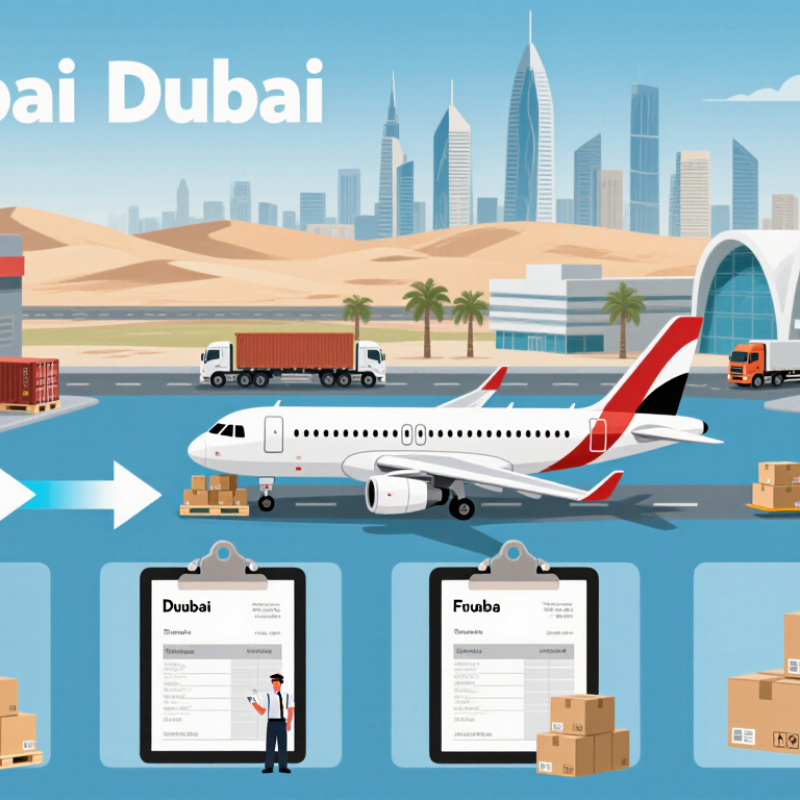
Understanding Dubai Airport Freezone Customs Rules for Chinese Shipments
Dubai Airport Freezone (DAFZ) is a customs-controlled free zone, not a shortcut around shipment paperwork. For Chinese shipments, decide whether goods will stay in DAFZ, move to mainland Dubai, or be re-exported. Each route requires the appropriate customs declaration and supporting records. Small details matter.
Prepare a commercial invoice, packing list, air waybill, and certificate of origin when required. Check that the HS code, declared origin, quantities, and invoice values match across documents. A mismatch can delay release while details are checked.
The UAE Ministry of Economy reported non-oil foreign trade of AED 3.5 trillion in 2023, underscoring the scale of cross-border movement. This figure is national, not specific to DAFZ. It is useful context, not a clearance forecast.
When goods move from DAFZ into the UAE mainland, import clearance is required, and applicable customs duties and taxes depend on current rules and the goods’ classification. Re-export and transit movements also need the correct declarations. A common planning gap is treating free-zone entry as if it completes later mainland formalities. It does not.
Confirm document requirements with Dubai Customs or a qualified customs professional before dispatch, especially when a shipment’s final destination may change.
Preparing Export and Import Documents for China–Dubai Trade
Preparing export and import documents for China–Dubai trade starts with consistent details. The commercial invoice should show the seller, buyer, currency, product description, quantity, and unit value. Keep the packing list aligned with it, including carton counts, weights, and dimensions. A small mismatch can delay a shipment while staff verify the records.
Check the air waybill against the final shipment details before dispatch. Product descriptions should be specific enough to support the assigned customs classification; vague wording can invite questions. A certificate of origin may be needed, depending on the goods and destination requirements. Some products also require additional approvals, so confirm current requirements with the relevant authorities or a qualified customs broker before shipping.
Details matter. Keep digital copies of signed documents, and use the same item names across forms. For example, “aluminium fittings” is clearer than “parts” when the invoice and packing list describe the same cartons. Requirements can vary by shipment, and a checklist may still miss a change. That is worth reviewing. Read every document once as a set, not as separate files, and resolve unclear quantities or values before the cargo leaves.
Choosing a Customs Broker for Dubai Airport Freezone Shipments
Choosing a customs broker for Dubai Airport Freezone shipments starts with clear, practical questions. Can the broker check invoices, packing lists, product descriptions, and tariff classifications before dispatch from China? Ask who handles customs declarations, document corrections, and coordination between the airport and free-zone warehouse. Small errors matter. A missing detail can delay cargo release or create extra handling costs.
Use independent performance data as context, not as a guarantee. The World Bank’s 2023 Logistics Performance Index gave the UAE a customs score of 4.0 out of 5. IATA reported that global air-cargo demand rose 11.3% in 2024, measured in cargo tonne-kilometres. Busy cargo flows make timely document checks and responsive communication especially valuable. Ask for a named operations contact and clear response times.
For a China-origin shipment, share draft documents before the goods leave and confirm that the broker’s process fits the shipment’s route and intended destination. Request a written list of required records, likely charges, and steps if details need correction. Compare brokers on demonstrated experience with air-freight and free-zone procedures, not on the lowest quoted fee alone. Keep expectations realistic. Even a careful broker cannot prevent every inspection or delay; ask how updates will be handled when plans change.
China Top Dubai Airport Freezone Customs Brokerage Guide: Choosing a Customs Broker for Dubai Airport Freezone Shipments
| Selection Dimension | What to Verify | Shipment Information or Documents | Questions to Ask a Prospective Broker | Practical Comparison Measure |
|---|---|---|---|---|
| Customs registration and authorization | Confirm that the broker is authorized to handle customs declarations for the relevant UAE customs process and can act for the importer or consignee with the required authorization. | Importer or consignee details, customs registration information, and a signed authorization where required. | Can you confirm the required customs registration, client authorization, and account setup before cargo arrives? | Record whether authorization and account setup are confirmed before the first shipment. |
| Dubai Airport Freezone shipment experience | Check experience with air cargo and the procedures relevant to shipments entering, moving within, or leaving Dubai Airport Freezone. | Air waybill, consignee details, cargo description, arrival information, and intended customs procedure. | Which Freezone shipment scenarios do you handle, and what information do you need before arrival? | Compare relevant process experience and the completeness of the pre-arrival checklist. |
| Customs procedure selection | Ensure the proposed declaration matches the shipment’s actual destination and status, such as Freezone entry, transfer to the UAE mainland, or re-export. | Delivery destination, sale or transfer details, consignee status, and supporting transport and commercial documents. | How will you confirm the correct declaration procedure before filing? | Look for a written explanation of the chosen procedure and any required approvals. |
| HS code and goods description | Check that the classification is based on the goods’ actual composition, function, and product specifications. A different classification can affect duty, restrictions, or permits. | Detailed invoice description, product specifications, material or composition details, and catalogue or technical information when relevant. | Will you flag incomplete descriptions or classification uncertainties before submitting the declaration? | Compare the quality of classification review and the clarity of any assumptions. |
| Document review | Agree on a document checklist and ensure that shipment details are consistent across the declaration and supporting records. | Typically, a commercial invoice, packing list, air waybill, and certificate of origin when applicable; permits or certificates may be required for controlled goods. | Who checks document consistency, and how are missing or conflicting details reported? | Measure document checks against an agreed pre-filing checklist. |
| Duty, VAT, and other charges | Request an itemized estimate. Customs duty depends on classification, customs value, origin, and the applicable procedure; import VAT and other charges may also apply. | Declared customs value, freight and insurance details where relevant, country of origin, HS code, and intended destination. | Can you show the assumptions behind the estimate and identify charges that are payable to authorities versus service fees? | Compare estimate transparency and whether assumptions and possible additional charges are stated. |
| Permits and regulated goods | Identify early whether the product is subject to approvals, restrictions, or additional documentation from the relevant UAE authority. | Product specifications, HS code, country of origin, intended use, and any existing permits or conformity documents. | Will you screen the goods for possible permit requirements before shipment dispatch? | Check whether regulatory screening is included and when the importer must provide approvals. |
| Air cargo coordination | Confirm how the broker coordinates declaration status and document handoffs with the importer, freight forwarder, and cargo handling parties. | Air waybill number, flight or arrival details, delivery instructions, and contact information for the relevant parties. | Who provides status updates, and how are delays or document holds escalated? | Agree on update frequency, escalation contacts, and the information included in each update. |
| Service fees and scope | Separate customs brokerage fees from duties, VAT, handling, storage, inspection, and other third-party charges. | Expected shipment count, cargo type, declaration type, and any special handling or permit needs. | Which services are included in the quote, and which events may create additional fees? | Compare itemized quotations on the same shipment scope and charge categories. |
| Records and post-clearance support | Agree how declaration copies, supporting documents, payment records, and correction requests will be handled and retained. | Final declaration details, commercial documents, payment records, and any correspondence about amendments or queries. | How will we obtain the filed declaration and supporting records, and who handles post-filing queries? | Confirm access to shipment records and a named contact for follow-up. |
Note: Customs procedures, document requirements, duty treatment, VAT treatment, and fees depend on the goods and the specific transaction. Confirm current requirements with the relevant UAE authorities and the appointed customs broker before dispatch or filing. Any service targets should be agreed in writing; they are not official customs processing guarantees.
Following the Customs Clearance Process Step by Step
Start by confirming whether the shipment will remain in the free zone or move to the UAE mainland. The destination affects the declaration and charges. Check the goods description, quantity, country of origin, and customs classification before preparing documents. Small details matter. A vague description such as “spare parts” may prompt questions; list the part type and intended use instead.
Prepare the commercial invoice, packing list, and air waybill, plus any origin or product documents required for that shipment. Make sure names, weights, and package counts match across every file. An authorized customs broker or importer can submit the declaration through the applicable customs system. Then comes review. Respond promptly if officials request clarification or an inspection. Once the declaration is approved and any applicable charges are settled, arrange release and coordinate collection with the warehouse or carrier. Keep the release record and shipment documents together. Even a neat file can miss a detail, so recheck the final package before submission. Customs requirements can vary by cargo and route; confirm current instructions with the relevant free zone and customs authorities.
Dubai Airport Freezone Customs Brokerage: Clearance Process Guide
Illustrative planning time by step (hours). Actual processing times vary depending on shipment details, document accuracy, customs requirements, and whether an inspection is required.
Planning estimates only—not official service times or guaranteed clearance durations. Confirm the applicable procedure and requirements for each shipment.
Managing Duties, Inspections, and Post-Clearance Compliance
For shipments moving from China to Dubai Airport Freezone, customs preparation begins before cargo arrives.
Match the commercial invoice, packing list, transport document, and product description carefully. Small errors matter. A vague description can trigger questions or delay a release. Keep quantities, values, country of origin, and tariff classifications consistent across documents.
Duty treatment depends on the goods, their customs status, and their intended destination.
Do not assume that a free-zone location automatically removes every charge. Ask a qualified broker to verify the applicable classification and requirements against current customs guidance.
Share product specifications early; a short description may not be enough to support a classification.
Inspections may involve document checks, scanning, or physical examination.
Clear labels and accessible packaging can make checks easier, but they cannot guarantee faster clearance. Keep records ready. After release, retain declarations, invoices, payment evidence, and correspondence in an organized file.
Authorities may request supporting documents during a later review. Set a calendar reminder to check retention periods and reconcile declared values with company records.
That extra check is easy to overlook, including by experienced teams.
FAQS
Decide whether the goods will stay in the zone, enter the UAE mainland, or be re-exported. Each route needs suitable customs declarations.
Prepare a commercial invoice, packing list, and air waybill. A certificate of origin may also be required, depending on the goods and destination.
Check product descriptions, quantities, values, declared origin, and shipment details. Even one carton count mismatch can delay review.
Use clear names that support customs classification. “Aluminium fittings” gives more useful detail than “parts.”
No. Goods moving into the UAE mainland require import clearance. Applicable duties and taxes depend on current rules and product classification.
Yes. Re-export and transit movements require the appropriate declarations and supporting records.
Check before dispatch. Some products need additional approvals, and a certificate of origin may depend on the shipment.
Keep digital copies and review the invoice, packing list, and air waybill together. Details matter. A checklist can still miss a late change.
Conclusion
This guide explains the key customs considerations for Chinese shipments moving through Dubai Airport Freezone. It outlines how to understand the applicable freezone procedures and prepare accurate export and import documents, including shipment details, invoices, and transport records. Careful preparation can help reduce delays and make each stage of the China–Dubai trade process easier to manage.
It also describes how to choose a qualified Dubai Airport Freezone Customs Brokerage provider, follow the clearance process step by step, and coordinate responses to document checks or inspections. Finally, the guide covers managing applicable duties and fees, keeping records, and meeting post-clearance requirements. By approaching each task in an organized way, businesses can improve visibility over their shipments and support smoother, more predictable customs clearance.

Blog Tags: