Logistics Intelligence & Updates
Expert insights, regulatory updates, and supply chain solutions from Dubai Cargo Village.
How to Choose UAE Customs Clearance Brokerage Services
Table of Contents
- Understanding UAE Customs Clearance Brokerage Services
- Checking Broker Licenses, Experience, and Service Coverage
- Comparing Customs Procedures, Technology, and Response Times
- Evaluating Fees, Documentation, and Additional Charges
- Selecting a Broker for Compliance, Reliability, and Long-Term Support
- FAQS
- Conclusion
- Related Posts
Choosing UAE Customs Clearance Brokerage Services is a commercial decision, not merely an administrative task. The right broker can reduce document errors, improve shipment visibility, and help goods move smoothly through busy ports such as Jebel Ali. Small delays become expensive. Storage charges, missed delivery windows, and unclear status updates can quickly affect cash flow.
The World Bank’s 2023 Logistics Performance Index ranked the United Arab Emirates seventh globally, with an overall score of 4.0 out of 5. Its customs score reached 3.7, showing a strong trade environment while leaving room for operational improvement. The report also highlights the importance of customs efficiency, digital systems, and reliable logistics partners. These findings support a practical evaluation of broker expertise, response times, technology, and local port knowledge. A broker should understand commercial invoices, packing lists, certificates of origin, HS classification, and shipment-specific requirements. Experience matters at the inspection desk.
The UAE Ministry of Economy reported that the country’s non-oil foreign trade reached approximately AED 2.6 trillion in 2023. This scale creates pressure for accurate, responsive clearance support. Before signing an agreement, importers should compare service scope, transparent fees, escalation procedures, and performance references. Ask how the broker handles missing documents or unexpected inspections. Reports are not guarantees. A well-known provider can still disappoint. The strongest choice combines verified experience, qualified staff, clear communication, and measurable service standards. This guide explains the practical questions businesses should ask before appointing a UAE customs clearance partner.
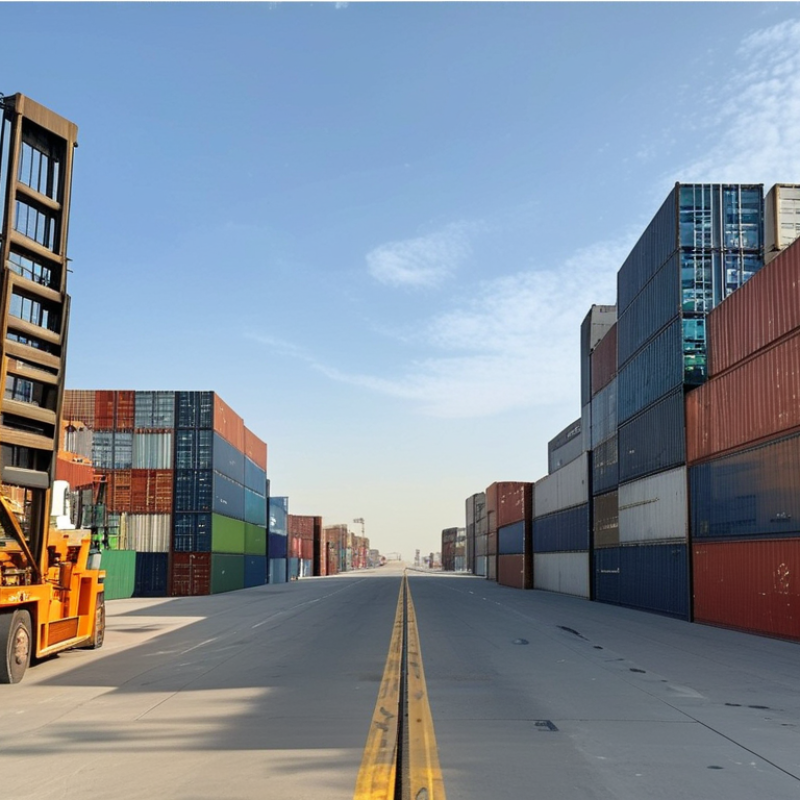
Understanding UAE Customs Clearance Brokerage Services
How to Choose UAE Customs Clearance Brokerage Services
Understanding UAE Customs Clearance Brokerage Services starts with process visibility. A reliable broker checks HS codes, invoices, packing lists, transport documents, and importer registration details. Requirements may differ between mainland ports and free zones. Ask how the broker handles document checks before cargo arrives. Small errors can create storage costs and delays.
The World Bank’s 2023 Logistics Performance Index ranked the UAE seventh globally, reflecting strong logistics capability and connectivity. However, efficient infrastructure does not remove shipment-level risks. The UNCTAD Review of Maritime Transport 2023 reports that over 80% of global merchandise trade moves by sea. That scale makes accurate customs data essential.
A capable brokerage team should explain duty calculations, inspection procedures, electronic filing, and expected release stages in plain English. It should also provide a clear escalation process when authorities request clarification.
No broker is flawless. A useful question is, “What happens when a declaration needs correction?”
Transparent answers reveal more than low service fees. Review response times, compliance experience, written quotations, and post-clearance support before choosing a provider. Verify current requirements with the relevant UAE customs authority, because regulations and digital procedures can change.
Checking Broker Licenses, Experience, and Service Coverage
Choosing a UAE customs clearance broker starts with licensing, not promises. Verify the broker’s active customs registration and authorized representatives through the relevant UAE customs authority. Ask for written evidence, renewal dates, and the exact ports or emirates covered. A valid license matters because customs declarations require controlled access, accurate classification, and accountable communication.
Experience should match your shipment profile. A broker handling air cargo may lack practical knowledge of sea containers, bonded movements, or free-zone transfers. Request anonymized examples involving similar goods, entry points, and document requirements. The World Bank’s 2023 Logistics Performance Index ranked the UAE seventh among 139 economies, showing a strong logistics environment. That performance still depends on careful local execution. Small errors can delay a truck at the gate.
Service coverage deserves close testing. Confirm whether the broker supports customs declarations, duty calculations, inspection coordination, re-exports, and post-clearance records. UNCTAD reports that maritime transport carries over 80% of global merchandise trade by volume, so port capability is not a minor detail. Ask who answers after office hours. Ask how updates are recorded. I would also test one shipment before signing a long contract. A polished proposal can hide weak field support. Coverage on paper is not coverage in practice.
Comparing Customs Procedures, Technology, and Response Times
How to Choose UAE Customs Clearance Brokerage Services
Comparing Customs Procedures, Technology, and Response Times
A capable UAE customs clearance broker should explain each procedure before requesting documents. In practice, this includes checking commercial invoices, packing lists, HS codes, origin details, and required permits. Clear guidance reduces delays caused by mismatched quantities or incomplete descriptions. Ask how the broker handles inspections, duty calculations, and customs queries. Their answers should be specific, not merely reassuring.
Technology can show whether a broker works systematically. Look for secure document uploads, shipment status updates, electronic declarations, and time-stamped communication. A useful dashboard should show what is missing and who must act. However, digital tools are not enough. I have seen well-designed systems fail when staff ignored an urgent customs message. Human review still matters, especially for unusual cargo descriptions or changing requirements.
Response time deserves a practical test. Send a sample shipment profile and measure how quickly the broker identifies risks, requests documents, and explains possible timelines. Ask about coverage outside normal office hours. A reliable team should separate submission time from customs approval time, because authorities control the final release. Be cautious with guaranteed clearance promises. They often hide important conditions. One weakness remains easy to miss: some brokers respond quickly but provide shallow answers. Test both speed and accuracy before assigning regular shipments.
Evaluating Fees, Documentation, and Additional Charges
Choosing a UAE customs clearance broker requires more than comparing the advertised service fee. The World Bank’s 2023 Logistics Performance Index evaluates 139 economies through customs efficiency, infrastructure, and shipment reliability. These measures show why process quality can affect total landed cost. A low headline fee may hide disbursement charges, inspection fees, storage, demurrage, amendments, and delivery costs.
Ask for an itemised quotation before appointing a broker. It should separate the clearance fee from applicable customs duty, VAT, terminal costs, and government charges. Confirm whether duty and VAT are calculated from the correct customs value and tariff classification. Prepare the commercial invoice, packing list, bill of lading or airway bill, certificate of origin, and any required product permits. The OECD’s Trade Facilitation Indicators report estimates that stronger border procedures can reduce trade costs by up to 17% in developing economies. Documentation accuracy is not a minor detail.
Tips: Request three written quotations. Ask which charges are fixed and which are pass-through costs. Check the broker’s escalation process for inspections or missing documents. Keep email evidence. In practice, one overlooked storage clause can exceed the original brokerage fee. That is easy to underestimate. Review the final invoice against the quotation, even when the clearance appears routine. Mistakes happen, and a reliable broker should explain them clearly rather than simply reissue a higher bill.
How to Choose UAE Customs Clearance Brokerage Services
Estimated cost impact for a hypothetical AED 10,000 import shipment. The calculation uses the UAE's commonly applied 5% customs duty and 5% VAT rates. Brokerage and handling charges are variable market estimates and should be confirmed in the written quotation.
Selecting a Broker for Compliance, Reliability, and Long-Term Support
Choosing UAE customs clearance brokerage services requires more than a fast quote. A capable broker should understand import documentation, HS classification, country-of-origin rules, duty, VAT, and procedures across ports and free zones. Ask who checks commercial invoices, packing lists, certificates, and permits before submission. The answers reveal process quality. Request evidence of current authorization, trained staff, and relevant shipment experience. A polished website is not proof.
Reliability appears during ordinary pressure: a document mismatch, an amended invoice, or a container held for clarification. Ask how the broker communicates, who owns escalation, and when updates arrive. Strong providers use checklists, shipment trackers, and written approvals. They explain risks in plain language instead of promising instant release. Test this before signing. Send a sample shipment profile and compare the response. Fast replies can still hide weak judgment.
Long-term support should include periodic classification reviews, record retention, audit preparation, and guidance when your supply chain changes. Confirm fees, response times, and responsibility for corrections in writing. One practical concern is staff turnover; your contact may disappear after onboarding. Ask for backup coverage. No broker is flawless. I have seen small assumptions create expensive delays. That is why quarterly reviews matter, even when shipments seem routine. A useful broker challenges incomplete documents and keeps a clear trail of decisions.
FAQS
The broker should review invoices, packing lists, HS codes, origin details, and transport documents. Importer registration details may also matter. Small description errors can create storage charges and delays.
Yes, procedures may differ by location and shipment type. Ask the broker to explain the exact requirements for your destination. Do not assume one checklist fits every shipment.
The broker should explain duty calculations, electronic filing, inspections, and expected release stages. The explanation should use plain English. Ask for written cost details.
Useful tools include secure document uploads, shipment updates, electronic declarations, and time-stamped messages. A dashboard should show missing documents and the person responsible. Technology helps. It does not replace careful staff review.
Send a sample shipment profile with quantities, descriptions, and destination details. Measure how quickly the broker identifies risks and requests documents. Also test the accuracy of the reply, not only its speed.
Be cautious with guaranteed clearance promises. Customs authorities control final approval, not the broker. A responsible broker separates submission time from official release time.
Ask the broker to describe its correction and escalation process. The team should identify the error, explain the remedy, and track the updated submission. No broker is flawless. Transparent handling matters more than perfect claims.
It can matter when customs messages arrive near weekends or public holidays. Ask who monitors urgent requests and how quickly they respond. Fast replies can still be shallow. Test the details.
Conclusion
Choosing the right UAE Customs Clearance Brokerage Services is essential for ensuring smooth, timely, and compliant movement of goods through the UAE. Start by understanding the broker’s role, including document preparation, customs declarations, duty assessment, shipment coordination, and communication with relevant authorities. Verify that the broker holds the required licenses, has practical experience with your product categories and shipping routes, and offers suitable coverage across ports, airports, and land borders.
When comparing providers, consider how clearly they explain customs procedures, whether they use reliable digital tools for tracking and documentation, and how quickly they respond to questions or shipment issues. Request a detailed fee structure that separates service charges, government duties, storage costs, inspection fees, and any possible additional expenses. A dependable broker should maintain accurate records, provide proactive updates, protect confidential information, and help prevent avoidable delays. Ultimately, select a partner that demonstrates strong compliance practices, transparent communication, consistent performance, and the capacity to support your business as shipment volumes and operational needs grow.

Blog Tags: