UKF Insights & Industry Blog

Logistics Intelligence & Updates

Expert insights, regulatory updates, and supply chain solutions from Dubai Cargo Village.

0%

Pharmaceutical Cold Chain Logistics Dubai is becoming a critical focus for manufacturers, distributors, hospitals, and specialty pharmacies. Dubai connects major production regions with markets across the Middle East, Africa, and Asia. Its airport infrastructure is impressive. However, heat, humidity, airside delays, and strict product requirements create real operational pressure.

Dr. Tedros Adhanom Ghebreyesus, Director-General of the World Health Organization, stated, “No one is safe until everyone is safe.” That principle also applies to temperature-sensitive medicines. A biologic shipment may travel through a validated warehouse, aircraft terminal, customs area, and final-mile vehicle within one journey. Each transfer matters. One weak handoff can threaten product quality.

Strong Pharmaceutical Cold Chain Logistics Dubai requires qualified packaging, calibrated data loggers, continuous monitoring, and documented contingency plans. Products may need controlled conditions from 2°C to 8°C. Others require frozen or ultra-low-temperature environments. Small details matter, including preconditioned gel packs, shaded loading bays, and alarm response times.

Compliance cannot be treated as paperwork alone. It must guide daily decisions. Experienced providers should demonstrate GDP-aligned procedures, trained personnel, lane-risk assessments, and clear temperature excursion protocols. Yet no system is perfect. Sensors can fail. Flights can change. Human judgment remains important.

This guide examines the leading logistics capabilities shaping Dubai’s pharmaceutical cold chain in 2026. It compares infrastructure, handling expertise, technology, reliability, and service transparency. The strongest provider is not always the largest. Sometimes, consistent execution matters more.
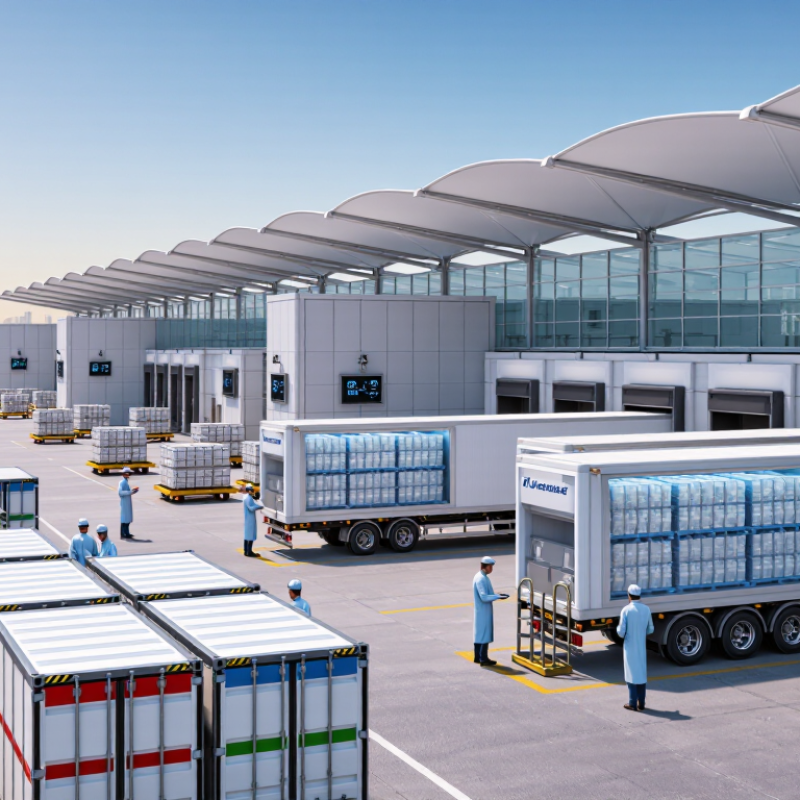
2026 Top Pharmaceutical Cold Chain Logistics Dubai?

Pharmaceutical Cold Chain Logistics in Dubai: Definition and Scope

Pharmaceutical Cold Chain Logistics in Dubai: Definition and Scope

Pharmaceutical cold chain logistics protects medicines from temperature damage during storage and transport. In Dubai, this scope includes import handling, airport transfer, customs coordination, warehouse storage, and final delivery. Products may require 2–8°C, controlled room temperature, or frozen conditions. Each range needs documented controls.

Dubai’s heat makes passive packaging, refrigerated vehicles, and monitored loading areas essential. Temperature sensors should record conditions continuously, not only at dispatch and receipt. The World Health Organization reports that up to 50% of vaccines may be wasted globally because of temperature, logistics, and handling failures. WHO Technical Report Series No. 961 also emphasizes qualified equipment, calibrated monitoring, and written procedures.

The International Air Transport Association’s Temperature Control Regulations 2025 highlights packaging qualification, handling labels, and exposure management. In practice, a shipment may move from a chilled warehouse to an airport apron within minutes. That short exposure can still matter. A clear handover record is therefore as important as the vehicle.

Dubai’s cold chain should also include contingency planning. Backup power, alternate storage, and escalation contacts reduce disruption during heatwaves or equipment faults. The model is not flawless. Data gaps can still appear during customs delays or manual transfers. Operators need regular lane reviews, temperature mapping, staff training, and deviation investigations. Small details decide product integrity.

Key Temperature-Controlled Requirements for Pharmaceutical Shipments

2026 Top Pharmaceutical Cold Chain Logistics Dubai?

Key Temperature-Controlled Requirements for Pharmaceutical Shipments

Pharmaceutical shipments through Dubai require a lane-specific temperature plan, not merely a refrigerated vehicle. WHO Technical Report Series 961 recommends documented storage conditions, calibrated monitoring, and temperature mapping for pharmaceutical facilities. Common profiles include 2–8°C, controlled room temperature at 15–25°C, and frozen transport below −20°C. Some biological products need even colder conditions.

Dubai adds serious heat exposure. The UAE National Center of Meteorology reports summer temperatures above 45°C in several regions. A carton waiting beside an aircraft can lose thermal protection quickly. Qualified passive packaging, preconditioning, thermal blankets, and shaded handovers therefore matter. IATA Temperature Control Regulations also emphasize clear shipment labels, acceptance checks, and contingency procedures.

Small gaps become expensive.

Data loggers should record the product zone, not only the truck’s air temperature. Alarm limits need written escalation steps, including quarantine decisions and documented release approval. WHO has reported that up to 50% of vaccines may be wasted globally, with temperature control among the contributing risks. That figure is a warning, not a Dubai-specific forecast. The weak point is often the handover. A good plan can still fail when a scan is missed, a door remains open, or responsibility becomes unclear.

Dubai’s Cold Chain Infrastructure, Facilities, and Transport Networks

Dubai’s pharmaceutical cold chain depends on coordinated facilities, not refrigeration alone.

Dubai Airports’ 2024 traffic report recorded more than 1.8 million tonnes of air freight through DXB. This volume supports specialized pharmaceutical handling near airport cargo terminals. Temperature-controlled rooms, rapid transfer zones, and backup power reduce exposure during aircraft-to-truck movements. The World Health Organization recommends documented temperature control throughout storage and distribution. For many medicines, that means maintaining a stable 2°C to 8°C range.

Dubai’s road network links airport facilities with seaports, free zones, hospitals, and regional distribution centers. Refrigerated vehicles can move consignments toward Jebel Ali and northern emirates within scheduled delivery windows. However, summer heat remains a serious operational risk. A vehicle door opened for two minutes can create a local temperature spike. Data loggers, calibrated sensors, route mapping, and trained drivers provide practical safeguards. IATA’s 2024 Air Cargo Market Analysis reported global air cargo demand growth of 11.3%, increasing pressure on airport capacity and handling precision.

Tips:
Use pre-cooled vehicles, dual temperature records, and validated loading procedures. Keep contingency storage available during traffic delays or equipment failure. The weak point is often handover discipline, not warehouse technology. A missing scan or delayed alarm can undermine an otherwise compliant shipment. Dubai’s infrastructure is strong, but performance still depends on people, timing, and honest review of near-misses.

Regulatory Standards and Compliance for Pharmaceutical Logistics

In 2026, pharmaceutical cold chain logistics in Dubai will depend on disciplined regulatory control, not speed alone. Dubai-bound medicines should follow Good Distribution Practice principles and applicable UAE health authority requirements. Import documentation, product registration, batch details, and authorized-party records must remain accurate and traceable.

Temperature protection begins before arrival. Most refrigerated medicines require a controlled range of 2°C to 8°C, while some products need frozen or room-temperature conditions. Validated packaging, calibrated data loggers, and qualified storage areas provide essential evidence. At the airport, trained staff should inspect seals, record handover times, and move shipments quickly into monitored facilities. Small delays matter.

Clear accountability matters more. Each transfer needs a named person, timestamp, location, and temperature record. Deviations should trigger documented investigations, risk assessment, and corrective action under an established quality system. Dubai’s heat makes loading-dock exposure a practical concern, even during short transfers. Can a written procedure protect a pallet in direct sunlight? Not always.

Reliable operators also maintain staff training records, emergency plans, equipment maintenance logs, and regular lane qualification reviews. Customs clearance and health authority communication should be coordinated before dispatch, not improvised after a delay. Digital tracking improves visibility, but it does not replace physical checks. A perfect dashboard may still hide a poorly closed vehicle door. Reflection is necessary: every excursion, missing signature, or delayed scan should be treated as a lesson, not merely an administrative nuisance.

Emerging Trends in Dubai’s Pharmaceutical Cold Chain in 2026

Dubai’s pharmaceutical cold chain will become more data-led in 2026. Warehouses are expected to connect temperature sensors with live shipment dashboards. These systems can flag a rising temperature before products leave a controlled zone. That matters during summer loading, when outdoor heat can exceed 45°C. Insulated transfer rooms and shorter dock exposure will receive greater attention. Small delays still create large risks.

Predictive planning will also shape daily operations. Logistics teams can compare lane history, flight schedules, customs timing, and seasonal heat patterns. They may then choose packaging and transport routes more carefully. Passive containers with phase-change materials can support stable conditions during airport transfers. However, digital alerts are not enough. Staff must understand calibration, alarm response, and documented corrective action. Human judgment remains essential.

Dubai’s facilities will likely strengthen GDP-based procedures and electronic traceability. Each handover should show location, time, temperature, and responsible personnel. This creates clearer evidence during quality reviews. More operators may use automated storage and energy-efficient cooling, especially as sustainability pressure grows. Yet automation has weaknesses. Sensors can fail, data can be delayed, and software can produce false confidence. Regular physical checks and trained teams will remain necessary. The cold chain is improving, but it is not flawless.

FAQS

What does pharmaceutical cold chain logistics include in Dubai?

It covers import handling, customs coordination, airport transfers, storage, and final delivery. Each stage needs temperature control and traceable records.

Which temperature ranges commonly apply to medicines?

Refrigerated products often require 2–8°C. Others need frozen or controlled room-temperature conditions. The correct range must come from product requirements.

Why is Dubai’s climate a major cold chain concern?

Outdoor temperatures can exceed 45°C during summer. A few minutes on an exposed loading area may affect product quality. Small delays matter.

What equipment helps protect temperature-sensitive shipments?

Validated insulated packaging, refrigerated vehicles, calibrated sensors, and monitored storage areas are essential. Backup power supports operations during equipment failure.

What should staff record during each shipment handover?

Records should include the location, time, temperature, shipment condition, and responsible person. Seal checks and transfer times also need documentation.

How should companies manage customs delays or temperature deviations?

They should use escalation contacts, alternate storage, and written emergency procedures. A deviation requires investigation, risk assessment, and corrective action. Not every alert means damage, but ignoring one is risky.

Can digital tracking replace physical inspections?

No. Live dashboards can show temperature changes and delayed scans. Staff must still check doors, seals, packaging, and sensor condition. Software can create false confidence.

What trends may shape Dubai’s pharmaceutical cold chain in 2026?

Facilities may use connected sensors, predictive route planning, automated storage, and energy-efficient cooling. These tools can improve visibility. They cannot replace trained judgment.

Why are regular lane reviews and staff training important?

Transport routes change with heat, flight schedules, and customs timing. Reviews reveal weak handovers or repeated delays. Training helps staff respond before a small problem becomes a product loss. The system is improving, not perfect.

Conclusion

Pharmaceutical Cold Chain Logistics Dubai refers to the temperature-controlled storage, handling, and transportation of medicines, vaccines, biologics, and other sensitive healthcare products throughout Dubai. This system requires precise temperature monitoring, validated packaging, reliable refrigeration, controlled loading procedures, and rapid response plans to protect product quality from origin to final delivery. Dubai’s advanced logistics infrastructure, including specialized facilities, airport connections, road networks, and distribution centers, supports efficient movement across local and regional markets.

The sector must follow strict pharmaceutical handling standards, including documented procedures, equipment qualification, shipment tracking, staff training, and accurate recordkeeping. Regulatory compliance is essential to maintain product safety and preserve the integrity of the supply chain. In 2026, emerging developments are expected to include smarter monitoring devices, improved data visibility, energy-efficient cold storage, automated warehouse processes, and stronger risk management. Together, these advancements will make Dubai’s pharmaceutical cold chain more reliable, responsive, sustainable, and prepared for the growing demand for temperature-sensitive healthcare products.

Julian

Julian

Julian is a professional marketing specialist dedicated to helping businesses understand products, markets, and customer needs with greater clarity. With extensive knowledge of the company’s solutions, he regularly contributes expert articles to the company website, sharing practical insights,......
Chat with us