Featured Perishable Air Cargo & DDP Freight Solutions
Direct factory logistics, CE-certified temperature-controlled handling, and end-to-end door-to-door air freight services for global food trade corridors.

China Forwarding Agent Air Freight Air Shipping Door to Door Delivery Ddp Transportation Service From China to South Africa

Cheapest Air Sea DDP LCL International Logistics Service Top 10 China to USA UK Canada Express Freight Forwarder Shipping Agent
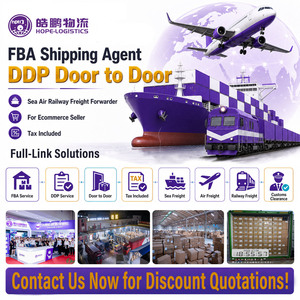
Lcl Global Delivery Quote Door to Door Service International Forwarding Services Sea Air DDP Fright Agent Freight Forwarder

Fast Cheap Sea Air Shipping Agent DDP Logistic Services China to USA UK Canada FR IT DE LCL FCL Express FBA Freight Forwarder

Professional Logistics Shipping Agent Sea/air/Express Freight Forwarder From China to USA EU UK CANADA Worldwide

Cheapest Air Sea Shipping Agent LCL Express Agent Dropshipping International Express Freight Forwarder To USA Canada Australia

Global Express UPS DHL FedEx Door-to-Door Freight Forwarder Sea and Air Shipping Agent From China to Costa Rica

Cargo Shipping Agent International Freight Forwarder China To USA Canada Europe UAE Express Delivery DDP Door To Door Shipping
1. Executive Summary: The Technical Architecture of CE Certified Perishable Food Air Cargo Equipment
In global supply chain engineering, transporting high-value perishable foodstuffs—such as fresh Norwegian salmon, wagyu beef, premium berries, live seafood, and biological dairy products—demands absolute thermal integrity from origin factory to destination cargo apron. When sourcing from CE Certified Perishable Food Air Cargo Manufacturers & Factory hubs, enterprise procurement officers and supply chain directors must evaluate assets beyond basic volumetric capacity. CE certification in cold-chain air transportation validates compliance with stringent European Union health, safety, thermal retention, and structural pressure standards under EN 12830, IATA Perishable Cargo Regulations (PCR), and EU Regulation (EC) No 178/2002.
Maintaining an unbroken cold chain during intermodal transfers (ramp handling, airport tarmac exposure, high-altitude cabin pressure differentials, and customs hold periods) requires state-of-the-art active and passive Unit Load Devices (ULDs), specialized thermal pallet shippers, and certified air freight operations. A single thermal excursion above critical limits (+2°C to +8°C for chilled proteins; -20°C for frozen commodities) leads to irreversible biochemical degradation, bacterial proliferation, shelf-life reduction, and catastrophic financial loss.
Information Gain Insight: Modern CE-certified perishable air cargo systems incorporate Phase Change Material (PCM) technology combined with Vacuum Insulation Panels (VIP). This hybrid insulation achieves thermal performance rates 400% higher than traditional expanded polystyrene (EPS) containers, preserving cargo integrity during tarmac delays up to 72 hours without external power.
2. Technical Specifications & CE Regulatory Framework for Air Cargo Containment
Engineering perishable food air cargo equipment requires strict adherence to international aviation safety regulations and food hygiene legislation. Manufacturing facilities must produce containers that withstand severe aerodynamic vibration, G-force accelerations, rapid decompression, and extreme ambient temperature fluctuations ranging from -40°C during flight to +55°C on desert tarmac aprons.
Core Regulatory Standards for Manufacturers
- CE Marking (Machinery Directive 2006/42/EC & EMC Directive 2014/30/EU): Mandatory for active refrigerated air cargo containers (equipped with compressor units, battery management systems, and electronic sensors) ensuring zero electromagnetic interference with aircraft avionics.
- IATA Perishable Cargo Regulations (PCR) Chapter 6: Standardized classification of food commodities, packaging durability, temperature tolerance zones, and labeling protocols.
- ATP Certification (Agreement on the International Carriage of Perishable Foodstuffs): Rigorous thermal testing verifying coefficient of heat transfer (K-value) below 0.40 W/m²K for heavy-insulated equipment.
- HACCP & ISO 22000 Compliance: Food-grade antimicrobial interior liners, non-porous stainless steel or composite construction preventing cross-contamination and facilitating sanitization.
Active Compressor Systems
Integrated lithium-ion battery powered cooling/heating units maintaining precise internal setpoints (+2°C to +8°C or -20°C) without dry ice requirement.
Vacuum Insulation Panels (VIP)
Nanoporous core encapsulated in multi-layer barrier film providing ultra-low thermal conductivity (0.004 W/mK) to maximize volumetric efficiency.
IoT Data Logging & Telematics
Real-time GPS tracking, internal temperature monitoring, humidity control, shock sensors, and door-open alert telemetry synced to cloud dashboards.
3. Product Breakdown & Thermal Engineering Comparison Table
Selecting the correct cold-chain containment matrix depends heavily on shipment distance, transit time, commodity respiration rates, and local infrastructure capabilities. Below is an engineering comparison of CE-certified perishable air cargo containment solutions manufactured for international B2B procurement:
| Equipment Category | Temperature Range | Autonomy Duration | Primary Target Commodities | CE & Aviation Certification |
|---|---|---|---|---|
| Active RKN Air Cargo ULD | +2°C to +25°C | 100+ Hours (Rechargeable) | Pharmaceuticals, Dairy, Fresh Meat, Berries | CE, EASA, FAA, IATA PCR |
| Active RAP Frozen Container | -20°C to +10°C | 90+ Hours (Dual Compressor) | Frozen Seafood, Tuna Loin, Ice Cream, Vaccines | CE Directive 2006/42/EC, ISO 1496 |
| Passive VIP Pallet Shipper | -25°C to +20°C (PCM based) | 72 to 120 Hours (Autonomous) | High-Value Caviar, Salmon Fillets, Fresh Truffles | CE Food Contact (EU 1935/2004) |
| Thermal Pallet Covers (Multi-layer) | +15°C to +25°C (Controlled Ambient) | 12 to 24 Hours (Tarmac Shield) | Tropical Fruits, Vegetables, Cut Flowers, Chocolate | EN 12830 Temperature Tracking |
4. Corporate Strengths & Factory Infrastructure: Operational Excellence at Dubai Cargo Village
Enterprise buyers seeking reliable CE Certified Perishable Food Air Cargo Manufacturers & Factory partners require more than raw manufacturing output; they demand end-to-end operational execution. Operating from Office No. 2056-A, First Floor, Entrance No. 4, Dubai Cargo Village since 2008, UKF Sea & Air Cargo Services LLC represents the apex of air freight handling, customs clearance, and cold-chain supply chain management.
5. Strategic Sourcing & Procurement Trends (2026–2030)
As global perishables trade expands driven by e-commerce fresh food delivery, rising middle-class consumer demand in Asia-Pacific and the GCC, and unpredictable geopolitical routing disruptions (e.g., Red Sea maritime rerouting), procurement strategies are undergoing fundamental shifts:
A. Migration from Ocean Freight to Sea-Air Hybrid Corridors
Maritime delays have forced fresh food exporters to adopt hybrid Sea-Air logistics. For example, cargo originating in Southeast Asia is shipped via ocean container to Jebel Ali Port (Dubai), where it undergoes rapid customs transfer to Dubai Cargo Village before flying via express air freight to Europe or North America. This cuts transit times by 60% compared to full ocean voyages while reducing carbon footprint and cost by 40% compared to pure direct air freight.
B. Adoption of Smart IoT-Connected CE Packaging
Buyers are no longer satisfied with static temperature loggers retrieved after arrival. 2026 procurement standards mandate active 5G/satellite IoT sensors embedded directly into CE-certified air cargo containers. These sensors transmit real-time telemetry regarding internal temperature, humidity, atmospheric pressure, light exposure (indicating illicit opening), and spatial GPS location directly to insurance underwriters and supply chain command centers.
C. Sustainable & Carbon-Neutral Thermal Insulation
ESG directives in Europe and North America are forcing manufacturers to move away from single-use EPS foam. Advanced factories now manufacture CE-certified reusable active units built with recyclable aluminum alloy shells, bio-based Phase Change Materials, and vacuum panels that provide 5+ years of operational service life, drastically lowering total cost of ownership (TCO) and Scope 3 carbon emissions.
6. Frequently Asked Questions (FAQ) for B2B Perishable Cargo Procurement
What distinguishes a CE-certified perishable air cargo container from standard freight boxes?
CE certification ensures that active temperature-controlled air cargo containers comply with EU electrical safety, electromagnetic compatibility (EMC), and machinery safety directives (2006/42/EC). This guarantees that the unit's cooling compressors, lithium-ion battery banks, and sensors will not emit electromagnetic signals that interfere with aircraft navigation avionics during flight, while maintaining certified thermal performance under ambient extremes.
How do active and passive thermal systems compare for long-haul air freight?
Active containers feature mechanical refrigeration units powered by internal batteries or aircraft power feeds, offering precise temperature control (+2°C to +8°C or -20°C) for unlimited duration as long as charged. Passive systems utilize Phase Change Materials (PCMs) and Vacuum Insulation Panels (VIPs) to absorb heat without mechanical power for up to 120 hours. Active systems are ideal for high-volume bulk commodities, while passive systems are cost-effective for medium payloads or routes lacking airport battery charging infrastructure.
What documentation is required for exporting perishable food under DDP terms from factory to overseas client?
Delivered Duty Paid (DDP) perishable air freight requires a complete documentation binder including: Air Waybill (AWB), Commercial Invoice, Detailed Packing List, Country of Origin Certificate, Phytosanitary or Health Certificate issued by agricultural authorities, HACCP compliance statement, and destination customs entry permits. UKF Services conducts pre-clearance audits on all documentation prior to flight departure to guarantee zero clearance delays upon arrival.
How does your Dubai Cargo Village hub handle emergency tarmac delays or flight cancellations?
Operating inside Office 2056-A at Dubai Cargo Village, our team has immediate access to bonded temperature-controlled airport cold rooms (+2°C to +8°C and -20°C deep freeze). If an aircraft experiences a technical grounding or delay, cargo is immediately retrieved from the tarmac apron and stored in climate-controlled facilities within 45 minutes, preserving the thermal envelope until the next available flight segment.
Can you handle certified Halal fresh food transportation across international transit points?
Yes. UKF Services maintains certified Halal freight forwarding operations compliant with GSO 2055-2 standards. We enforce complete physical separation of Halal-certified food products from non-Halal cargo, utilize dedicated food-grade sanitization protocols for all air cargo ULDs, and provide certified tracking documentation required by Gulf Cooperation Council (GCC) and Southeast Asian customs authorities.
Request Factory Specifications & Air Cargo Catalog
Connect directly with our senior thermal logistics engineering team at Dubai Cargo Village for custom OEM manufacturing specs, active ULD quotes, and wholesale air freight freight rates.