Engineered Cold Chain Fleet & Storage Infrastructure
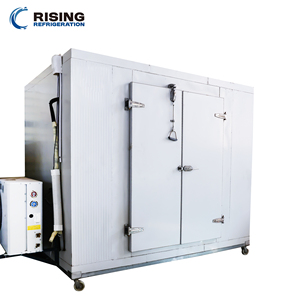
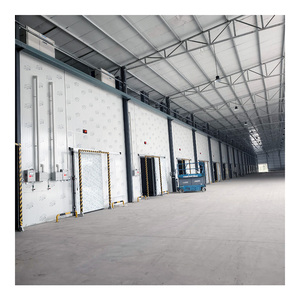
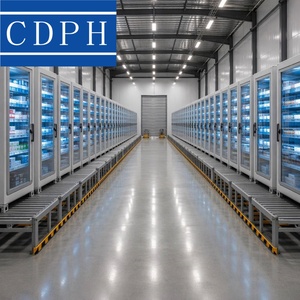
Explore our flagship series of heavy-duty refrigerated containers, high-density automated racking systems, modular cold storage buildings, and smart last-mile parcel lockers.
1. Strategic Outlook: Navigating the Global Cold Chain Logistics Ecosystem
The global demand for uninterrupted, temperature-controlled supply chains has entered a transformative era. Driven by strict regulatory frameworks surrounding pharmaceutical cold chains (biologics, vaccines, and cell therapies), alongside surging global trade in fresh agricultural commodities, seafood, and quick-commerce frozen foods, enterprise procurement teams are re-evaluating their capital equipment strategies. Selecting a top China cold chain logistics management supplier is no longer merely an exercise in sourcing low-cost refrigeration hardware; it is a long-term strategic decision centered on thermal efficiency, structural integrity, IoT telematics integration, and lifecycle operational expenditure (OPEX) minimization.
Modern thermal logistics management demands multi-temperature control systems capable of maintaining precise environmental thresholds across diverse climatic zones—from harsh desert environments in the Middle East to humid equatorial corridors across Southeast Asia. China’s manufacturing ecosystem has evolved into a premier hub for world-class industrial refrigeration systems, combining European engineering partnerships (such as Bitzer and Copeland Emerson compressor integration) with high-density automated racking (AS/RS) and prefabricated modular construction.
Core Architectural & Mechanical Modules
High-performance cold chain logistics management relies on three structural pillars: high-efficiency thermodynamics, automated space utilization, and last-mile thermal stability.
Tier-1 Compressor Integration
Equipped with industry-leading Copeland Emerson scroll compressors and Bitzer semi-hermetic screw units, guaranteeing maximum cooling efficiency, low noise emissions, and exceptional longevity under continuous duty cycles.
High-Density AS/RS Racking
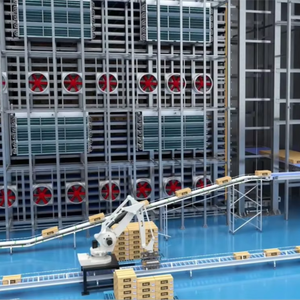
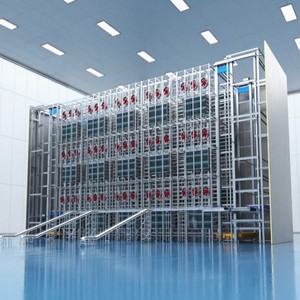
Maximize volumetric storage efficiency by up to 85% compared to traditional selective racking. Integrated radio shuttle carts and automated stacker cranes operate seamlessly at sub-zero temperatures down to -30°C.
Zero-Bridge PIR Modular Panels
Prefabricated polyisocyanurate (PIR) and polyurethane (PU) sandwich panels featuring cam-lock interlocking joints, B1/B2 fire ratings, and thermal conductivity as low as 0.022 W/(m·K) to eliminate thermal bridging.
2. Future Sourcing Trends in Cold Chain Logistics (2026–2030)
As global cold chain operations scale to meet international safety and sustainability mandates, global procurement directors must position their supply chains to adopt key emerging technologies:
A. Transition to Low-GWP and Natural Refrigerants
With global phase-downs of hydrofluorocarbons (HFCs) under the Kigali Amendment, leading Chinese cold chain manufacturers are pioneering the integration of R290 (Propane), CO2 (R744) cascade systems, and R448A/R449A low-Global Warming Potential alternatives. System designs now prioritize zero Ozone Depletion Potential (ODP) without sacrificing refrigeration ton capacity.
B. Dynamic Telematics and Autonomous Fleet Integration
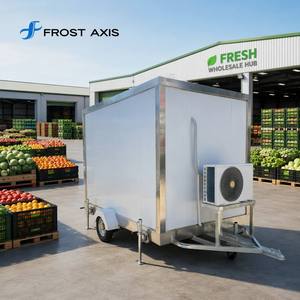
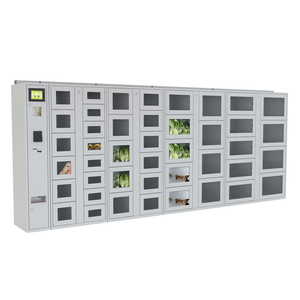
Mobile walk-in chillers, refrigerated container trailers, and last-mile smart parcel lockers are now natively manufactured with IoT sensor arrays. These systems stream real-time temperature, humidity, door-opening telemetry, and compressor vibration metrics straight to cloud-based logistics execution management platforms, empowering predictive maintenance and automated HACCP compliance logging.
C. High-Density Automation & Deep-Freeze AS/RS
Labor shortages and extreme thermal operational environments make human labor in -25°C blast freezers increasingly impractical. Future warehouse developments rely on fully automated pallet racking, cold storage shuttles, and self-guided AGVs engineered with cold-resistant lubricants, IP67 electrical enclosures, and thermal heating elements on sensors to prevent frost accumulation.
| Technology Category | Legacy Infrastructure | Next-Gen China Supplier Solution | Operational ROI Impact |
|---|---|---|---|
| Refrigeration Units | Standard ON/OFF Piston Compressors | Inverter Scroll / Bitzer Screw with Copeland CE | 28% Reduction in Power Consumption |
| Insulated Envelope | Basic EPS Panels (Thermal Leakage) | High-Density PIR Cam-Lock Interlocking Panels | Eliminates Moisture Ingress & Frost Heave |
| Warehouse Racking | Manual Selective Pallet Racking | Automated High-Density Shuttle & AS/RS Racking | +80% Storage Volume per Sq. Meter |
| Last-Mile Delivery | Passive Ice-Pack Cooler Boxes | Smart IoT Refrigerated Cabinet Locker Systems | 100% Thermal Log Traceability & 24/7 Access |
3. Deep Engineering Analysis: Structural Steel & Thermodynamic Design
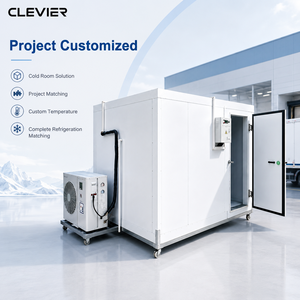
Enterprise buyers acquiring large-scale industrial refrigerated warehouses or mobile cold room containers must scrutinize structural steel performance and heat exchange calculations. China's top tier cold chain suppliers utilize advanced finite element analysis (FEA) to design steel structures capable of supporting heavy overhead evaporator units, high wind load profiles, and seismic stresses.
Key Technical Specifications to Evaluate:
- Structural Steel Framework: Heavy-duty Q235B and Q345B hot-dip galvanized steel framing, offering superior corrosion resistance in high-humidity ambient environments.
- Compressor Reliability: Utilization of Copeland Emerson scroll technology featuring internal pressure relief mechanisms, thermal disc protection, and precision gearbox/bearing assemblies engineered to withstand frequent start-stop operational cycles.
- Thermal Insulation Density: PU/PIR panel core densities ranging from 42 kg/m³ to 48 kg/m³, providing structural rigidity along with maximum thermal resistance (R-value).
- Evaporator Defrost Systems: Intelligent electric, hot gas, or water defrost algorithms that minimize temperature spikes inside the cold room, protecting sensitive pharmaceuticals and biological samples.
Why Partner With Us: Engineered Quality & Global Reliability
We combine over 17 years of specialized logistics and cold storage manufacturing experience to deliver turnkey solutions for global clients.
17+ Years Industry Expertise
Established engineering heritage in manufacturing heavy-duty cold storage structures, refrigerated trailers, and automated systems for worldwide export.
Strict Customs & International Compliance
All units are CE, ISO9001, and HACCP certified, meeting stringent EU, US, and GCC safety, electrical, and environmental regulations with zero penalty records.
Zero Hidden Procurement Costs
Fully itemized engineering quotes covering steel fabrication, compressor integration, thermal testing, packaging, and international freight logistics.
Dedicated Technical & Project Management
Single point-of-contact project engineers assigned to your procurement build from CAD drafting and structural engineering to on-site assembly guidance.
Frequently Asked Procurement Questions (FAQ)
Answers to critical technical, shipping, and operational questions commonly raised by B2B supply chain managers.
Ready to Build Your Turnkey Cold Chain Infrastructure?
Connect directly with our senior industrial refrigeration engineers. Get custom CAD layouts, thermal heat-load calculations, and competitive itemized factory quotes today.