Featured Port-to-Port Transportation & Forwarding Services
Direct freight factory routing, FCL/LCL ocean vessel allocation, DDP door-delivery services, and customs clearance protocols optimized for high-volume global importers.
Cheapest Logistics Shipping Rates Amazon Courier Service to Door USA/Europe Air/Sea Cargo Forwarder
USA FCL LCL Sea Freight Forwarder Door to Door DDP DDU FBA Import Export Customs Clearance Cargo Consolidation
Wenzhou Ningbo Sea Freight Forwarder Agent DDP Shipping Cargo Logistics Company Forwarding US Canada Australia
DDP Door-to-door Delivery Express Sea Freight Forwarder Transport Cargo China to Worldwide Shipping Agent Services
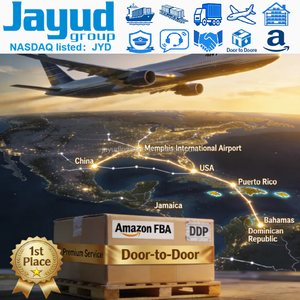
Global Express Courier and Cargo Logistics Air Freight Sea Shipping Transport Service From Manufacturing Hubs to Major Ports
Ocean Sea Freight Shipping Agent Service to USA UK Czech Ghana Oman Dubai Italy UAE Destination Ports
Cheapest Rates Logistics DDP Door to Door Sea Freight Forwarder Shipping Agent Cargo Transport Service USA Canada
Multi Transport DDP Transport Low Cost International Logistic Service Provider Sea Freight Shipping Agent USA Europe
Global Port-to-Port Infrastructure & Strategic Leadership
Founded on operational precision and headquartered in key strategic maritime gateways including Dubai Cargo Village (Office 2056-A, Entrance 4) since 2008, we manage high-yield freight corridors worldwide.
Institutional E-E-A-T & Regulatory Rigor
Navigating port-to-port maritime infrastructure requires deep compliance mastery. With zero customs penalties across 17+ years of continuous operating history, our licensed customs brokerages handle complex regulatory environments across North America, Europe, Asia-Pacific, and the GCC seamlessly.
Direct Carrier Contracts & Space Allocation
We maintain tier-1 direct service agreements with major ocean container alliances (2M, Ocean Alliance, THE Alliance). This eliminates intermediary markups, securing guaranteed equipment release and vessel space during peak shipping seasons and Red Sea routing disruptions.
End-to-End Real-Time Container Telemetry
Our freight architecture incorporates IoT-enabled smart container monitoring. Cargo owners receive automated milestone updates, temperature monitoring for cold chains, shock sensing, and predictive ETA calculations across every transshipment hub.
Global Port-to-Port Logistics Procurement Trends
An executive whitepaper analysis on geopolitical shifts, decarbonization mandates, and AI-optimized freight procurement architectures reshaping global trade.
1. Shift Toward Multimodal Green Corridors
International Maritime Organization (IMO) 2030 regulations and EU Carbon Border Adjustment Mechanisms (CBAM) are compelling enterprise buyers to restructure supply chains. Modern port-to-port manufacturers are adopting methanol and LNG dual-fuel vessel allocations, alongside optimized feeder routes to minimize Scope 3 supply chain emissions.
2. Algorithmic Rate Indexing & Spot Hedging
Freight rate volatility across transpacific, Asia-Europe, and trans-Indian corridors requires dynamic procurement strategies. Procurement leaders are moving away from fixed annual contracts toward hybrid indexing models—combining long-term base space commitments with automated spot-market dynamic hedging engines.
3. Paperless Trade & Digital Bill of Lading (e-BL)
The adoption of the UNCITRAL Model Law on Electronic Transferable Records (MLETR) has accelerated paperless port-to-port documentation. Utilizing digital Bills of Lading reduces administrative processing times from days to minutes, preventing vessel discharge bottlenecks and eliminating expensive port demurrage fees.
| Logistics Corridor Modality | Average Transit Time | Cost Efficiency Rank | Carbon Intensity Score | Ideal Cargo Application |
|---|---|---|---|---|
| FCL Sea Freight (Port-to-Port) | 12 - 28 Days | Optimal (Highest) | Low (0.015 kg CO2/ton-km) | High-volume industrial, machinery, consumer retail goods |
| LCL Consolidation (Port-to-Port) | 15 - 32 Days | High (Flexibility focus) | Moderate | Medium-batch manufacturing, SMB shipments, spare parts |
| Sea-Air Multimodal Express | 7 - 12 Days | Balanced Mid-Tier | Moderate to High | Time-sensitive electronics, high-margin apparel, seasonal goods |
| Temperature-Controlled Reefer Sea | 14 - 30 Days | Specialized High Value | Controlled Standards | Pharmaceuticals, fresh produce, perishables, sensitive chemical cargo |
Port Infrastructure & Vessel Manufacturing Innovations
Discover how autonomous port terminals, mega-containership engineering, and specialized logistics factories are elevating operational throughput globally.
Automated Container Terminals (ACT)
Global ports such as Jebel Ali (Dubai), Ningbo-Zhoushan, Rotterdam, and Singapore are deploying automated quay cranes and AGVs (Automated Guided Vehicles). This automation increases container dwell-time efficiency by up to 35%, ensuring rapid turnaround times for ocean liners.
Ultra Large Container Vessels (ULCVs)
The expansion of 24,000+ TEU capacity mega-vessels has lowered unit transportation costs for global manufacturers. However, it requires advanced port-to-port planning to align inland transport connectivity, feeder logistics, and yard storage capacity to handle massive discharge waves.
Smart Bonded Warehousing Integration
Integrated port-adjacent bonded warehouses allow global factories to store raw materials and finished goods tariff-free prior to re-export. Operating out of hubs like Dubai Airport Freezone (DAFZA) and Jebel Ali Free Zone (JAFZA) delivers immense working capital benefits for global supply chains.
Why Global Buyers Choose Our Port-to-Port Network
With decades of combined maritime experience, our forwarding division acts as a direct strategic extension of your supply chain department. By consolidating freight flows from top manufacturing factories in Ningbo, Wenzhou, Shanghai, Shenzhen, and Dubai Cargo Village, we guarantee transparent price structures, priority equipment release, zero hidden surcharges, and direct access to senior logistics managers 24/7.
Frequently Asked Questions by Global Freight Buyers
Expert insights addressing critical questions regarding port-to-port ocean shipping, customs protocols, rate structures, and risk mitigation.
Q: What is the fundamental operational difference between Port-to-Port and Door-to-Door (DDP) shipping?
Port-to-Port shipping covers the ocean vessel voyage from the origin port of loading (POL) to the destination port of discharge (POD). The buyer or their designated agent assumes responsibility for origin drayage, customs clearance, destination port handling charges (THC), and final inland transport. Conversely, Door-to-Door DDP (Delivered Duty Paid) integrates all legs—including origin pickup, export customs, ocean freight, import duties, VAT clearance, and final truck delivery to the warehouse door—under a single all-inclusive tariff.
Q: How do enterprise importers prevent unexpected Demurrage and Detention charges at destination ports?
Demurrage occurs when containers remain inside the terminal beyond free days, while detention applies when empty containers are returned late to the carrier container yard. To prevent these costs: 1) Pre-clear customs documents electronically prior to vessel arrival; 2) Negotiate extended free-time allowances (e.g., 14 to 21 days) directly into ocean service contracts; 3) Partner with experienced forwarders who manage dedicated drayage fleets to pull containers immediately upon vessel discharge.
Q: What documentation is mandatory for international ocean freight customs clearance?
Standard global trade documentation requires: 1) Master Bill of Lading (MBL) or House Bill of Lading (HBL); 2) Commercial Invoice detailing HS Codes and transaction valuations; 3) Itemized Packing List detailing gross/net weights and cubic meters (CBM); 4) Certificate of Origin (COO) endorsed by the local chamber of commerce; 5) Specific regulatory permits (e.g., Halal certification, MSDS for hazardous materials, health certificates for food and perishables).
Q: How should procurement managers decide between FCL (Full Container Load) and LCL (Less Than Container Load)?
FCL is the most economical choice when cargo volumes exceed 15–20 CBM (or fill standard 20ft/40ft containers), providing faster transit because containers do not require de-consolidation. LCL is ideal for smaller shipments (1 to 15 CBM), as shippers pay only for the volume occupied. However, LCL incurs consolidation and de-consolidation handling times at CFS (Container Freight Station) facilities, adding 3–5 days to overall lead times.
Q: What steps are taken to guarantee cold chain integrity for perishable or pharmaceutical reefer cargo?
Cold chain security relies on active refrigerated container units pre-cooled to precise temperatures prior to loading. Continuous temperature dataloggers record thermal stability throughout transit. At port terminals, reefer containers are plugged into electrical monitoring stations immediately upon offloading, and priority customs inspection lanes are utilized to prevent thermal degradation.
Q: How quickly can enterprise clients obtain a confirmed freight quotation and vessel booking?
Standard port-to-port ocean and air freight quotes are issued within same-day business hours. Once accepted, container allocations and booking notes (SO) are secured within 24 to 48 hours depending on carrier sailing schedules and space availability.
Ready to Secure Competitive Port-to-Port Direct Carrier Rates?
Connect with our senior logistics engineering team today. Get access to complete rate catalogs, custom FCL/LCL schedules, and tailored DDP logistics solutions for your manufacturing corridors.