1. Strategic Importance of Jebel Ali Port for Global FCL Procurement
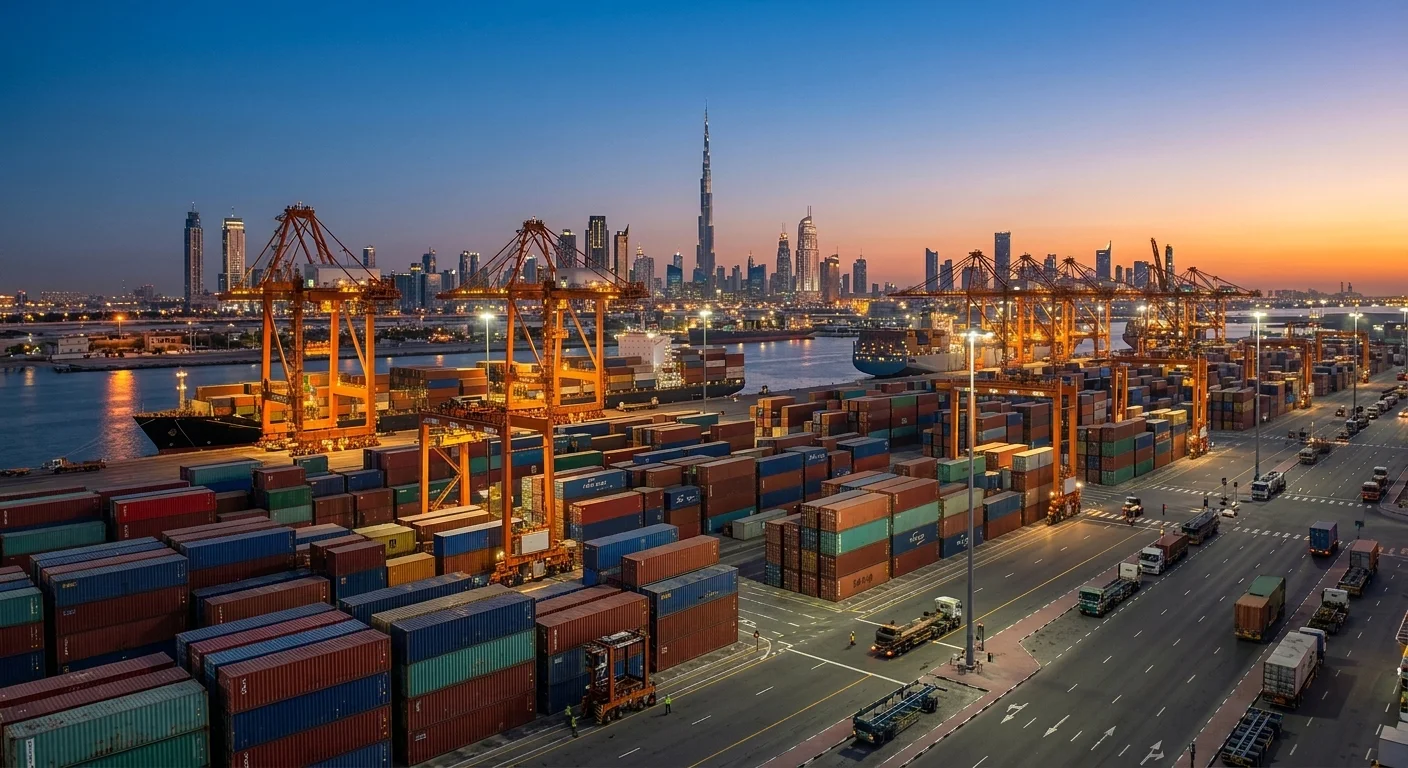
Jebel Ali Port (Port Code: AEJEA), operated by DP World, stands as the indisputable maritime cornerstone of the Middle East, North Africa, and South Asia (MENASA) region. Handling over 19.3 million TEUs (Twenty-Foot Equivalent Units) annually, Jebel Ali ranks among the top ten busiest container ports globally. For international procurement managers, CFOs, and global supply chain directors, choosing Jebel Ali Port FCL Sea Freight is not merely a matter of moving steel boxes—it is a strategic decision to position goods at the intersection of major global trade lanes connecting Asia, Europe, Africa, and the Americas.
Full Container Load (FCL) shipping through Jebel Ali offers unprecedented economies of scale, superior cargo security, and reduced handling risks compared to Less than Container Load (LCL) consolidations. When moving raw materials, high-value consumer electronics, industrial machinery, or temperature-sensitive food products, securing a dedicated container ensures your freight remains sealed from the point of origin in Jebel Ali or JAFZA (Jebel Ali Free Zone) to its final destination port.
However, navigating Jebel Ali’s vast infrastructure—spanning Terminals 1, 2, 3, and the highly automated Terminal 4—requires granular operational expertise. Without specialized freight forwarder intervention, global buyers frequently face unexpected terminal handling surcharges, storage escalation penalties, and complex Dubai Trade (Mirsal II) customs delays. Operating continuously from Office 2056-A, Entrance 4, Dubai Cargo Village since 2008, UKF Services provides the operational bridge that eliminates these friction points.
2. Comprehensive FCL Container Recommendations & Technical Specifications
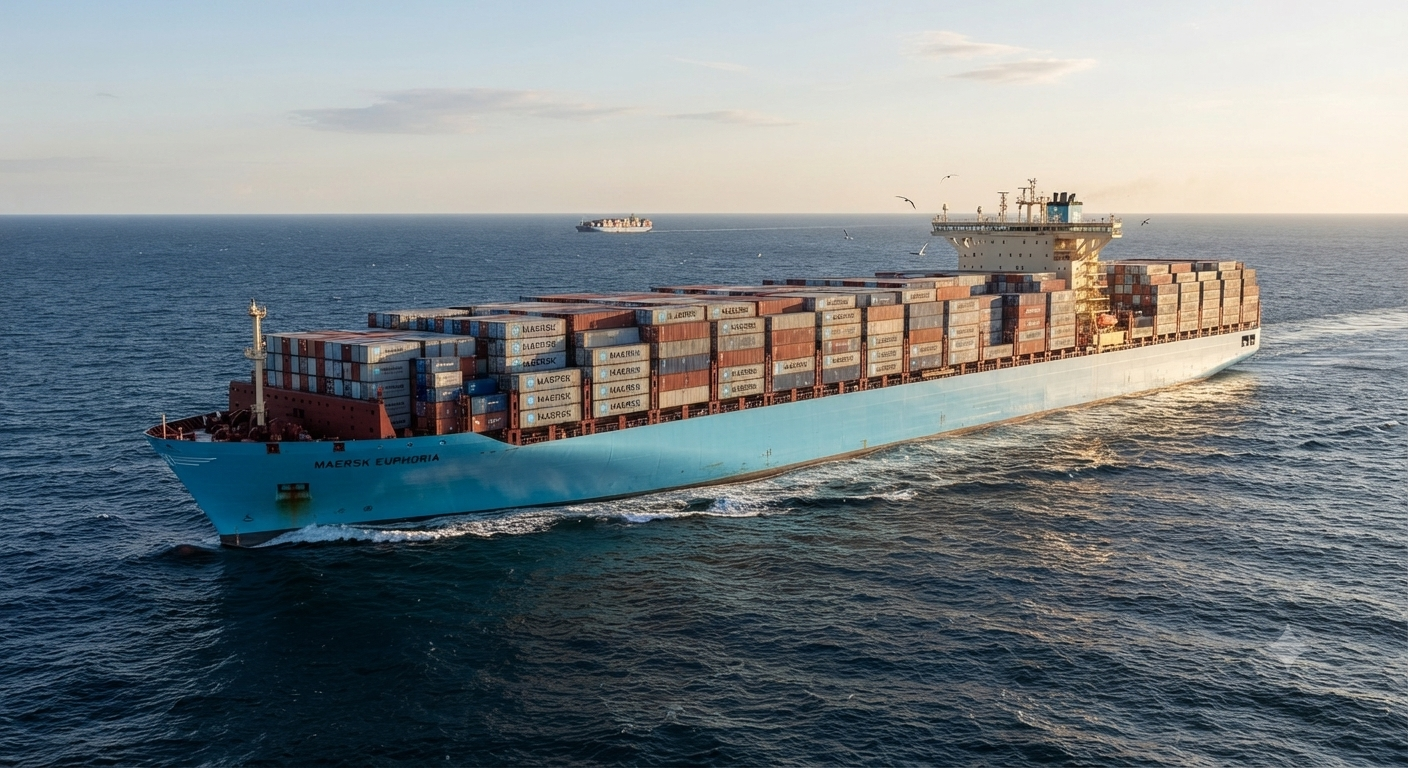
Selecting the correct FCL container specification is the first critical step in optimizing freight cost per unit and preserving cargo integrity. Global buyers must evaluate weight limitations, volume utilization, structural requirements, and thermal insulation. Below is our senior engineering guide to selecting ocean container equipment for Jebel Ali FCL sea freight outbound and inbound corridors:
A. 20ft Standard Dry Container (20' GP)
The 20-foot General Purpose container is the ideal solution for heavy, dense commodities such as metals, minerals, chemicals, sugar, ceramic tiles, and industrial spare parts. Because shipping line freight tariffs are capped by payload weight limits before volume capacity is reached, the 20' GP delivers the lowest cost per metric ton for dense goods.
- Internal Dimensions: 5.89m (L) x 2.35m (W) x 2.39m (H)
- Max Payload: Approx. 28,200 kg (Subject to carrier/road axle weight rules)
- Cubic Capacity: ~33.2 CBM (Practical usable volume: 28–30 CBM)
- Best Used For: Heavy raw materials, bagged commodities, industrial valves, liquid flexitanks.
B. 40ft Standard Dry Container (40' GP) & 40ft High Cube (40' HC)
For voluminous, lightweight, or standardized palletized goods, the 40ft High Cube (40' HC) is the uncontested industry standard. Providing an extra foot of vertical headroom compared to standard 40' GP containers, the High Cube yields a 12% increase in cubic capacity for a nominal ocean freight price differential (often less than $50–$100 over a standard 40ft).
- 40' GP Capacity: ~67.7 CBM | Max Payload: ~26,600 kg
- 40' HC Capacity: ~76.4 CBM | Max Payload: ~28,500 kg
- Pallet Loading Capacity: Fits up to 21 Standard Euro-pallets (1200x800mm) or 24 Standard US Industrial pallets (1200x1000mm) in two staggered rows.
- Best Used For: Garments, consumer goods, furniture, electronics, auto parts, packaged retail products.
C. Temperature-Controlled Reefer Containers (20' & 40' Reefer)
Jebel Ali Port is the Middle East's primary cold-chain transshipment center. High-value perishables—such as fresh fruits, pharmaceuticals, frozen protein, and certified halal meat—require active refrigeration. Our reefer fleet features advanced datalogging, controlled atmosphere (CA) options, and continuous power monitoring at DP World reefer gantry points.
- Temperature Range: -30°C to +30°C (Deep-freeze options available down to -60°C for specialized pharma)
- Critical Requirement: Pre-cooling of cargo prior to stuffing, continuous genset power during road transit to Jebel Ali gates.
D. Special Equipment: Open Top (OT) & Flat Rack (FR) Containers
For Out-of-Gauge (OOG) and heavy-lift project cargo originating from UAE industrial hubs (ICAD, Dubai South, JAFZA), UKF Services deploys Open Top containers (for top-loading by crane) and Flat Racks (for over-width machinery). Our team handles lashing certifications, marine survey reports, and DP World special handling permits.
| Container Type | Internal Vol (CBM) | Max Payload (kg) | Tare Weight (kg) | Primary Logistics Applications |
|---|---|---|---|---|
| 20' Standard Dry (20 GP) | 33.2 CBM | 28,200 kg | 2,300 kg | High-density commodities, metals, liquids in flexitanks, chemicals. |
| 40' Standard Dry (40 GP) | 67.7 CBM | 26,600 kg | 3,750 kg | General manufactured goods, machinery, medium-density cargo. |
| 40' High Cube (40 HC) | 76.4 CBM | 28,500 kg | 3,900 kg | Voluminous retail items, furniture, electronics, palletized goods. |
| 40' Reefer (40 HR) | 67.3 CBM | 29,400 kg | 4,600 kg | Perishables, pharmaceuticals, dairy, fresh seafood, Halal meat. |
| 40' Flat Rack (40 FR) | N/A (OOG) | 45,000 kg | 5,700 kg | Heavy machinery, industrial turbines, yachts, structural steel. |
Need Instant Jebel Ali Port FCL Freight Rates?
Get transparent, fully itemized ocean freight quotes with direct DP World terminal handling costs included. No hidden surcharges guaranteed.
Inquire Now3. Future Procurement Trends in Jebel Ali FCL Freight (2026–2030)
The ocean freight industry is undergoing profound structural shifts driven by geopolitical realignments, carbon regulations, and AI automation. Global buyers sourcing through Jebel Ali Port must adapt their procurement strategies to align with these emerging realities:
A. Red Sea Vulnerability & Multi-Modal Routing Resilience
Ongoing maritime security challenges in the Bab al-Mandab Strait and Red Sea have forced ocean carriers to reroute vessel strings around Africa's Cape of Good Hope, adding 10 to 14 days to transit schedules between Jebel Ali and Northern Europe or US East Coast ports. To counter this delay, forward-thinking procurement teams are utilizing Dubai's Sea-Air Hybrid Corridor. Cargo is shipped via high-speed ocean feeders to Jebel Ali Port, transferred under bonded transport to Dubai Cargo Village / Al Maktoum International Airport within 4 hours, and flown to destination markets—reducing transit times by 60% compared to full sea rerouting at a fraction of pure air freight costs.
B. Decarbonization & IMO 2030 / EU ETS Carbon Compliance
International Maritime Organization (IMO) carbon intensity indicators (CII) and the inclusion of shipping in the European Union Emissions Trading System (EU ETS) mean shipping lines operating out of Jebel Ali now pass carbon compliance surcharges to cargo owners. Buyers are increasingly selecting dual-fuel LNG, methanol, or wind-assisted container vessels. UKF Services assists enterprise clients in calculating, reporting, and mitigating Scope 3 supply chain carbon emissions across all FCL bookings out of Dubai.
C. DP World BoxBay Automation & Terminal 4 Integration
DP World's implementation of BoxBay high-bay storage technology at Jebel Ali Port represents a leap forward in container yard efficiency. By stacking containers up to eleven storeys high in an automated steel structure, BoxBay eliminates direct container-on-container stacking. This results in:
- Zero unproductive container shuffles: Direct crane access to any individual container without moving adjacent boxes.
- 300% faster truck turnaround times: Dual-automated gantries load street trucks in under 15 minutes.
- 100% solar-powered terminal yards: Reducing carbon footprint per TEU handled.
4. Market Dynamics & Trade Corridor Evolution
Jebel Ali Port's role is evolving rapidly due to comprehensive economic partnership agreements (CEPA) established by the UAE Ministry of Economy. Trade routes between Dubai and South/Southeast Asia, the GCC, and Latin America are experiencing record growth.
A. GCC–Indonesia & ASEAN Corridor Surge
Bilateral trade between the GCC and Indonesia exceeded $8 Billion in 2024 and continues to scale. As a premier hub for certified Halal logistics, Jebel Ali serves as the primary consolidation port for ocean freight heading to Tanjung Priok (Jakarta) and Surabaya. UKF Services specializes in managing Halal-compliant FCL container shipping, ensuring end-to-end segregation, clean container certification, and rapid customs transit across this high-growth corridor.
B. Digital Bills of Lading (e-BL) & Blockchain Verification
Paper bills of lading are rapidly becoming obsolete. Through the Dubai Trade Portal and TradeLens-backed digital ecosystem, Jebel Ali customs and shipping lines now support fully digitized Electronic Bills of Lading (e-BL). This shift reduces document dispatch times from 5 days to 5 minutes, eliminating vessel arrival standby delays at destination ports and completely preventing demurrage caused by delayed paper documents.
5. Strategic FAQ for Global Procurement & Logistics Officers
To provide actionable clarity for international buyers, our lead freight consultants have answered the most common operational queries raised by global procurement executives regarding Jebel Ali Port FCL Sea Freight:
Q1: What is the exact difference between Terminal Storage, Demurrage, and Detention at Jebel Ali Port?
Understanding these three distinct cost centers is vital for risk management:
- Terminal Storage: Charged directly by DP World for containers occupying physical space in Jebel Ali Port yards after the free storage period expires (typically 10 days for imports, 7–10 days for exports).
- Demurrage: Charged by the ocean shipping line for keeping the container inside the port terminal beyond the allowed free days before gate-out.
- Detention: Charged by the shipping line for holding the empty container outside the port facility beyond the allowed return period after drayage delivery.
UKF Operational Solution: We secure upfront extended free time (14 to 21 days combined demurrage/detention) directly with carrier trade managers before your container is loaded.
Q2: How does the UAE customs clearance workflow operate for FCL import/export through Jebel Ali?
All clearances are executed electronically through the Dubai Trade Portal via the Mirsal II system. Required steps include:
- Submission of Commercial Invoice, Packing List, and Certificate of Origin (COO).
- Customs Code assignment under the importer's/exporter's registered UAE Customs Client Code.
- Duty assessment (Standard 5% GCC customs duty on CIF value; Freezone exemptions apply for JAFZA transfer).
- Physical or X-Ray VASP container inspection if flagged by risk channels.
- e-Release note generation for DP World Gate-Out.
Our dedicated team, operating from Office 2056-A Dubai Cargo Village, manages the entire clearance chain within 4 to 12 hours of vessel discharge.
Q3: Which Incoterm should I select for buying/selling goods through Jebel Ali Port?
For buyers sourcing goods from UAE manufacturers in JAFZA or Dubai industrial zones, we strongly recommend FOB Jebel Ali Port or FCA Seller Warehouse. Purchasing on FOB gives the international buyer complete control over ocean carrier selection, freight pricing, transit routing, and free-time negotiations. Avoid CIF terms where the supplier controls the ocean leg, as destination buyers in Europe or America are frequently hit with exorbitant hidden local destination handling fees upon arrival.
Q4: How are Hazardous Cargo (DG) containers regulated at Jebel Ali Port?
Jebel Ali Port enforces strict IMO Dangerous Goods regulations. All DG shipments require approval from DP World Safety Department prior to gate-in. Importers must supply a complete Material Safety Data Sheet (MSDS), UN Number, IMO Class designation, and Container Packing Certificate (CPC). Hazardous containers incur specialized terminal handling surcharges and must be removed from the port yard within strict shortened free time windows (often 24 to 48 hours).
Q5: What is Verified Gross Mass (VGM) and how is it processed under SOLAS rules at Jebel Ali?
Under the International Maritime Organization SOLAS convention, every packed export container leaving Jebel Ali Port must have a certified Verified Gross Mass (VGM) declared prior to stowage planning. DP World terminals offer automated weighbridge services at port gates. UKF Services ensures all export containers undergo certified weighbridge reporting or Method 2 calculation to prevent container rejection at vessel loading.
6. Operational E-E-A-T & Enterprise Advantage: Why UKF Services
In an industry crowded with digital brokers and distant call centers, UKF Services (UKF Sea & Air Cargo Services LLC) stands out as a genuine, ground-level operator with 17+ years of physical presence in Dubai.
Operated from Office 2056-A, Entrance 4, Dubai Cargo Village Since 2008
We are not an algorithm or a virtual reseller. Our team works every day from the heart of Dubai's air and sea logistics infrastructure. Under the executive leadership of CEO Mirza Salim Baig (25+ years of international logistics mastery), UKF Services maintains direct operational relationships with DP World port authorities, Dubai Customs officers, and major ocean carriers (Maersk, MSC, CMA CGM, COSCO, ONE, Hapag-Lloyd).
- ✔ 100% UAE Customs Compliance Record: Zero penalties or impoundments across 17 years.
- ✔ Zero Hidden Fees Policy: Fully itemized ocean freight quotes, Terminal Handling Charges (THC), and clearance fees.
- ✔ Single Point of Contact: Dedicated senior logistics managers—no anonymous ticketing systems.
- ✔ Same-Day Response Guarantee: Immediate pricing and operational feedback for all quotes received before 4:00 PM GST.
7. Step-by-Step FCL Ocean Freight Execution Workflow
When you partner with UKF Services for your Jebel Ali Port FCL shipments, your cargo follows a rigorous, audited standard operating procedure designed for complete transparency and speed:
- Rate Optimization & Space Booking: We query live carrier allocations across direct and feeder services out of Jebel Ali to secure preferred rate locks and guaranteed container equipment availability.
- Empty Container Release & Stuffing: Empty 20ft/40ft units are released from DP World depots and dispatched to your factory or JAFZA warehouse for professional loading and lashing.
- SOLAS VGM & Export Customs Submission: Containers are weighed on certified scales, and customs export declarations (Mirsal II) are cleared electronically prior to port gate-in.
- Port Terminal Gate-In (DP World T1/T2/T3/T4): Container passes through automated OCR optical gates with real-time tracking confirmation sent to your dashboard.
- Bill of Lading Execution & Destination Tracking: Master Bill of Lading (MBL) or House Bill of Lading (HBL) is issued electronically. Cargo movement is monitored continuously until final vessel discharge at destination port.
Ready to Streamline Your Jebel Ali FCL Supply Chain?
Contact our senior ocean freight specialists today for instant tariff reviews, carrier space allocations, and zero-risk customs clearance support.
Inquire Now