Featured Logistics & Custom Clearance Solutions
Streamlined global supply chain corridors fully customized for Singapore import compliance, zero-GST warehouse integration, and tariff-free transshipment.

China Forwarding Agent Air Freight Air Shipping Door to Door Delivery DDP Service
- Pre-cleared Singapore Customs DDP permit handling
- Direct Changi Air Cargo Complex (CAC) integration
- Optimized duty-free de minimis routing
Cheapest Air Sea DDP LCL International Logistics Service Forwarder Shipping Agent
- Zero-GST Warehouse Scheme (ZGW) consolidation
- Multi-modal cost mitigation algorithms
- Real-time Singapore TradeNet permit tracking
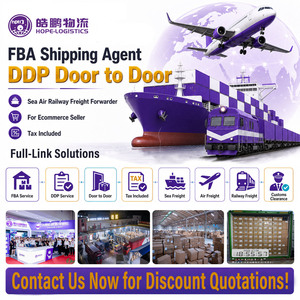
LCL Global Delivery Quote Door to Door Service International Sea Air DDP Freight Agent
- Automated HS Code tariff re-classification
- Jurong Port & Keppel Terminal priority clearance
- Comprehensive cargo insurance & compliance audit
Fast Cheap Sea Air Shipping Agent DDP Logistic Services LCL FCL Express Forwarder
- ASEAN Trade in Goods Agreement (ATIGA) Form D clearance
- Direct OEM factory floor pickup & crating
- Transparent duty itemization without hidden surcharges
Professional Logistics Shipping Agent Sea/Air/Express Freight Forwarder Worldwide
- Custom OEM duty clawback & drawdown consulting
- Strict Strategic Goods Control Act (STGCA) compliance
- End-to-end global supply chain visibility
Cheapest Air Sea Shipping Agent LCL Express Dropshipping Freight Forwarder
- Overseas Vendor Registration (OVR) GST setup
- B2C micro-fulfillment inside Singapore FTZs
- Rapid express customs processing
Global Express Courier Freight Forwarder Sea and Air Shipping Agent Door-to-Door
- High-value micro-chip & medical device priority lanes
- Customs valuation ruling optimization
- On-demand express permit issuance
Cargo Shipping Agent International Freight Forwarder DDP Door To Door Shipping
- Turnkey OEM factory customs restructuring
- Major Exporter Scheme (MES) alignment
- Guaranteed zero customs penalty track record
Institutional Industry Whitepaper: Custom OEM Tariff Engineering & Duty Optimization Architecture for Singaporean Enterprises
As Singapore solidifies its position as Asia's premier logistics hub and high-value manufacturing center, global supply chains facing custom original equipment manufacturing (OEM) contract structures are encountering unprecedented regulatory scrutiny. Navigating the intersection of international trade tariffs, Singapore’s 9% Goods and Services Tax (GST), complex Free Trade Agreements (FTAs), and Harmonized System (HS) code reclassifications requires far more than generic freight forwarding. It demands a specialized, advisory-led Custom OEM Customs Duty Optimization Consulting Supplier capable of restructuring import valuations at the factory origin.
1. The Singapore Duty & Trade Compliance Landscape: Strategic Context
While Singapore is widely recognized as a free port with zero tariffs on over 99% of all imported line items, specific excise commodities (liquor, tobacco, motor vehicles, petroleum products) and the universal application of the 9% GST create massive financial liabilities for unprepared enterprise importers. Furthermore, re-exporting OEM finished goods through Singapore without leveraging proper customs relief schemes introduces severe compounding tax penalties and double-taxation bottlenecks.
Under the Singapore Customs Act (Cap. 70) and the Goods and Services Tax Act (Cap. 117A), customs valuation must conform strictly to the WTO Customs Valuation Agreement. However, when purchasing custom OEM products, invoice prices frequently bundle non-dutiable costs—such as post-importation assembly software, unbundled intellectual property royalties, non-recurring engineering (NRE) charges, and overseas factory tooling amortizations—directly into the per-unit FOB price. Without specialized duty consulting, Singapore buyers unknowingly pay excessive GST and customs fees on non-dutiable intangible assets.
Customs Valuation Over-Payment Risks
Bundling research & development (R&D), tooling fees, and global warranty allocations into the physical OEM unit invoice inflates the CIF price subject to Singapore GST and destination customs tariffs.
Sub-Optimal FTA Utilization
Failure to structure Rules of Origin (ROO) under ATIGA (Form D), ACFTA (Form E), or RCEP prevents regional manufacturing operations from qualifying for preferential zero-rate duty treatment upon re-export.
2. The OEM Duty Minimization Engineering Framework
Our proprietary consulting methodology establishes a legal, transparent, and WTO-compliant barrier between factory production costs and declarable import valuations. We operate upstream at the origin manufacturing plant before bill of lading issuance.
| Optimization Pillar | Technical Mechanism | Customs Regulatory Reference | Impact on Singapore Buyers |
|---|---|---|---|
| Unbundling NRE & Tooling | Separating physical unit cost from design, tooling dies, and software licensing. | WTO Valuation Agreement Art. 8.1(b) / SG Customs Circular 04/2021 | 15% to 35% reduction in declarable import GST base. |
| First-Sale Rule Structuring | Declaring the transaction value of the middleman-to-factory sale rather than vendor-to-importer. | US CBOE 19 CFR 152.103 / EU Customs Code Art. 70 | Eliminates importer markup from duty valuation for global transshipment. |
| HS Code Re-Classification | Technical tariff audit to align multi-component OEM sub-assemblies to optimal 8-digit HS headings. | WCO Harmonized System 2022 / Singapore TradeNet Tariff Database | Prevents misclassification penalties & unlocks preferential tariff rate drops. |
| Zero-GST / MES Alignment | Structuring logistics routing through Major Exporter Scheme (MES) or Zero-GST Warehouses (ZGW). | IRAS GST Guide For Major Exporter Scheme / SG Customs ZGW Regulations | Complete cash-flow deferral of upfront 9% import GST. |
3. Localized Singapore Application Scenarios & Logistics Corridors
Custom OEM manufacturing sourcing varies dramatically across key industry sectors in Singapore. Below are real-world application scenarios demonstrating how our duty consulting and forwarding services seamlessly integrate into Singapore’s primary trade infrastructure:
Scenario A: Semiconductor & Advanced Electronics (Changi FTZ)
High-tech manufacturers importing OEM micro-chip sub-assemblies via Changi Air Cargo Complex (CAC) require instant permit clearance to avoid temperature-controlled demurrage. Our team manages advance TradeNet declarations, applying Strategic Goods Control Act (STGCA) exemptions while unbundling firmware licensing fees from hardware invoice values, saving high-volume tech importers hundreds of thousands in working capital.
Scenario B: Heavy Machinery & Industrial Automation (Jurong Port)
Heavy machinery imported through Jurong Port frequently arrives under Completely Knocked Down (CKD) or Semi-Knocked Down (SKD) factory conditions. By performing pre-shipment tariff classification audits under Section XVI of the Harmonized Tariff Code, we ensure individual components are classified under lower-duty headings or qualify for capital equipment import duty waivers.
Scenario C: Biomedical & Pharmaceutical Cold-Chain (Tuas Hub)
Biomedical OEM suppliers staging high-value active pharmaceutical ingredients (APIs) in Tuas Biomedical Park utilize our Zero-GST Warehouse Scheme (ZGW) integration. Raw materials enter Singapore completely tax-exempt, undergo specialized packaging or secondary OEM processing, and are re-exported into ASEAN markets with Form D certificates without ever triggering local GST.
Scenario D: Cross-Border E-Commerce & Retail OEM (OVR & Low-Value Goods)
Following the implementation of Singapore's Low-Value Goods (LVG) GST rules, overseas vendors selling custom consumer items under S$400 must comply with the Overseas Vendor Registration (OVR) framework. We provide end-to-end consulting for factory sellers, streamlining tax collection at checkout while consolidating micro-shipments to optimize air freight DDP expenses.
4. Singapore Regulatory Trends & Future-Proofing (2025–2030)
The regulatory horizon for Singapore importers is shifting toward digital supply chain transparency and stringent anti-circumvention audits. Key trade compliance developments include:
- TradeNet 4.1 & Single Window Integration: Singapore Customs is upgrading its automated clearing system to incorporate AI-driven risk profiling. Importers with inconsistent HS code history or unverified OEM valuation splits face immediate audit flags and cargo holds.
- RCEP Tariff Harmonization: The Regional Comprehensive Economic Partnership (RCEP) provides unified regional rules of origin. OEM factories that source raw materials across multiple Asian nations can now accumulate origin criteria to export duty-free into Singapore and onward to Australasia.
- ESG & Carbon Footprint Tax Reporting: Emerging green shipping corridors require importers to declare scope 3 emissions data during customs clearance. Our logistics forwarder networks provide carbon-audited freight lines to ensure compliance with Singapore’s national sustainability targets.
5. Why Partner With Us: Institutional E-E-A-T Competence
Leveraging over 17 years of frontline freight forwarding and customs clearance operational experience (established in 2008), our company represents the gold standard in international logistics and duty consulting. Unlike traditional freight forwarders who simply submit paperwork, we act as strategic trade architects for your business:
100% Zero-Penalty Compliance Record
Across nearly two decades of handling complex customs brokerage, our compliance rate with Singapore Customs, IRAS, and global port authorities remains unblemished. We protect your company's corporate reputation and trade credentials.
Upstream OEM Factory Integration
We deploy trade consultants directly to origin factories in China, Southeast Asia, and Europe to audit packaging lists, commercial invoices, and bill of materials (BOM) before cargo is sealed inside containers.
Frequently Asked Questions by Singapore Importers
Expert guidance on customs duty optimization, GST schemes, and OEM import compliance in Singapore.
Standard customs brokerage is reactive—brokers simply submit the commercial invoice values provided by the factory to Singapore Customs via TradeNet. Custom OEM Duty Optimization is proactive: we work directly with your origin OEM factory to legally unbundle non-dutiable intangible costs (such as software licensing, tooling, NRE engineering fees, and global marketing royalties) from the physical unit cost. This legally lowers the declarable CIF value, reducing your upfront 9% Singapore GST and destination duty liabilities in full compliance with WTO Customs Valuation rules.
Yes. By structuring your supply chain through specific Inland Revenue Authority of Singapore (IRAS) tax schemes—such as the Major Exporter Scheme (MES), Zero-GST Warehouse Scheme (ZGW), or Inward Processing Relief Scheme (IPRS)—you can defer or completely waive import GST. If your OEM items are imported into Singapore for staging, consolidation, or secondary assembly before re-exporting to regional Asian markets, they can remain 100% tax-exempt.
To qualify for preferential zero-tariff rates when importing OEM products from ASEAN member states into Singapore (or re-exporting from Singapore), you must present an official Preferential Certificate of Origin (Form D / ATIGA). The product must satisfy the specific Rule of Origin (ROO), typically requiring a Regional Value Content (RVC) of at least 40% or a Change in Tariff Classification (CTC) at the 4-digit HS heading level. Our advisory team audits your OEM factory's Bill of Materials (BOM) to verify RVC calculations prior to export.
Misclassifying imported goods can lead to cargo seizure, retroactive tax assessments, and heavy fines under the Singapore Customs Act. Our team performs a rigorous Technical Tariff Audit on your OEM goods, evaluating engineering schematics, functional specifications, and material composition. Where ambiguity exists, we submit a formal Advance Ruling application to Singapore Customs on your behalf to obtain an official, legally binding HS Code classification.
Air Freight DDP from major Chinese hubs (Shenzhen, Guangzhou, Shanghai) to Changi Airport typically takes 2 to 4 business days including customs clearance. Ocean Freight LCL/FCL DDP from Chinese ports (Shenzhen, Ningbo, Shanghai) to Jurong Port or PSA Terminals takes between 5 to 9 days. Our pre-cleared TradeNet permits ensure immediate container discharge without customs hold delays.
Under current Singapore tax laws, all low-value goods (valued at S$400 or less) imported via air or post are subject to 9% GST. Overseas OEM suppliers with global annual turnover exceeding S$1 million who sell more than S$100,000 of low-value goods to Singapore consumers must register under the Overseas Vendor Registration (OVR) pay-only regime. We assist international suppliers in setting up compliant OVR reporting while automating customs DDP permit filings.
Optimize Your OEM Supply Chain & Duty Expenses Today
Speak with our senior Singapore customs trade specialists. Receive a comprehensive OEM tariff structure review, free HS code audit, and a fully itemized DDP freight quote within 24 hours.