Specialized Port-to-Port & Multimodal Transport Solutions for Luxembourg
Seamlessly bridging global oceanic trade lanes with inland Benelux rail and waterway hubs (Port of Antwerp-Bruges, Rotterdam, Zeebrugge, & Mertert Inland Port).
China-to-Luxembourg Direct Air & Ocean Courier Freight Service
High-speed priority consolidation, combined sea-air routing, and direct customs-cleared dispatch to Luxembourg Findel Airport and Contern Logistics Hubs.
Benelux Ocean Gateway FCL/LCL DDP/DDU Cargo Forwarding
Full Container Load & Less-than-Container Load services via Antwerp and Rotterdam with integrated EU import VAT deferment for Luxembourg businesses.
China Main Ports to Bettembourg Multimodal Rail Shuttle Service
End-to-end maritime transportation from Ningbo/Shanghai to European coastal ports, seamlessly connected via daily green rail shuttles to Luxembourg dry ports.
End-to-End Integrated DDP Multimodal Cargo Network
Comprehensive port-to-port and door-to-door freight forwarding engineered for precision transit, regulatory safety, and zero hidden destination surcharges.
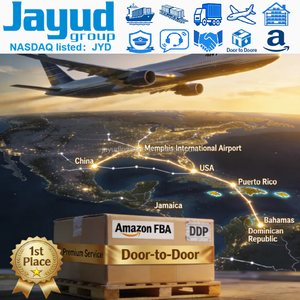
Global Maritime Lines & Priority Ocean Shipping Solutions
Direct contract carrier capacity across major maritime lines (MSC, Maersk, COSCO) ensuring guaranteed vessel space to Antwerp and Rotterdam for Luxembourg importers.
Heavy Machinery & Industrial Raw Material Ocean Transportation
Specialized flat-rack, open-top, and breakbulk maritime services connected directly to Luxembourg's steel, automotive, and industrial manufacturing sectors.
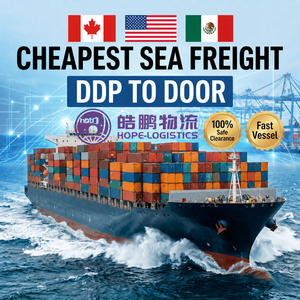
Value-Engineered Port-to-Port Sea Freight & Land Drayage
Optimized freight rates leveraging high-volume Benelux port allocations combined with direct barge transshipment along the Rhine and Moselle rivers to Port of Mertert.
Integrated Sea-Barge-Rail Tri-Modal Transportation Matrix
Future-proof synchromodal supply chains offering flexible real-time routing between deep-sea maritime ports and inland European distribution centers.
High-Impact Port-to-Port Application Scenarios in Luxembourg
Analyzing how world-class maritime transportation directly connects deep-sea ocean routes with Luxembourg’s landlocked industrial hubs and specialized economic zones.
Automotive & High-Tech Manufacturing Components
Luxembourg hosts globally renowned automotive component manufacturers, specialized rubber producers, and advanced electronics plants (centered in Colmar-Berg, Dudelange, and Echternach). Our port-to-port services transport raw materials (synthetic rubber, specialized steel, semiconductor housings) in FCL containers from East Asia to Antwerp or Rotterdam, transferring them immediately via express intermodal rail to the Eurohub South multimodal terminal in Bettembourg for just-in-time (JIT) production delivery.
Heavy Industrial Steel Coils & Raw Material Logistics
As the global headquarters of steel manufacturing giants, Luxembourg imports high-grade iron ore, alloying elements, and specialized machinery, while exporting processed structural beams worldwide. We engineer heavy-duty port-to-port breakbulk and containerized services via the Port of Mertert—Luxembourg's dedicated inland port on the Moselle River—connecting directly to Rhine river barges and deep-sea vessels calling at Rotterdam and Antwerp-Bruges.
GDP-Compliant Pharmaceutical & Healthcare Cold Chain
With Luxembourg’s strategic push into health sciences and cold-chain logistics at Findel Airport, international pharmaceutical suppliers require strict temperature-monitored transportation. We provide active GDP-compliant reefer containers moving under port-to-port ocean bills of lading, equipped with real-time GPS telemetry, humidity tracking, and rapid green-lane customs dispatch into Luxembourg GDP-certified warehouses in Contern.
Consumer Goods, Retail & E-Commerce Fulfillment
Luxembourg serves as a premier European distribution hub for major global e-commerce and retail brands. We manage high-volume LCL consolidation and FCL shipments originating from Asian manufacturing hubs (Ningbo, Shenzhen, Vietnam), utilizing optimized sea freight rates, handling customs import processing via Fiscal Representation in the Netherlands/Belgium, and delivering consolidated pallets directly to regional fulfillment centers.
Macro Logistics Trends Shaping the Luxembourg Maritime Freight Landscape
Understanding the regulatory, environmental, and technological shifts governing European ocean freight and Benelux inland corridors.
Synchromodal Sea-Rail Interoperability
With the expansion of the Bettembourg-Dudelange Multimodal Rail Terminal, shippers are rapidly migrating away from pure road trucking toward synchromodal sea-rail shuttles linking the Port of Antwerp-Bruges and Rotterdam directly to Luxembourg, reducing transit variability and highway congestion.
EU Green Deal & Scope 3 Decarbonization
Luxembourg corporate governance and EU CSRD regulations demand transparent carbon reporting. Port-to-port carriers serving Luxembourg must now provide certified CO2 emissions data per TEU-km, accelerating adoption of biofuel-powered ocean vessels and electrified rail drayage.
Digitalization of LU Customs (LU-CUSTOMS)
The modernization of the Luxembourg Customs and Excise Agency (ADA) requires pre-arrival electronic manifest transmission and automated risk assessment under the EU Single Window Environment for Customs, making paperless customs brokerage an absolute necessity for seamless cargo flow.
Why Leading Luxembourg Enterprises Partner With Us
A side-by-side technical evaluation of our specialized port-to-port logistics framework versus standard global freight forwarders.
| Operational Capability / Feature | Our Specialized Port-to-Port Architecture | Standard Global Forwarders | Traditional Regional Carriers |
|---|---|---|---|
| Benelux Gateway Connectivity | ✓ Dedicated Rail/Barge Shuttles to LU | Basic road trucking from port | Third-party subcontracted drayage |
| Customs & Fiscal Representation | ✓ Direct EU Import VAT Deferment (LU/BE/NL) | Standard import clearance only | Outsourced third-party brokers |
| Demurrage & Detention Risk | ✓ 14-21 Days Extended Free-Time Buffer | Standard 5-7 days ocean carrier limit | Minimal free-time allocation |
| Cargo Telematics & Visibility | ✓ Live IoT Container Sensor Data (Temp/GPS) | Milestone status updates only | Manual email tracking updates |
| Pricing Transparency | ✓ All-Inclusive Itemized Quote (Zero Hidden Fees) | Frequent peak season surcharges | Variable terminal handling costs |
| Single Point of Contact (SPOC) | ✓ Dedicated Key Account Logistics Engineer | Rotational call-center queues | Fragmented local office contacts |
Frequently Asked Questions by Luxembourg Cargo Importers & Exporters
Comprehensive technical guidance addressing common procurement, customs, and operational concerns for sea freight into the Grand Duchy.
How does Port-to-Port shipping function for landlocked Luxembourg?
Although Luxembourg is geographically landlocked, it operates as a high-efficiency multimodal hub utilizing a "virtual seaport" model. Ocean vessels deliver cargo to major Northern Range deep-sea ports—primarily Port of Antwerp-Bruges (Belgium) or Port of Rotterdam (Netherlands). Under a single Port-to-Port or Through Bill of Lading (TBL), cargo is immediately transferred onto dedicated intermodal feeder shuttles (daily freight trains directly into the Bettembourg Multimodal Terminal or inland water barges to the Port of Mertert on the Moselle River), completing final import processing seamlessly inside Luxembourg territory.
Which ocean port is most cost-effective for cargo destined for Luxembourg: Antwerp or Rotterdam?
The choice between Antwerp and Rotterdam depends on cargo type, vessel rotation, and final destination within Luxembourg. Port of Antwerp-Bruges is geographically closer (approx. 250 km) and offers exceptionally dense direct rail shuttle links to Bettembourg, making it ideal for heavy manufacturing materials and automotive components. Port of Rotterdam offers faster ocean transit times for deep-sea vessels arriving from East Asia and strong Rhine barge connections via the Moselle River to Port of Mertert, making it advantageous for ultra-large container vessels (ULCVs) and bulk liquid/steel commodities. Our engineering team conducts route simulations to determine the lowest total landed cost for your specific trade lane.
What customs procedures apply when importing sea freight into Luxembourg via Belgian or Dutch ports?
Importers can choose between two primary regulatory mechanisms: 1) Transit Procedure (T1 Document): Cargo moves under customs bond from Antwerp/Rotterdam directly to a Luxembourg bonded warehouse, where import customs declaration and Luxembourg VAT payment occur upon arrival. 2) Fiscal Representation (EU Procedure 42): Cargo is cleared for free circulation upon arrival at the coastal port (e.g., Antwerp) using an EU Fiscal Representative. Import duty is paid at the port, while VAT is deferred and accounted for in Luxembourg via the importer’s periodic VAT return, avoiding immediate cash outflow.
How are high-value or temperature-sensitive goods handled during port-to-inland transit?
For high-value electronics or GDP-certified pharmaceutical products, we utilize Active Reefer Containers equipped with independent gensets and real-time IoT telematics. These units maintain precise temperature bands (+2°C to +8°C or +15°C to +25°C) and stream continuous temperature, humidity, and door-opening sensor data via satellite/cellular networks. Containers are placed on priority express rail shuttles equipped with GPS tracking and armed security escorts where required, ensuring uninterrupted cold-chain compliance from foreign origin ports directly to Luxembourg distribution centers.
What are the typical port-to-door transit times from major Asian ports to Luxembourg industrial zones?
Standard ocean transit from main East Asian ports (Shanghai, Ningbo, Shenzhen) to Antwerp/Rotterdam typically takes 28 to 35 days via traditional Suez Canal routes (or 38 to 44 days via Cape of Good Hope routing). Once the container is discharged at the sea terminal, terminal handling, customs T1 processing, and rail/barge loading require 24 to 48 hours. Inland transit from Antwerp/Rotterdam to Bettembourg Terminal takes approximately 6 to 12 hours by rail or 24 to 36 hours by barge. Total end-to-end door transit generally averages 32 to 42 days depending on oceanic carrier loops.
What Incoterms 2020 are recommended for ocean freight shipped to Luxembourg importers?
For maximum control over cost, visibility, and risk, we strongly recommend FCA (Free Carrier) at origin port or FOB (Free on Board) for experienced Luxembourg buyers. This allows the buyer to control ocean freight routing, select trusted Benelux port-to-inland corridors, and avoid inflated seller-controlled CIF/CFR destination handling charges. For buyers seeking a hassle-free, turnkey solution, DDP (Delivered Duty Paid) Luxembourg ensures the supplier or contracted forwarder handles all oceanic transport, customs clearance, duty payment, and final inland drayage directly to your facility.
Optimize Your Luxembourg Port-to-Port Supply Chain Today
Consult with our senior European freight logistics engineers to evaluate your current ocean freight corridors, eliminate hidden port surcharges, and streamline customs clearance across the Benelux region.