1. The Strategic Imperative of Dubai in Global Pharmaceutical Supply Chains
In the high-stakes domain of life science procurement, Pharmaceutical Cold Chain Logistics Dubai has transitioned from a standard regional transshipment capability into a mission-critical global node. Global supply chain directors, pharmaceutical procurement vice presidents, and clinical trial logistics managers encounter an unyielding operational reality: high-value biologics, monoclonal antibodies, mRNA vaccines, and advanced therapy medicinal products (ATMPs) require absolute thermal stability throughout their transport life cycle. A single thermal excursion during tarmac transshipment in high-ambient environments can destroy active pharmaceutical ingredients (APIs), invalidate clinical trial batches, and create millions of dollars in uninsured product losses.
Dubai's geographical position serves as the primary bridge connecting pharmaceutical manufacturing hubs in Western Europe, India, and North America with rapidly expanding consumer markets across the Middle East, Africa, and South Asia (MEASA). However, operating a GDP-compliant cold chain through the Arabian Gulf requires specialized engineering, direct airside access, and deep regulatory intimacy with the UAE Ministry of Health and Prevention (MoHAP) and Dubai Customs.
At UKF Services, our operational headquarters has been situated inside Office 2056-A, Entrance 4, Dubai Cargo Village since 2008. Operating directly from the air cargo gate eliminates transit delays and reduces tarmac exposure times during the critical handover phase between airside handlers and landside cold storage facilities. Under the leadership of Chief Executive Officer Mirza Salim Baig, who brings over 25 years of international freight forwarding expertise, UKF Services has established a zero-penalty regulatory record across 17+ years of managing sensitive pharma shipments.
Maintaining strict thermal integrity across extreme ambient temperatures (where summer tarmac conditions in Dubai often exceed +48°C) requires active container monitoring, pre-conditioned phase change material (PCM) packaging, and automated IoT data collection. Every link in the chain must operate within validated parameters specified by Good Distribution Practice (GDP) standards.
2. Architectural Product Framework & Technical Cold Chain Solutions
Global procurement teams must match specific pharmaceutical stability profiles with the correct thermal shipping solutions. UKF Services delivers four distinct temperature-controlled modalities designed for specific biopharmaceutical categories:
| Temperature Band | Target Commodities | Packaging & Containment Technology | Transport Modality |
|---|---|---|---|
| Cryogenic & Deep Frozen (-80°C to -20°C) | Viral vectors, mRNA vaccines, cell lines, clinical trial tissue samples. | Dry ice shippers, liquid nitrogen (LN2) dry vapor shippers, active VIP insulation. | Express Priority Air Cargo with real-time temperature telemetry loggers. |
| Refrigerated Cold Chain (+2°C to +8°C) | Insulin, monoclonal antibodies, blood fractions, biotherapeutics, vaccines. | Active reefer units (Envirotainer RKN/RAP, CSafe, DoKaSch), passive PCM shippers. | Temperature-mapped Air Freight & Dedicated GDP Reefer Trucking. |
| Controlled Room Temp (CRT) (+15°C to +25°C) | Solid oral dosage forms (tablets/capsules), medical devices, finished diagnostics. | Thermal blankets, insulated cargo covers, climate-controlled cargo holds. | Standard Air Cargo, FCL Ocean Reefer, Cross-Border GCC Trucking. |
| Ambient Controlled (+2°C to +30°C) | Bulk raw active pharmaceutical ingredients (APIs), packaging material. | Insulated sea freight containers, ventilated dry van trailers. | FCL/LCL Sea Freight via Jebel Ali Port. |
Active vs. Passive Thermal Containment Systems
Selecting the appropriate containment system is a balance of transit duration, ambient environmental risks, and total cost of ownership. Global buyers frequently seek guidance on when to specify active reefer containers over advanced passive containment:
- Active Container Systems (Envirotainer e1/e2, CSafe RAP): Utilizing compressor cooling and electric heating technologies, active units maintain precise internal set points (+2°C to +8°C or +15°C to +25°C) regardless of external ambient spikes. These units are recommended for high-value commercial shipments, multi-leg international air transshipments, and trade lanes with extended ground handling times.
- Advanced Passive Thermal Systems (Credo Cubes, Vacuum Insulated Panels - VIP): Utilizing high-density Phase Change Materials (PCM), passive systems offer up to 144 hours of autonomous thermal protection without requiring electrical power. Passive systems are optimal for clinical trial distribution, direct-to-hospital emergency deliveries, and destinations lacking active charging infrastructure.
Information Gain: Airside Tarmac Protection Protocol at Dubai Cargo Village
During summer transshipment at Dubai International Airport (DXB), ambient air temperatures can cause unshielded cargo pallets to undergo internal thermal spikes within 18 minutes. UKF Services deploys a proprietary Tarmac Protection Protocol (TPP): all passive pallets receive dual-layer reflective solar radiation blankets, and transfers are conducted utilizing pre-cooled thermal dollies directly supervised by our airport operational team from Entrance 4.
3. Why Global Life Science Buyers Choose UKF Services in Dubai
Procurement executives moving high-value medical cargo cannot afford supply chain opacity, administrative friction, or unexpected landed costs. UKF Services combines physical proximity to critical logistics assets with technical compliance rigor.
Airside Presence at Dubai Cargo Village
Based at Office 2056-A, Entrance 4, our team oversees customs clearance and physical ramp transfers directly, eliminating multi-agency communication gaps.
100% MoHAP Regulatory Record
17+ years of operational excellence with zero regulatory seizures or customs penalties, ensuring seamless import/export permit validation for life-saving cargo.
Single Point of Contact Accountability
Every account is assigned a senior pharmaceutical cold chain specialist. You communicate directly with experts who own your shipment from origin to final mile.
Full Transparent Cost Structure
A major pain point in Middle East logistics is the arrival of unquoted ancillary fees—such as terminal handling adjustments, re-icing surcharges, or demurrage penalties. UKF Services operates under a strict transparent pricing framework. Every itemized quotation covers all operational components: air/ocean freight, terminal charges, MoHAP inspection permits, thermal packaging conditioning, and final-mile reefer delivery.
Whether routing through Dubai Cargo Village for immediate air freight dispatch or utilizing Jebel Ali Port for large-volume reefers, our clients receive clear landed costs prior to booking authorization.
4. Future Procurement Trends in Global Pharmaceutical Cold Chain Logistics
As the life sciences sector evolves toward personalized medicine, mRNA platforms, and cell and gene therapies (CGT), procurement strategies are undergoing structural transformations. Logistics leaders must prepare for four primary trends shaping pharma cold chains over the coming decade:
1. Artificial Intelligence & Predictive Thermal Risk Mitigation
Traditional cold chain management reacted to thermal excursions after data logger readings were downloaded post-delivery. Next-generation procurement demands real-time predictive risk management. Advanced AI algorithms analyze live weather telemetry along flight paths, airport tarmac congestion data, airport customs clearance queues, and container battery depletion rates. If a flight delay is predicted at a transit hub, AI models automatically trigger ground handling alerts to route the active container to a temperature-controlled holding room before a breach occurs.
2. Autonomous IoT Tracking & Live Cloud-Based Audit Trails
Paper-based temperature logs and manual USB data loggers are being phased out in favor of real-time IoT sensors. Modern pharmaceutical shipments utilize Bluetooth Low Energy (BLE) and 5G cellular loggers that stream continuous metrics—temperature, relative humidity, atmospheric pressure, shock, tilt, and door-open events—to cloud dashboards. This provides quality assurance teams with continuous audit trails required by EU-GDP and US FDA 21 CFR Part 11 standards.
3. Sustainable Green Cold Chains & Reusable Packaging Ecosystems
Environmental sustainability has become a key evaluation criterion in life science RFPs. Single-use EPS (expanded polystyrene) insulated shippers are being replaced by reusable passive containers with high-performance Vacuum Insulated Panels (VIP). Global forwarders must establish closed-loop reverse logistics networks to collect, sanitize, inspect, and re-certify thermal packaging units, dramatically reducing solid waste while lowering cost-per-shipment over extended product life cycles.
4. Growth of Hyper-Localized Middle East Pharma Manufacturing
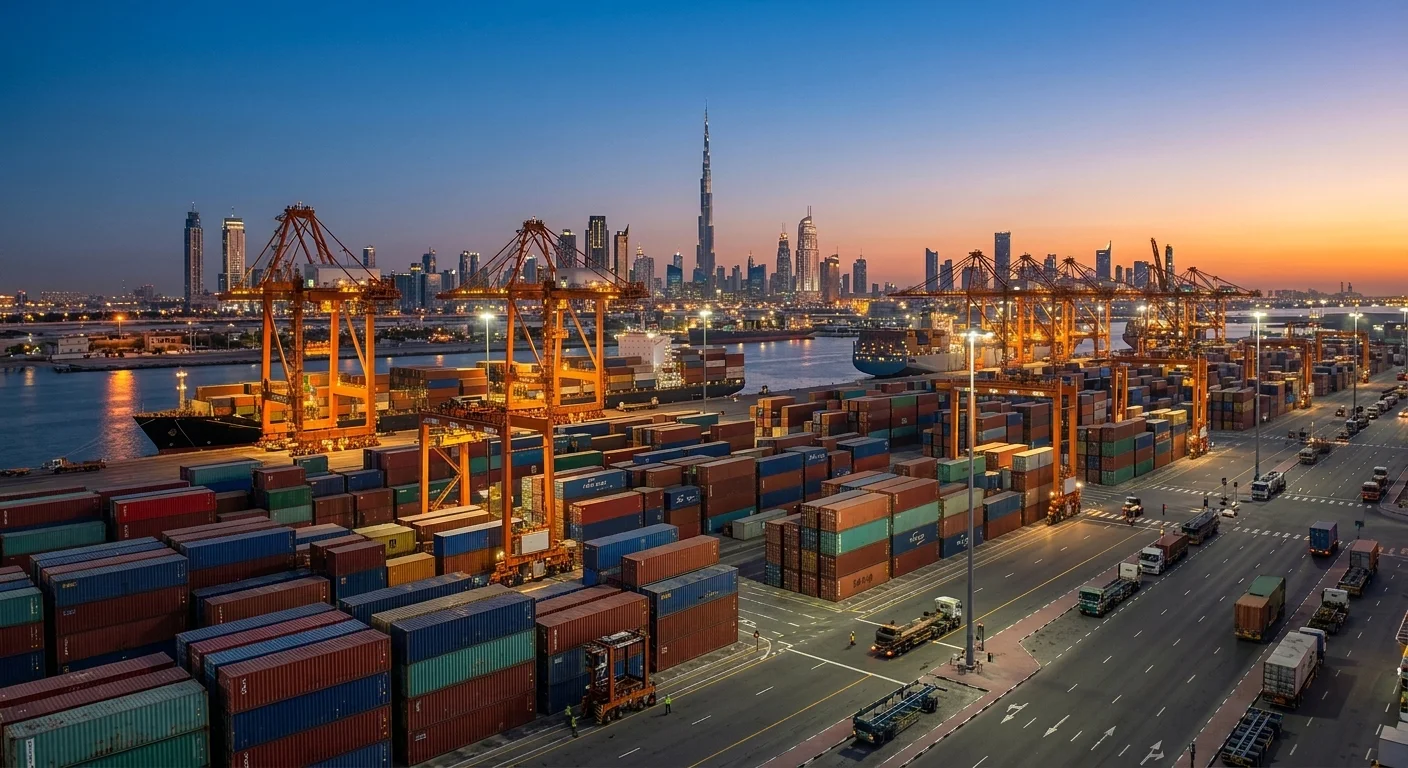
Supported by national initiatives such as the UAE’s Operation 300bn and Centennial 2071, local drug manufacturing across Dubai and Abu Dhabi is expanding rapidly. The region is shifting from being purely an import market to a manufacturing exporter of finished pharmaceuticals. Consequently, freight forwarders must manage bidirectional cold chain flows: importing raw active pharmaceutical ingredients (APIs) under strict CRT controls and exporting finished vaccines and biologics globally via Dubai Cargo Village.
5. Industry Development: Regulatory Tightening and Multimodal Transshipment
The global pharmaceutical logistics landscape is entering an era of elevated regulatory oversight. National health authorities across the GCC, South Asia, and Africa are harmonizing their import regulations with international Good Distribution Practice (GDP) standards.
Harmonization of Regional GDP Standards
Regulatory bodies, including the UAE Ministry of Health and Prevention (MoHAP), the Saudi Food and Drug Authority (SFDA), and the Egyptian Drug Authority (EDA), have updated their inspection protocols. Compliance now requires strict temperature validation for transit storage facilities, continuous calibration records for reefer vehicle fleets, and mandatory risk assessments for every transportation lane. Logistics providers without verified GDP infrastructure will face increasing barriers to entry.
Sea-Air Multimodal Integration via Dubai
To balance high air freight costs with ocean shipping delays, multimodal Sea-Air solutions are gaining traction for Controlled Room Temperature (+15°C to +25°C) products. Utilizing Jebel Ali Port for incoming reefer ocean vessels, followed by rapid customs bonding and transfer to Dubai International Airport (DXB) or Al Maktoum International Airport (DWC) for final air freight delivery, cuts transport costs by 30-40% compared to direct air freight while reducing transit times by 50% compared to pure ocean freight.
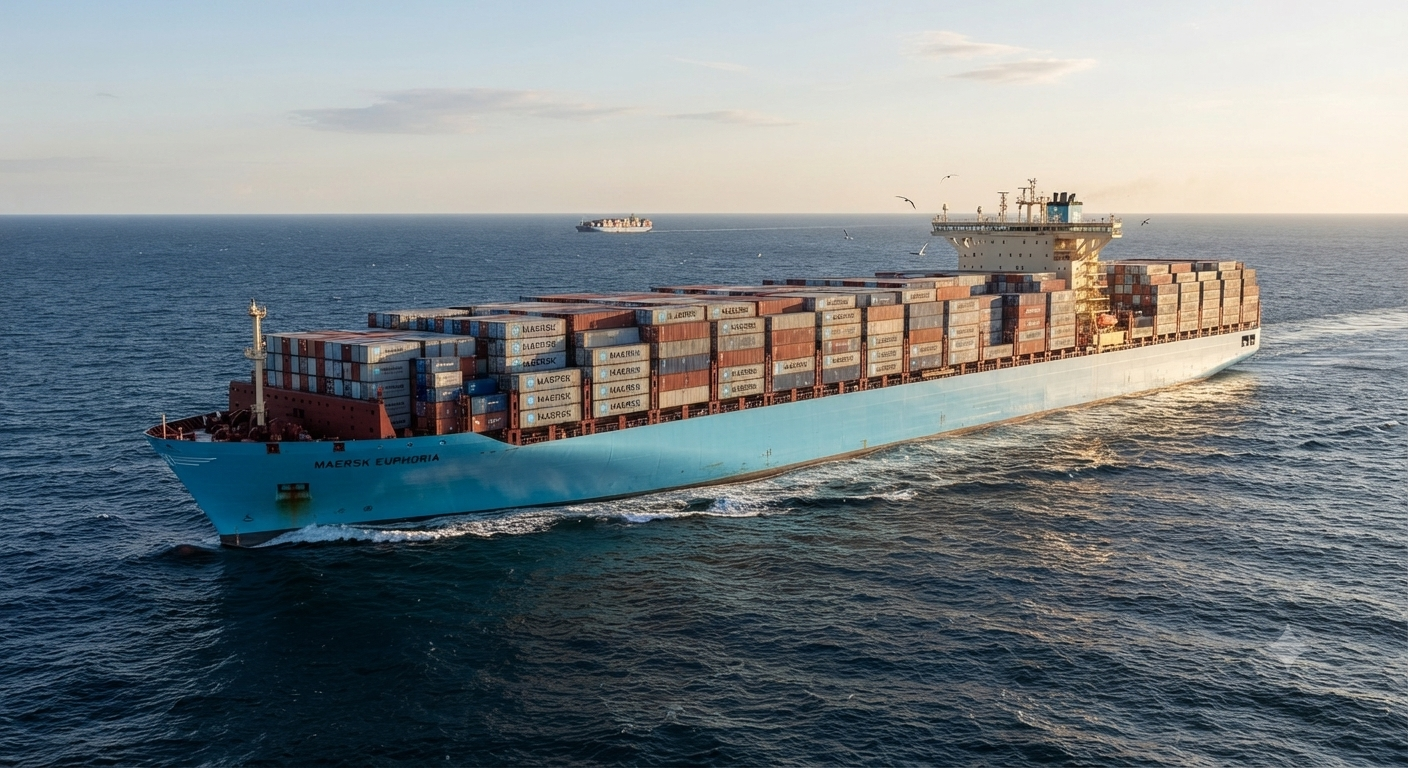
Navigating complex sea-air corridors requires robust customs bonding capabilities and synchronized reefer transport. UKF Services oversees bonded transfers between Jebel Ali Free Zone (JAFZA) and Dubai Airport Freezone (DAFZA), maintaining uninterrupted power connectivity for active reefer units throughout the landside transfer process.
6. Procurement FAQ: Pharmaceutical Cold Chain Logistics Dubai
Below are technical and operational answers to questions frequently evaluated by global life science procurement teams when establishing cold chain operations through Dubai.
Importing pharmaceuticals into Dubai requires an official Import Permit issued by the UAE Ministry of Health and Prevention (MoHAP). Accompanying documentation must include a legalized Certificate of Analysis (CoA), Certificate of Pharmaceutical Product (CPP) or Good Manufacturing Practice (GMP) certificate, a commercial invoice, detailed packing list with batch numbers and expiry dates, and an original Air Waybill or Bill of Lading. For controlled substances, secondary approval from the Narcotics Control Department is mandatory prior to physical dispatch from origin.
UKF Services mitigates thermal risks at Dubai International Airport by enforcing short tarmac exposure protocols. Cargo is prioritized for immediate transfer from the aircraft belly hold to airport cold storage facilities (+2°C to +8°C / +15°C to +25°C). For loose cargo and passive shippers, thermal covers (phase-change quilts) are applied before tarmac exposure. Active reefer units (Envirotainer/CSafe) are plugged into electrical charging stations immediately upon reaching the cargo terminal handling facility.
In the event of a detected thermal excursion via real-time IoT loggers or visual unit indicators, the shipment is immediately quarantined into a GDP-validated temperature-controlled holding zone (+2°C to +8°C or +15°C to +25°C based on master protocol). An operational Excursion Incident Report (EIR) is generated within 2 hours, detailing the exact duration, ambient extremes, and telemetry curve. The client’s Quality Assurance (QA) team is notified to evaluate stability data before any further movement or customs submission occurs.
Yes. We operate a fleet of GDP-certified, dual-discharge climate-controlled reefer trucks equipped with calibrated multi-sensor temperature logging, GPS tracking, and remote alarm systems. We manage full border customs brokerage at Ghuwaifat (UAE-Saudi border) and Hatta/Wada Hatta (UAE-Oman border), ensuring pre-cleared documentation to prevent border delay heat risks.
For shipments requiring sustained deep-freeze temperatures (-80°C to -20°C), UKF Services maintains certified dry ice replenishment services at Dubai Cargo Village. Our team monitors sublimation rates during extended transshipments and tops up high-purity dry ice pellets in accordance with IATA Dangerous Goods Regulations (DGR) packaging limits and airline acceptance limits.
Partner with Dubai’s GDP Cold Chain Specialists
Eliminate thermal risk, streamline MoHAP customs clearance, and secure zero-excursion distribution for your pharmaceutical products through Dubai.