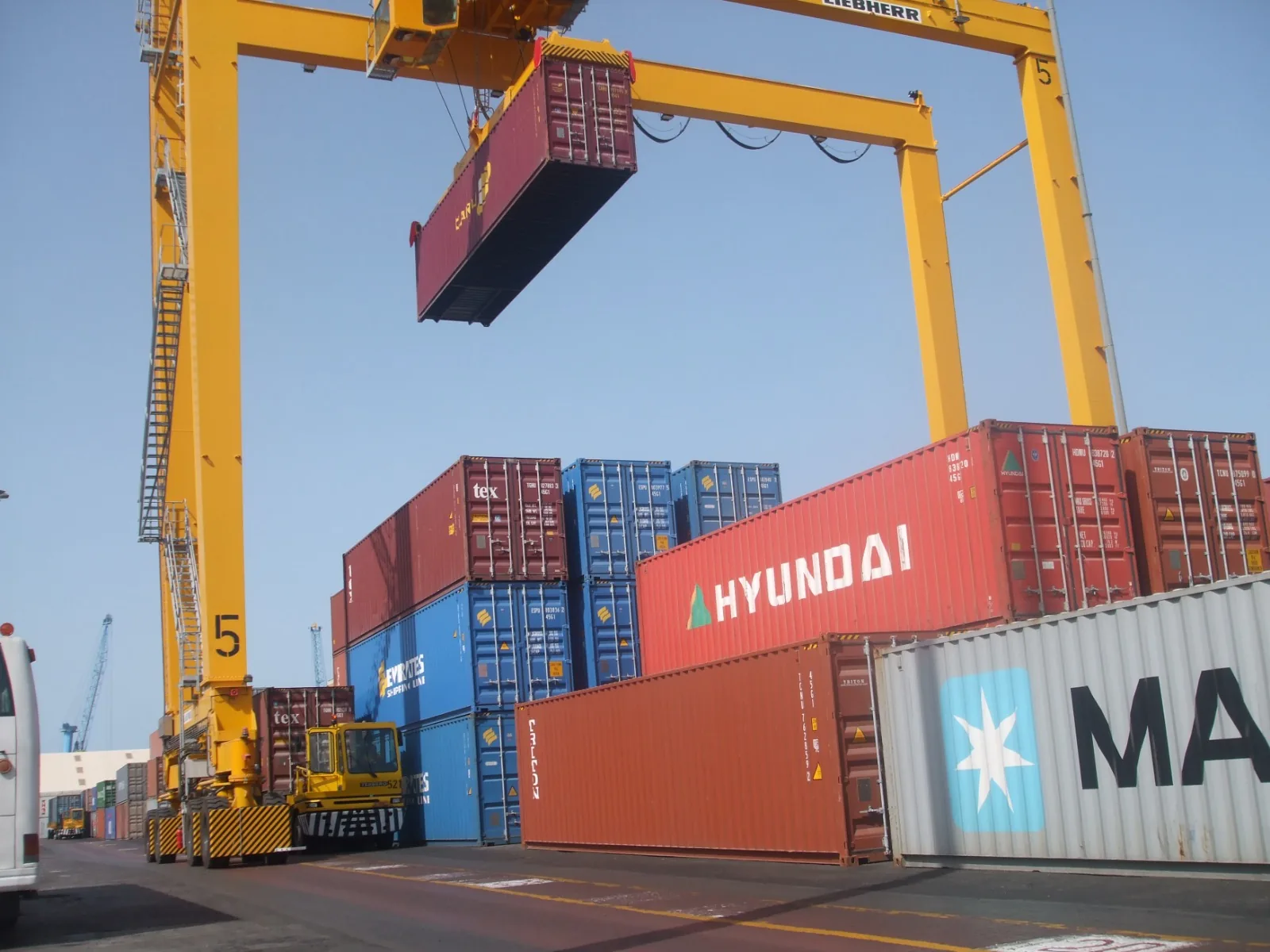
1. The Operational Reality of Maritime Crisis: Why Red Sea Route Diversion Services Are Essential
The ongoing security volatility surrounding the Bab-el-Mandeb Strait and the Southern Red Sea has fundamentally rewritten global maritime trade economics. For decades, the Suez Canal transit corridor served as the primary arterial link connecting Asian manufacturing hubs (Shanghai, Ningbo, Singapore, Tanjung Priok) with Northern European, Mediterranean, and US East Coast consumer markets—carrying approximately 12% of global trade and nearly 30% of global containerized traffic.
When maritime carriers are forced to bypass the Suez Canal due to missile, drone, and hijacking risks, vessels must execute a mandatory reroute around the Cape of Good Hope at the southern tip of Africa. This diversion introduces a staggering 3,500 to 4,000 additional nautical miles per voyage leg, imposing systemic friction across entire global supply chains:
- Severe Transit Time Inflation: Adding 10 to 14 extra sailing days between Asia and Northern Europe, and up to 18 days for Eastern Mediterranean destinations.
- Exorbitant Surcharge Compounding: Uncontrollable accumulation of Peak Season Surcharges (PSS), Emergency Operational Surcharges (EOS), Contingency Adjustment Factors (CAF), and War Risk Surcharges (WRS).
- Systemic Capacity Absorption: The physical extension of voyage lengths absorbs approximately 1.5 million to 2 million TEUs of global vessel capacity, creating localized container equipment shortages, blank sailings, and severe port congestion at European hubs like Rotterdam, Antwerp, and Hamburg.
- Financial Working Capital Drain: Importers face exponentially higher inventory carrying costs, missed retail windows, production line stoppages, and elevated insurance deductibles under traditional CIF/CFR agreements.
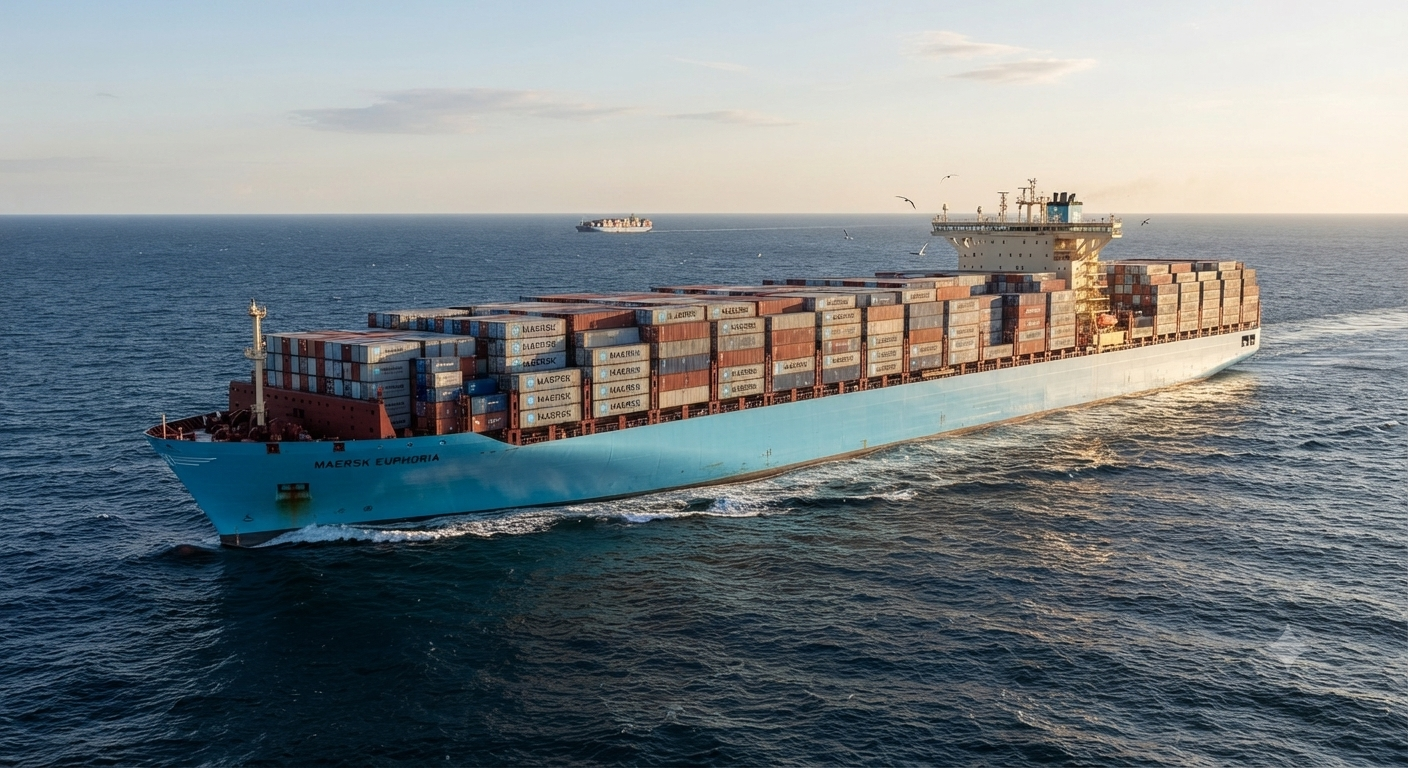
Navigating this environment requires more than simple booking adjustments. Procurement directors require robust Red Sea Freight Route Diversion Services that combine real-time vessel tracking, dynamic tariff protection, alternative gateway selection, and seamless intermodal transshipment.
2. Strategic Diversion Matrix: Core Services Recommended for Global Procurement Teams
At UKF Services, operating directly out of Office No. 2056-A, Entrance 4, Dubai Cargo Village since 2008, we have architected four tier-one diversion services designed to preserve velocity, contain freight expenditures, and safeguard cargo integrity.
Option A: Cape of Good Hope Deep-Sea Rerouting with Dynamic Surcharge Management
For non-perishable, bulk, or lower-margin commodities where ocean freight remains the only economically viable transport mode, UKF Services coordinates direct carrier rerouting around Africa while insulating buyers from predatory spot-market pricing.
- Guaranteed Equipment Allocation: Direct contracts with ocean carriers to secure 20ft, 40ft HC, and specialized reefer units at origin ports across China, Vietnam, and Indonesia.
- Buffer Window Contracting: Pre-booked blank sailing buffers to ensure your containers are not left rolled at transshipment ports like Colombo or Singapore for weeks.
- Transparent Cost Auditing: Comprehensive itemization of base ocean freight vs. genuine carrier fuel surcharges (BCO/BAF), eliminating arbitrary "crisis fees."
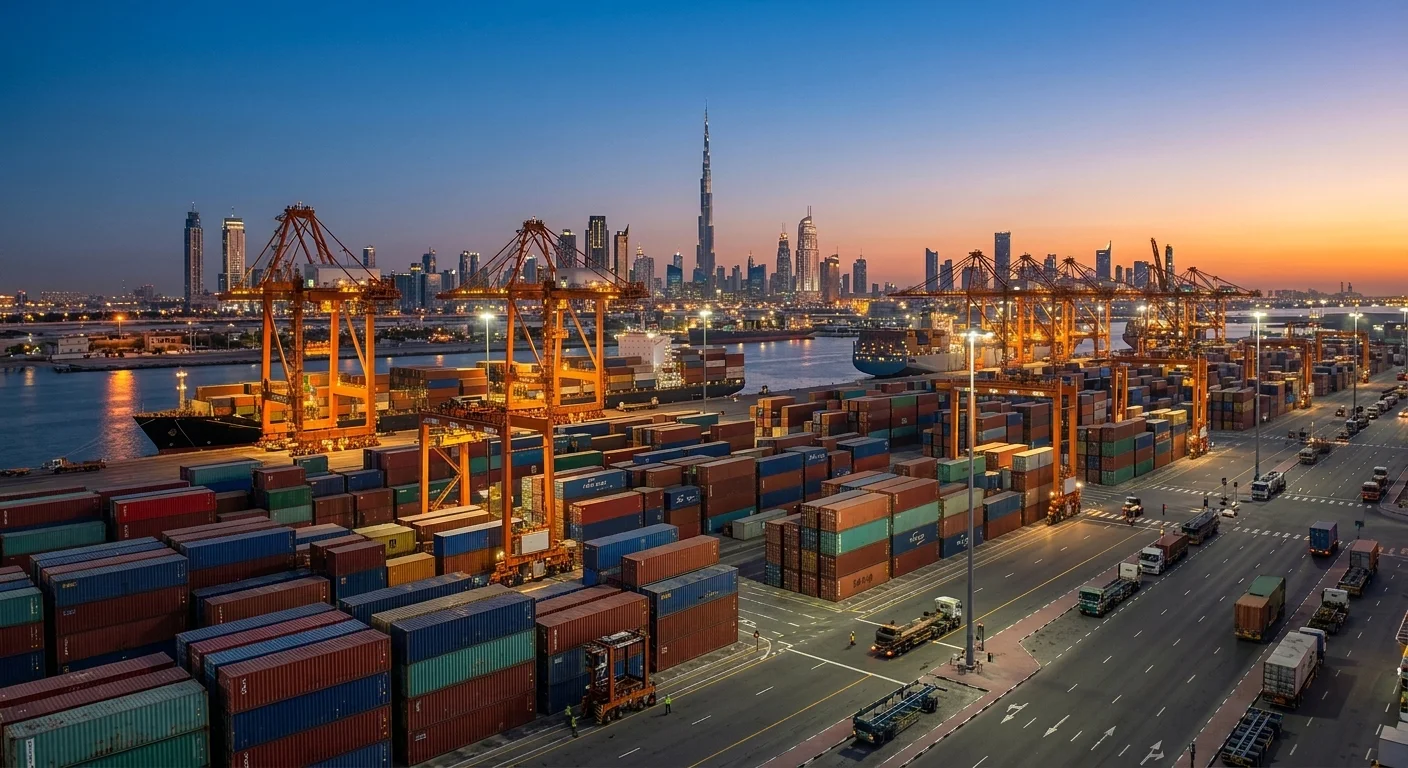
Option B: Dubai Sea-Air Transshipment (The Fast-Track 10-Day Europe Solution)
When the Cape of Good Hope transit time of 32–40 days is unviable for high-value electronics, automotive components, fashion apparel, or fast-moving consumer goods (FMCG), UKF’s flagship Dubai Sea-Air Service provides the ultimate operational compromise.
Information Gain: How Dubai Sea-Air Beats Cape Rerouting
Ocean Transit: Asia Port to Jebel Ali Port, Dubai (10–12 Days)
Rapid Bonded Transfer: Jebel Ali to Dubai Cargo Village / DXB / DWC (4–8 Hours via Bonded Corridor)
Air Uplift: Dubai to Frankfurt, London Heathrow, or JFK (6–10 Hours)
Total Door-to-Door Time: 12–14 Days (Saving 20+ Days vs Cape Reroute at 30–50% lower cost than 100% Pure Air Freight).
Option C: GCC Cross-Border Overland Landbridge Bypass Corridor
For cargo originating in or destined for Middle Eastern, Eastern Mediterranean, or North African markets, ocean vessels drop cargo at Arabian Gulf transshipment hubs (Jebel Ali, Dammam). UKF Services manages bonded overland road freight across Saudi Arabia, Jordan, and the UAE.
- Customs-sealed bonded trailer fleets operating under GCC Carnet TIR regulations.
- Direct transit to Mediterranean ports (such as Aqaba or King Abdullah Port) bypassing the Bab-el-Mandeb chokepoint entirely.
- Full GPS track-and-trace with live temperature logging for sensitive shipments.
Option D: Perishable & Cold-Chain Emergency Diversion Protocol
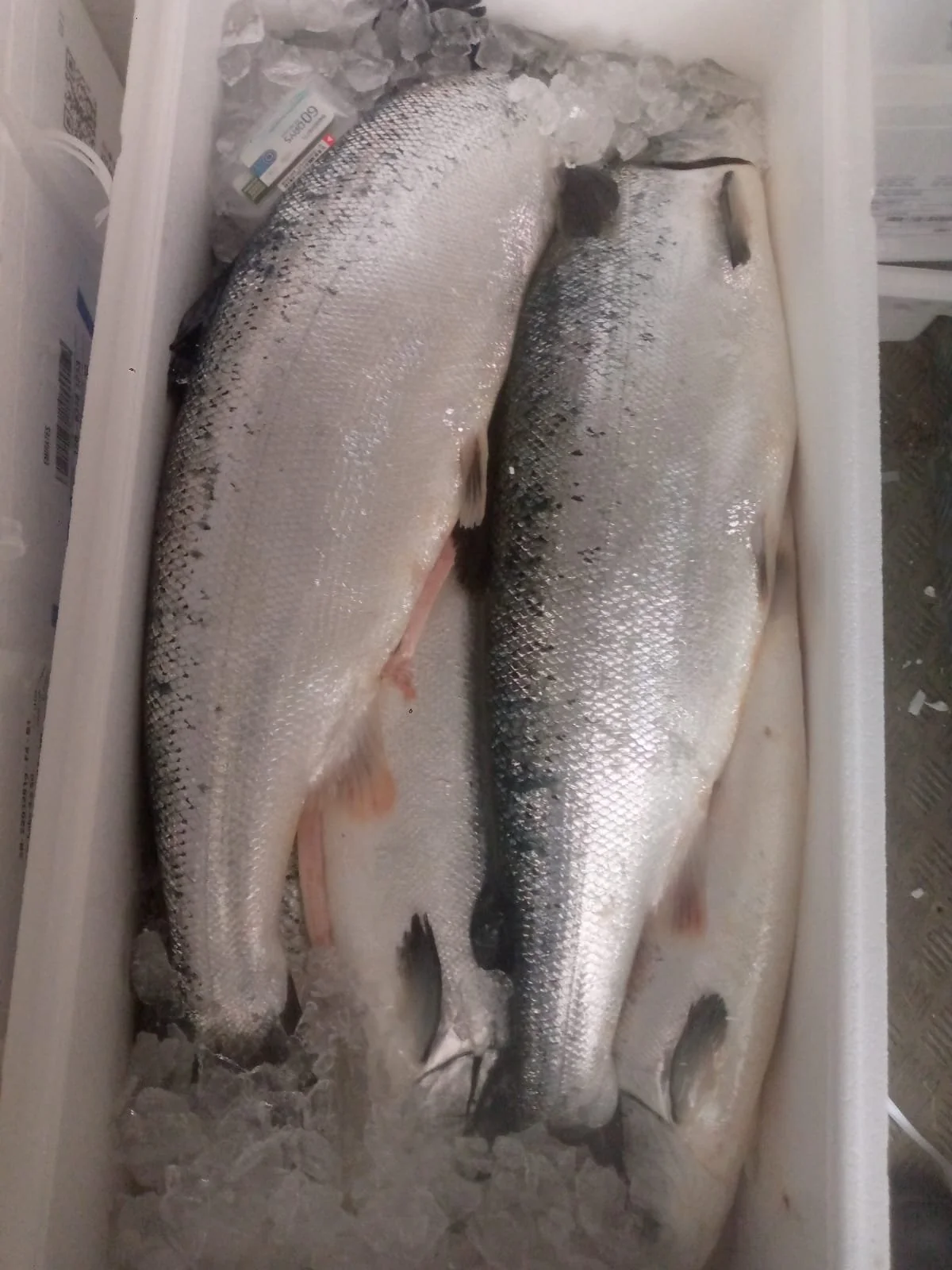
Perishable goods—such as fresh seafood, high-grade meats, and pharmaceuticals—cannot survive extended 40-day voyages around Africa without severe quality degradation. UKF Services specializes in cold-chain rescue operations.
| Diversion Service Mode | Typical Route Architecture | Average Transit Time | Relative Cost Index | Ideal Commodity Profile |
|---|---|---|---|---|
| Cape Reroute (Ocean) | Asia → Cape of Good Hope → N. Europe | 32 – 42 Days | Baseline ($) | Industrial raw materials, heavy machinery, furniture |
| Dubai Sea-Air Intermodal | Asia Ocean → Jebel Ali → DXB/DWC Air → Europe/US | 10 – 14 Days | Moderate ($$$) | High-tech electronics, fashion, automotive spare parts |
| GCC Landbridge (Truck) | Jebel Ali / Dammam → Saudi Arabia → Jordan/Med | 5 – 8 Days | Balanced ($$) | Regional GCC distribution, construction goods, retail |
| Pure Emergency Air Cargo | Origin Hub → Direct Air Freight → Destination Hub | 2 – 4 Days | Premium ($$$$$) | Pharmaceuticals, fresh salmon/perishables, AOG parts |
3. Future Procurement Trends in Disrupted Trade Corridors (2026–2030)
As geopolitical fragmentation becomes a structural feature of modern international trade rather than a temporary anomaly, global procurement leaders are completely redesigning their supply chain sourcing strategies. AI intent mining across thousands of corporate procurement queries reveals four decisive structural shifts:
1. Nearshoring & Dual-Sourcing Realignment ("Just-in-Case" Infrastructure)
The legacy "Just-in-Time" (JIT) single-origin procurement model has failed under the pressure of consecutive maritime bottlenecks. Global enterprises are systematically establishing secondary manufacturing and assembly bases in Southeast Asia (Indonesia, Vietnam, Malaysia) and Nearshoring hubs (Turkey, Mexico, Eastern Europe). Procurement contracts now explicitly demand dual-corridor logistics capabilities, ensuring that if one maritime route degrades, secondary supply channels activate automatically.
2. Dynamic Index-Linked Rerouting Contracts
Fixed annual ocean freight contracts (BCOs) have proved highly vulnerable during crisis periods, as carriers invoke force majeure clauses or apply arbitrary surcharges. Modern procurement contracts incorporate dynamic index-linked pricing frameworks aligned with independent benchmark rates (such as the Shanghai Containerized Freight Index or Drewry WCI), combined with pre-agreed Service Level Agreements (SLAs) for automated rerouting triggers when transit delays exceed set thresholds.
3. ESG, Carbon Scope 3 Accounting, and Environmental Compliance
Bypassing the Red Sea via the Cape of Good Hope increases a container ship’s fuel consumption by 40% to 60%, generating hundreds of additional metric tons of CO2 equivalent per voyage. With stringent regulatory frameworks like the EU Corporate Sustainability Due Diligence Directive (CSDDD) and the EU Emissions Trading System (EU ETS) penalizing maritime emissions, global buyers are under pressure to balance emergency diversion speeds with corporate carbon budgets. Sea-Air intermodal routing via Dubai is increasingly selected by sustainability officers to optimize emissions per unit of delivered value.
4. Predictive AI-Driven Supply Chain Telemetry
Procurement departments no longer accept static container tracking numbers. AI-enhanced predictive analytics combine satellite AIS tracking, port dwell-time algorithms, and real-time weather forecasting to simulate route risks 14 days before vessel departure. This predictive capability allows logistics managers to re-route shipments to Sea-Air or GCC landbridge options before containers are loaded onto disrupted vessels.
4. Ocean Carrier Alliance Reshuffling & Vessel Operations Dynamics
Understanding the structural developments within ocean shipping alliances is vital for logistics directors seeking predictable diversion execution:
- Alliance Realignment Impact: The restructuring of major container shipping alliances (such as the Gemini Cooperation between Maersk and Hapag-Lloyd, alongside the Ocean Alliance and MSC's independent network) has concentrated vessel deployments on hub-and-spoke networks. This makes mega-hubs like Dubai (Jebel Ali) critical transshipment nodes.
- Feeder Network Restructuring: Deep-sea container vessels are increasingly reluctant to enter volatile Red Sea feeder ports (Jeddah, Aqaba, Massawa). Secondary regional feeder networks originating out of Dubai now handle localized regional distribution under protected naval escort or overland bonded truck transshipment.
- War Risk Surcharge Volatility: Marine hull and machinery insurance underwriters update war risk premiums on a weekly basis. Forwarders with direct physical presences inside major free zones—like UKF Services at Dubai Cargo Village—can lock in clear customs valuation and eliminate speculative insurance markups imposed by intermediaries.
Need an Emergency Red Sea Rerouting Strategy?
Speak directly with our senior freight specialists operating from Office 2056-A, Entrance 4, Dubai Cargo Village. Receive an itemized, transparent diversion quote within hours.
Contact Us5. Enterprise Credibility & Operational Excellence: Why UKF Services
When maritime crises disrupt trade lanes, corporate procurement officers cannot rely on automated call centers or digital freight brokers with no physical infrastructure. You need seasoned specialists on the ground at the cross-roads of global commerce.
Physical Presence at Dubai Cargo Village Since 2008
UKF Services (UKF Sea & Air Cargo Services LLC) is not a remote virtual platform. We have operated continuously from Office No. 2056-A, First Floor, Entrance No. 4, Dubai Cargo Village for over 17 years. Our operational team sits yards away from airside cargo handling facilities at Dubai International Airport (DXB) and maintains direct integration with Dubai Customs officers, airport handlers (DNATA), and port operators at Jebel Ali.
Executive Leadership with 25+ Years Industry Expertise
Led by Chief Executive Officer Mirza Salim Baig, who brings over 25 years of hands-on expertise in international freight forwarding, customs compliance, and specialized project cargo management, UKF Services has built an unblemished reputation among CFOs and supply chain vice presidents across the UAE and internationally.
Our Core Operational Commitments:
- 100% UAE Customs Compliance Record: Zero customs fines, penalties, or regulatory hold notices across 17+ years of operations.
- Zero Hidden Surcharges: Every quote provided during Red Sea crisis situations is fully itemized—base rate, fuel, terminal handling, and customs breakdown. No unexpected surprise invoices at destination.
- Single Point of Contact: You are assigned a dedicated senior logistics officer who oversees your shipment from vessel departure to final POD confirmation.
- Specialized Trade Corridor Dominance: Recognized expertise across demanding trade corridors, including the UAE–Indonesia (Jebel Ali to Tanjung Priok / Jakarta / Surabaya) route, European perishable cold-chains (Norwegian salmon), and high-value bullion/electronics transport.