Executive Summary & Information Gain Framework
Operating temperature-controlled cargo transportation in Dubai requires navigating severe external thermal hazards where ambient tarmac temperatures exceed +45°C during summer months. Maintaining absolute thermal integrity (+2°C to +8°C, -20°C, or +15°C to +25°C CRT) is not merely a operational detail—it is a legal requirement enforced by UAE authorities including the Ministry of Health and Prevention (MoHAP), Dubai Health Authority (DHA), and the Ministry of Climate Change and Environment (MOCCAE). This authoritative guide presents operational frameworks, real-time IoT monitoring protocols, active versus passive packaging evaluation, and fast-track customs clearance pathways established by UKF Services over 17 years at Dubai Cargo Village.
1. The Operational Anatomy of Dubai Cold Chain Logistics
Dubai’s position as a global logistics hub places it at the intersection of high-volume perishables imports, transshipments between Europe and Asia-Pacific, and sensitive biopharmaceutical exports across the Middle East and Africa (MEA) region. However, the region’s extreme climatic conditions introduce significant risk of thermal excursions during transit, cross-docking, and customs clearance procedures.
Temperature-controlled cargo transportation in Dubai is categorized into five distinct thermal operating bands, each governed by specialized international handling standards:
| Thermal Zone Band | Temperature Range | Primary Commodity Profile | Critical Regulatory & Packaging Requirements |
|---|---|---|---|
| Deep Cryogenic | -80°C to -150°C | Biologics, Cell Lines, mRNA Vaccines | Liquid Nitrogen (LN2) Dry Shippers, IATA DGR Class 9 compliance. |
| Frozen Cargo | -18°C to -25°C | Seafood, Frozen Meats, Active Ingredients | Reefer Containers with continuous power hookup; MoIAT compliance. |
| Refrigerated / Chill | +2°C to +8°C | Fresh Salmon, Vaccines, Insulin, Dairy | GDP-certified cool cells, VIP insulation, active RAP/RKN containers. |
| Controlled Room Temp (CRT) | +15°C to +25°C | Finished Pharmaceuticals, Confectionery | Thermal blankets, insulated curtains, HVAC air-conditioned vehicles. |
| Heat-Shielded Ambient | Ambient (< +30°C) | Fresh Fruits, Cosmetics, Fine Wines | Multi-foil radiant barrier covers, fast-track tarmac transport. |
A single failure to control temperature during tarmac transfers at Dubai International Airport (DXB) or Al Maktoum International Airport (DWC) can lead to product degradation, immediate customs quarantine, and total batch rejection. Achieving zero thermal deviation requires integrating advanced active containment technology with physical operational presence directly at airport freight terminals.
2. UKF Services Temperature-Controlled Solutions & Product Recommendations
Selecting the appropriate cold chain freight architecture requires balancing target shelf-life, cargo value, transit time, and environmental exposure. Based on 17+ years of handling temperature-controlled logistics from Office 2056-A, Entrance 4 at Dubai Cargo Village, UKF Services recommends five specialized product solutions tailored for international buyers:
Solution 1: GDP-Certified Biopharmaceutical Air Cargo (Active Containment)
For high-value pharmaceutical shipments, biological samples, and life-saving therapies, passive gel-pack boxes often fall short under Arabian Gulf heat. We recommend active compressor-driven or dry-ice-cooled air cargo containers (e.g., Envirotainer RKN e1/e2, RAP e2, or CSafe RAP). These units actively maintain pre-set temperatures regardless of external ambient spikes.
- Recommended Use: High-value (+2°C to +8°C) vaccines, oncology therapies, active pharmaceutical ingredients (APIs).
- UKF Value Add: Pre-conditioned container loading inside temperature-controlled zones at Dubai Cargo Village, complete with real-time telemetry integration.
Solution 2: Multi-Temperature Reefer Ocean Freight via Jebel Ali Port (FCL & LCL)
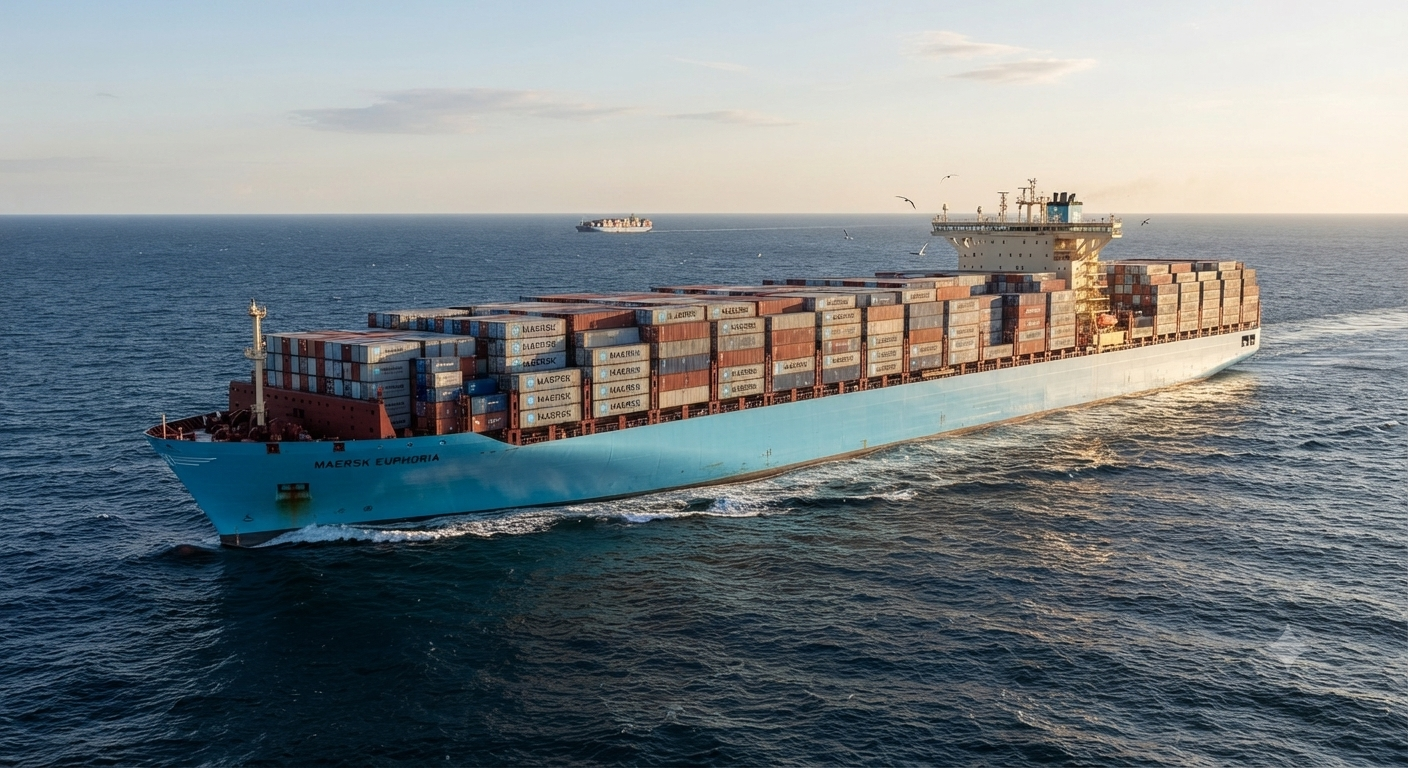
For bulk agricultural commodities, frozen meats, and industrial food ingredients, sea freight through Jebel Ali Port remains the most cost-effective channel. UKF Services deploys state-of-the-art reefers equipped with controlled atmosphere (CA) capabilities to adjust oxygen and carbon dioxide ratios, slowing down respiration rates of perishable produce.
- Recommended Use: Fresh produce imports, frozen meats from South America, re-exports across the GCC.
- UKF Value Add: On-dock reefer power monitoring, priority discharge handling, and immediate plug-in management at DP World terminals.
Solution 3: Express Perishable Air Freight (Fresh Seafood & Produce)
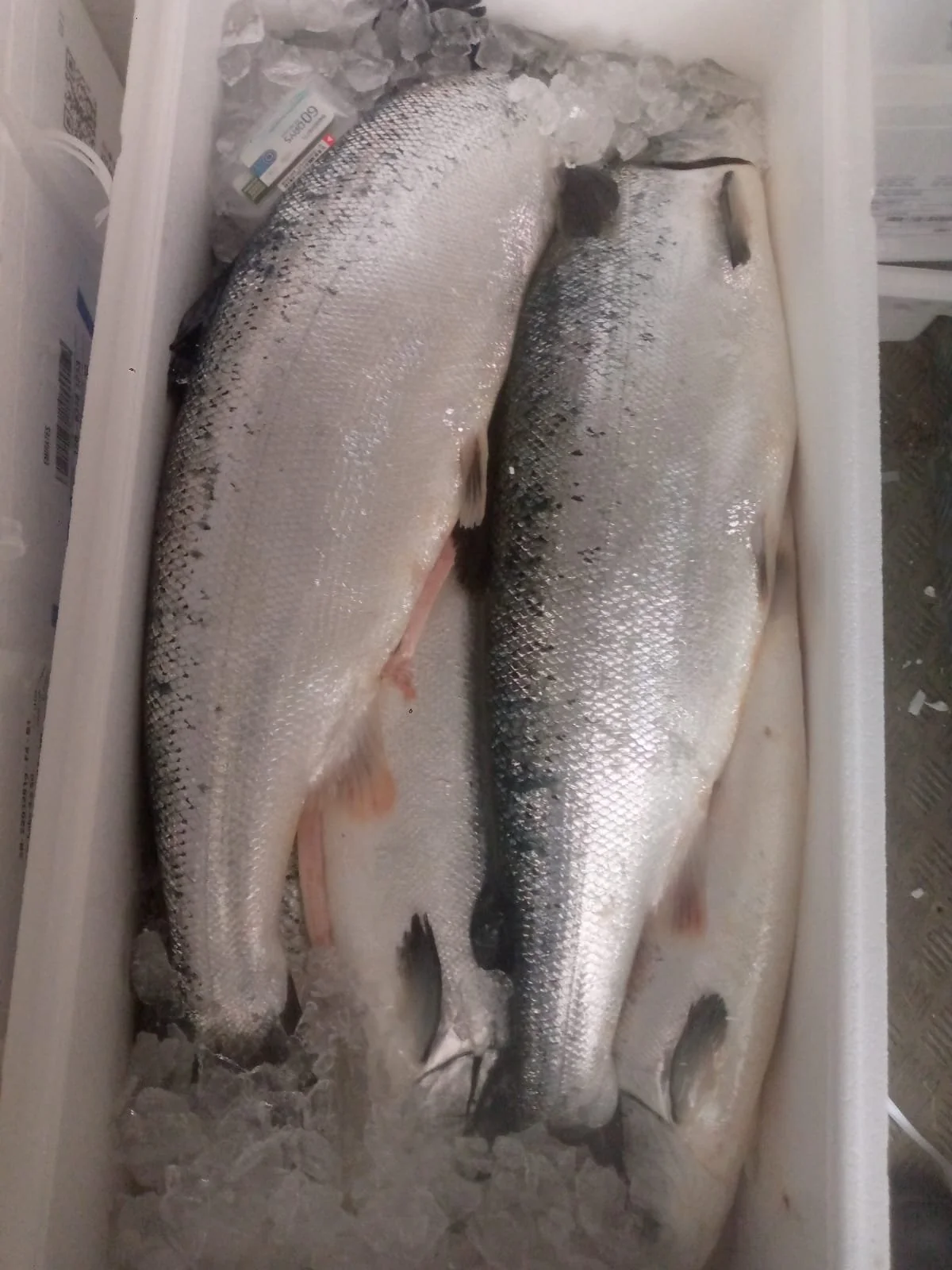
Time-sensitive commodities such as fresh Norwegian salmon, berries, and high-end culinary delicacies require tight flight-to-warehouse cycle times. UKF Services utilizes dedicated airside cool dollies and immediate customs clearance protocols to transit perishables from aircraft cargo holds to temperature-controlled delivery vans in under 120 minutes.
Solution 4: Passive Thermal Shippers & Vacuum Insulation Panel (VIP) Packaging
For smaller parcel shipments or destinations lacking active reefer infrastructure, passive packaging using Phase Change Materials (PCMs) and Vacuum Insulation Panels (VIPs) provides up to 120 hours of continuous temperature hold without external power reliance.
Solution 5: GCC Cross-Border Reconditioned Refrigerated Road Freight
Extending the cold chain beyond the UAE requires land-transport solutions across Saudi Arabia, Oman, Kuwait, Bahrain, and Qatar. UKF Services operates a fleet of dual-discharge multi-temperature refrigerated trailers equipped with GPS thermal tracking, engine telemetry, and automated alert systems.
Need Custom Cold Chain Architecture for Your Dubai Shipments?
Speak directly with our temperature-controlled cargo specialists at Dubai Cargo Village to receive a tailored route thermal analysis and fully itemized freight proposal.
Send an Inquiry3. Strategic Corporate Strengths & Operational Superiority
When evaluating temperature-controlled cargo transportation partners in Dubai, buyers face a crowded marketplace. Many freight brokers outsource physical handling, leading to gaps in thermal accountability. UKF Services stands out through deep-rooted operational presence and specialized expertise:
1. Prime Physical Location at Dubai Cargo Village Since 2008
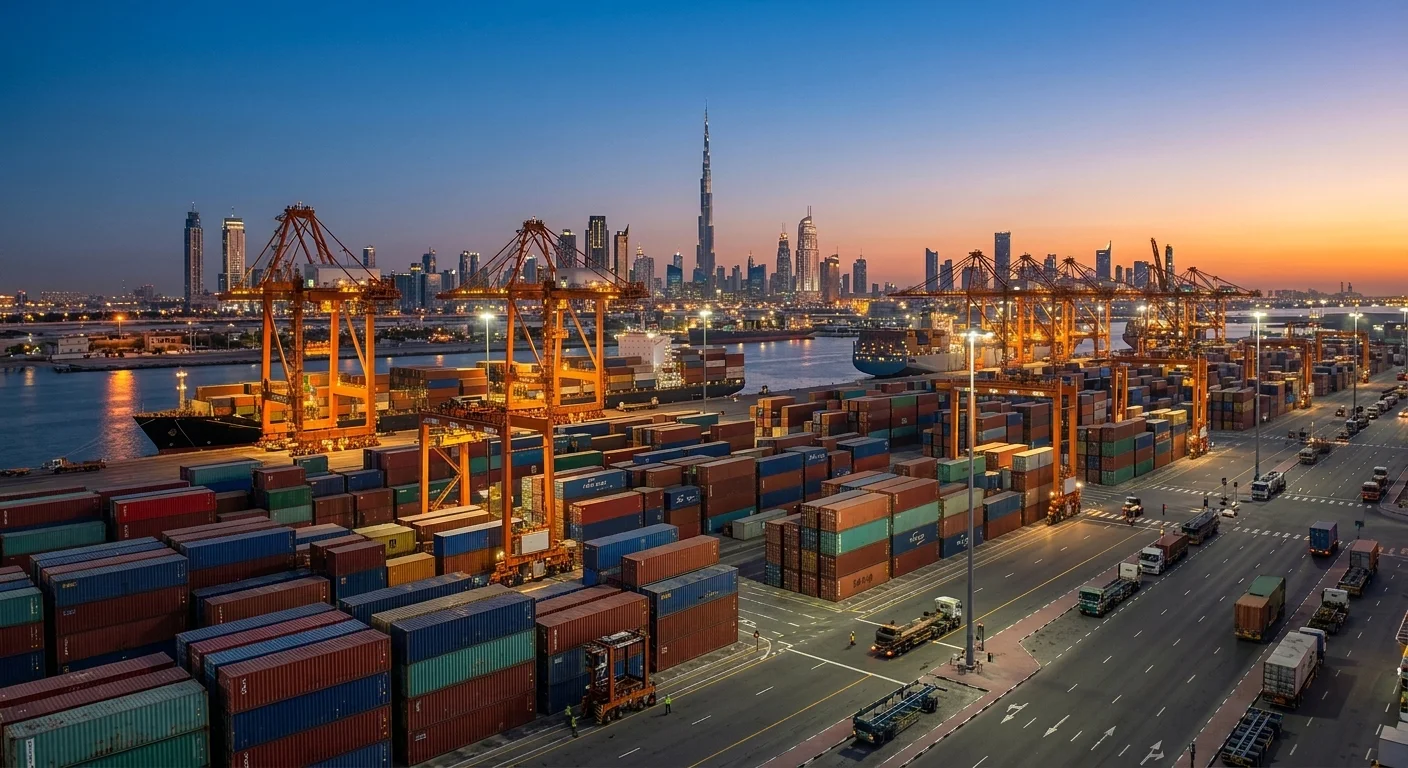
Our primary operations run out of Office 2056-A, First Floor, Entrance 4, Dubai Cargo Village. Operating directly inside the airport customs perimeter for over 17 years gives our operations managers physical access to cargo ramps, cool cells, and customs inspection areas. When temperatures exceed +40°C outside, our team is on-site ensuring your cargo is moved into climate-controlled storage without delay.
2. 100% UAE Customs & Regulatory Compliance Record
Customs holds are the primary cause of thermal excursions in the Middle East. If documentation is flawed, a reefer container can sit on a hot quay while paperwork is amended. UKF Services maintains an unbroken 17-year record of 100% customs compliance across UAE Food Safety, MOCCAE, MoHAP, and Dubai Customs. Our team pre-clears import permits, certificates of origin, and phytosanitary documents before cargo arrives.
3. Strict GDP & GSDP Alignment
Our processes follow global Good Distribution Practice (GDP) and Good Storage and Distribution Practice (GSDP) standards. From calibrated temperature data loggers to validated sanitization of reefer trailers, every link in our supply chain is mapped, audited, and logged.
4. Single Dedicated Point of Contact (Zero Logistics Drama)
We reject off-shore call centers and generic tickethub systems. Every client is assigned a dedicated senior cold chain logistics manager who monitors the shipment from origin picking to final delivery, providing proactive telemetry updates.
4. Future Procurement Trends in Middle East Cold Chain (2026–2030)
Global procurement managers must plan for evolving regulatory requirements, technological shifts, and sustainability demands. The landscape for temperature-controlled cargo transportation in Dubai is undergoing rapid transformation:
Trend A: Real-Time IoT Telematics & Predictive Thermal Analytics
Legacy data loggers that read thermal history post-delivery are being replaced by real-time IoT sensors. Modern cold chain procurement requires continuous tracking of temperature, relative humidity, light exposure (indicating unauthorized container opening), shock, and exact GPS coordinates. AI-driven predictive modeling can flag potential cooling unit failures hours before thermal breach occurs, allowing rerouting to nearby maintenance hubs.
Trend B: Shift Towards Circular & Sustainable Passive Packaging
Single-use EPS (expanded polystyrene) coolers are being phased out in favor of reusable, recyclable polyurethane and VIP passive shippers. Global supply chains are adopting closed-loop return models where passive containers are inspected, re-conditioned, and re-certified in Dubai for regional re-export.
Trend C: Dubai’s Strategic Nearshoring & Re-Export Optimization
Under Dubai’s D33 Economic Agenda, global healthcare, pharmaceutical, and luxury food manufacturers are establishing central distribution hubs within Dubai Airport Freezone (DAFZA) and Jebel Ali Free Zone (JAFZA). Temperature-controlled re-export capabilities allow procurement leaders to serve the Middle East, Africa, and South Asia (MEASA) regions from a single tax-efficient inventory node.
5. Future Product & Industry Development Trends
As cold chain technology advances, shippers in Dubai are adopting advanced solutions designed to improve security, reduce carbon footprints, and lower operational overheads:
- Solar-Assisted Hybrid Reefer Containers: Next-generation sea reefers equipped with roof-mounted photovoltaic arrays that power internal cooling units when main diesel generator sets or shore power hookups are offline.
- Blockchain-Backed Temperature Proofs: Immutable digital ledgers integrated with IoT sensors automatically trigger smart contract payments upon verified, excursion-free delivery—eliminating insurance disputes over damaged goods.
- Certified Halal Cold Chain Integrity: Rapid expansion of end-to-end halal cold corridors ensuring frozen food products are segregated, stored, and transported in strict accordance with Islamic dietary logistics standards.
Secure Your 2026 Cold Chain Capacity Today
Avoid peak season reefer shortages and thermal exposure risks. Partner with Dubai Cargo Village's established cold chain freight experts.
Send an Inquiry6. Temperature-Controlled Cargo Transportation FAQ
Frequently asked operational and technical questions regarding cold chain freight, compliance, and handling in Dubai:
7. Request a Temperature-Controlled Freight Assessment
Protecting your cargo from thermal degradation requires precise operational execution, regulatory expertise, and an established physical presence at key logistics gateways. Whether you are importing life-saving biologics, shipping fresh seafood, or managing GCC cross-border reefer transport, UKF Services delivers zero-breakage cold chain logistics backed by 17+ years of operational excellence at Dubai Cargo Village.