UAE to Indonesia Sea Freight Tanjung Priok: The Definitive Procurement & Customs Blueprint
Navigate FCL/LCL ocean freight dynamics, eliminate Bea Cukai red lane delays, leverage CEPA preferential tariffs, and secure resilient supply chains from Jebel Ali Port directly to Java’s primary maritime hub.
The UAE-to-Indonesia Maritime Axis: Jebel Ali to Tanjung Priok
As bilateral trade between the United Arab Emirates and Indonesia scales past $8 Billion annually under the transformative GCC-Indonesia Comprehensive Economic Partnership Agreement (CEPA), the ocean freight corridor connecting Jebel Ali Port (AEJEA) to Tanjung Priok Port (IDTPP) in Jakarta has evolved into a vital economic artery. For global procurement officers, supply chain directors, and trade compliance managers, executing seamless maritime transport along this trade lane requires far more than securing a booking note. It demands deep operational synchronization between Middle Eastern export protocols and Indonesian import regulations.
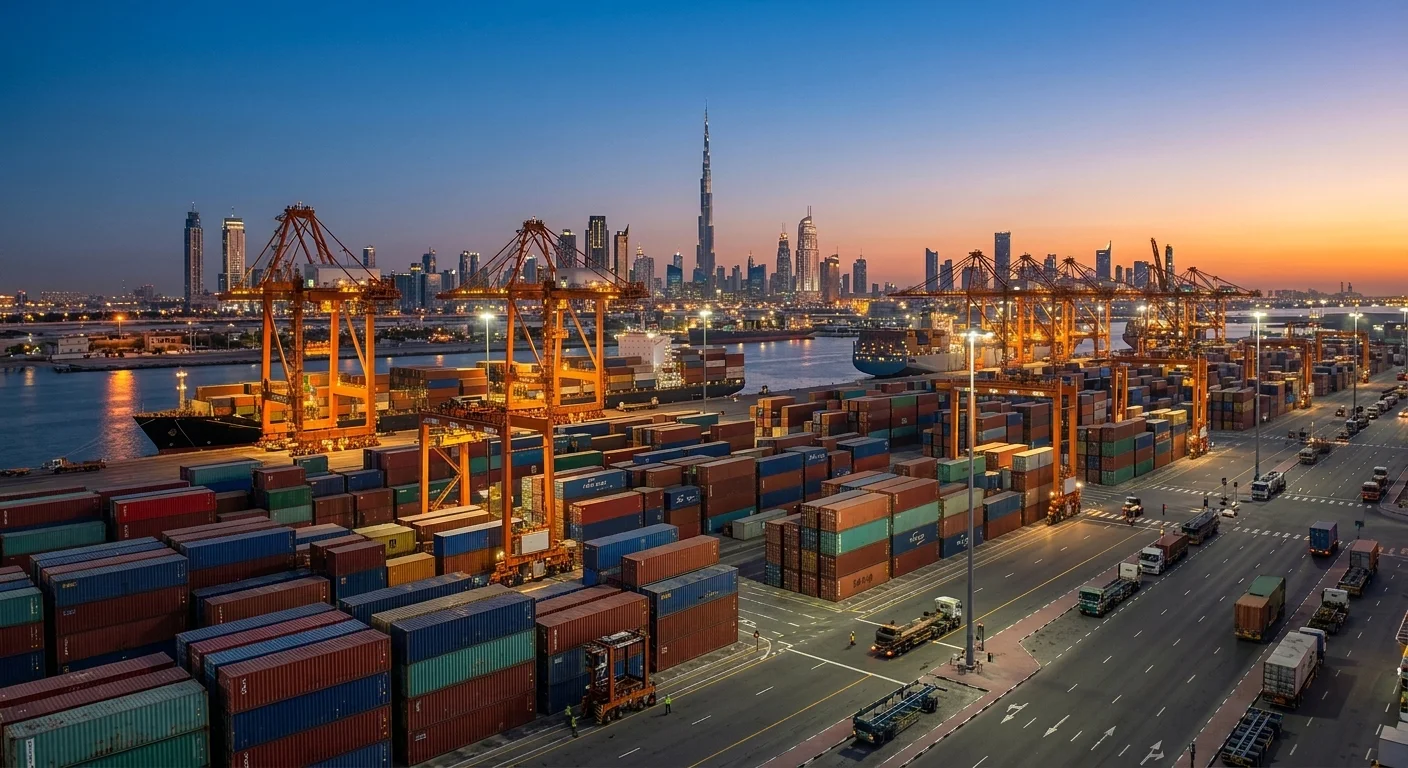
Tanjung Priok handles over 50% of Indonesia’s total transshipment and containerized cargo throughput. Operating across five main container terminals—including the International Container Terminal (JICT) and KOJA Container Terminal—the port serves as the commercial gateway to Java’s industrial heartland. However, navigating Tanjung Priok’s high-density operations requires precise documentation, optimal container selection, and proactive tariff management to prevent costly port demurrage and customs bottlenecks.
Transit Dynamics & Vessel Routing Mechanics
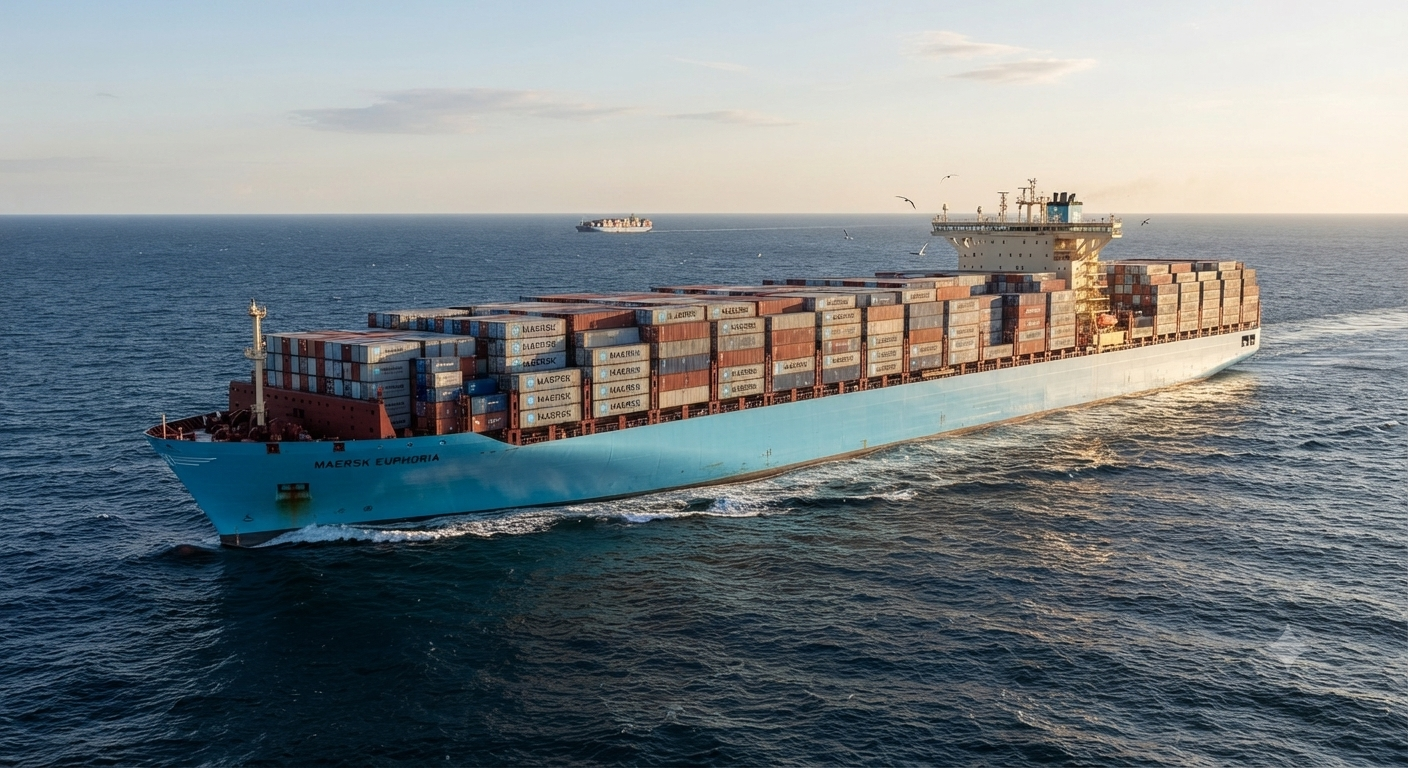
Direct ocean vessel sailings from Jebel Ali to Tanjung Priok deliver transit times ranging between 12 to 16 calendar days. Major ocean carriers operate weekly direct strings connecting the Persian Gulf to Southeast Asia. However, seasonal weather patterns in the Indian Ocean, port congestion in the Straits of Malacca, and transshipment schedules via Singapore or Port Klang can alter these timelines.
When evaluating sea freight choices, logistics planners must choose between two operational architectures:
- Direct Ocean Freight Strings: Offers predictable 12–14 day port-to-port turnarounds. Best suited for high-value industrial equipment, time-sensitive consumer goods, and temperature-controlled reefer cargo.
- Relay / Transshipment Services: Utilizing hubs like Port Klang or Singapore. While offering slightly lower freight rates per TEU (Twenty-Foot Equivalent Unit), transit times expand to 18–22 days, introducing additional handling touchpoints and potential rollover risks during peak export seasons.
Information Gain: Understanding CEPA Tariff Preferential Status (Form K)
Under the UAE-Indonesia CEPA framework, importers entering goods through Tanjung Priok can claim preferential zero-to-low duty rates. However, Bea Cukai (Indonesian Customs) strictly mandates the physical or validated electronic submission of Form K (Certificate of Origin). Failing to align the HS Code on Form K with the Indonesian Harmonized System (BTKI) results in immediate disqualification from preferential duties and triggers standard MFN (Most-Favoured-Nation) tariff penalties.
FCL vs. LCL: Optimizing Your Ocean Cargo Procurement
Choosing between Full Container Load (FCL) and Less than Container Load (LCL) on the UAE to Indonesia route requires a detailed analysis of cargo volume, volumetric density, packaging integrity, and total landed cost. UKF Services engineers customized maritime logistics strategies designed around your specific inventory cycles.
| Freight Parameter | FCL (Full Container Load) | LCL (Less than Container Load) |
|---|---|---|
| Optimal Volume | 15 CBM and above (or high-weight cargo) | 1 CBM to 14 CBM |
| Container Types | 20’GP, 40’GP, 40’HC, Reefer, Open Top | Standard Dry Goods (Consolidated) |
| Average Transit Time | 12 – 16 Days (Direct Port-to-Port) | 16 – 20 Days (Includes CFS Warehousing) |
| Customs Risk Vector | Individual Bill of Lading clearance | Shared container: 1 faulty B/L delays container |
| Handling Integrity | Sealed at Dubai warehouse, opened at Jakarta | Multiple handling steps at Dubai CFS & Priok CFS |
| Free Time (Demurrage) | 7 to 14 Days negotiable at origin/destination | Fixed CFS storage terms (Typically 3-5 days) |
Recommended Container Solutions by Commodity
Petrochemicals & Polymers
UAE export polymers require 20ft Heavy Duty GP containers. Cargo must be loaded within weight compliance thresholds for Indonesian road transport axles upon arrival in Tanjung Priok.
- Flexitank options for liquid chemicals
- Hazardous cargo (DG) Class 3, 6, 8 approvals
Perishables & Halal Food
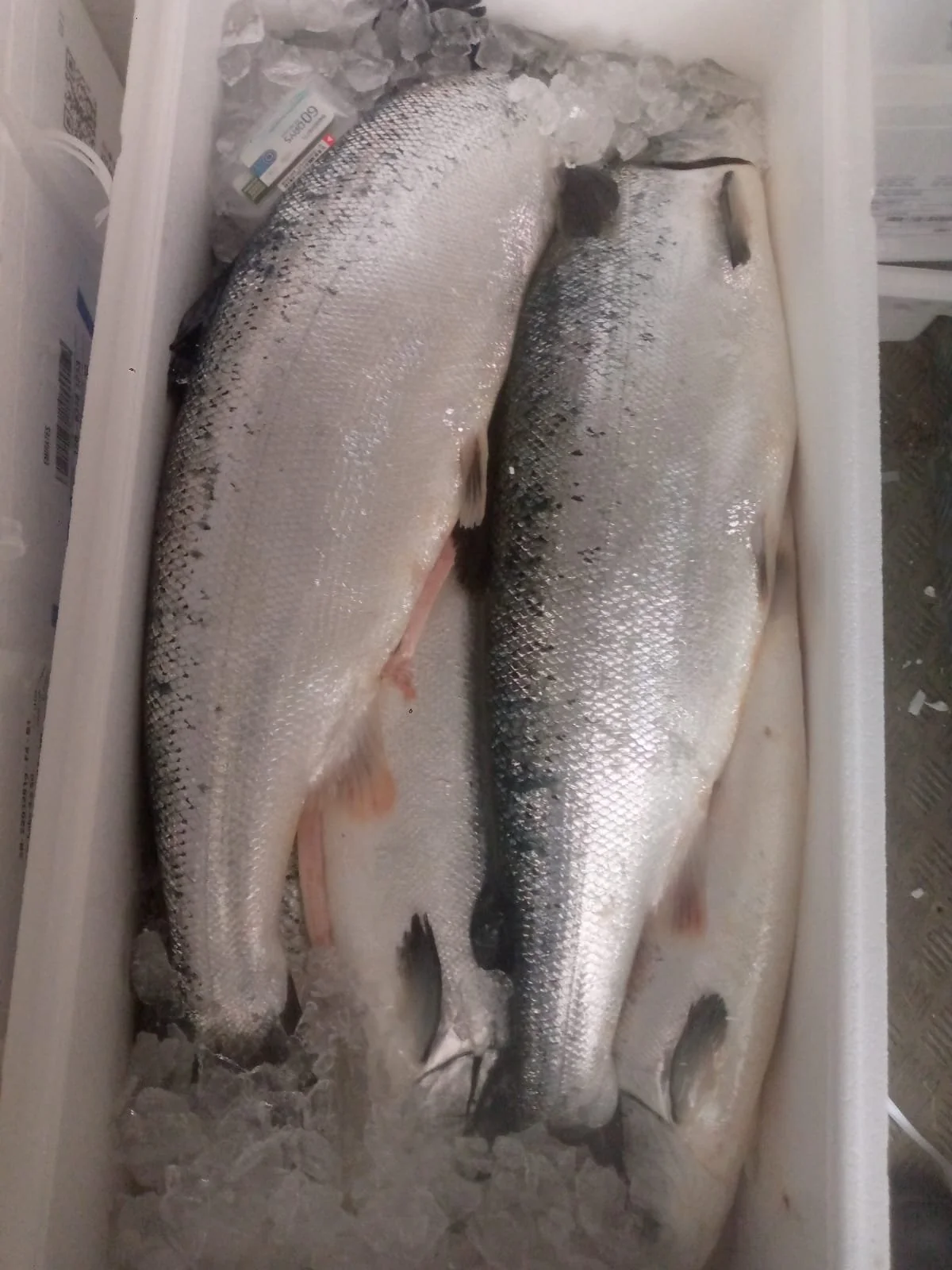
Reefer containers equipped with real-time IoT temperature monitoring. Essential for maintaining cold-chain compliance across the tropical Indian Ocean transit.
- Pre-cooling protocols at Dubai Cargo Village
- BPJPH Halal supply chain certified
Machinery & Project Cargo
Oversized industrial equipment utilizing Flat Rack or Open Top containers loaded via Jebel Ali’s heavy-lift berths for direct delivery to West Java factories.
- Out-Of-Gauge (OOG) survey reports
- Specialized lashing & seaworthy rigging
Future Procurement Trends in UAE-Indonesia Sea Freight (2026–2030)
The global maritime sector is undergoing structural shifts driven by decarbonization mandates, digital compliance ecosystems, and geopolitical realignments. Importers and exporters operating on the Jebel Ali to Tanjung Priok trade lane must align their procurement strategies with several emerging trends:
1. Mandatory Digitalization via INSW & Automated Customs Gates
Indonesia’s Directorate General of Customs and Excise (Bea Cukai) is expanding the integration of the Indonesia National Single Window (INSW) with artificial intelligence inspection engines. Manual paper processing at Tanjung Priok is rapidly being phased out. Ocean carriers and forwarders must now submit advance manifest data (NVOCC manifest) 24 hours prior to vessel departure from Jebel Ali. Future-ready procurement teams must transition to fully digitized documentation pipelines to prevent automatic assignment to the restrictive Red Customs Clearance Lane (Jalur Merah).
2. Green Maritime Corridors & Carbon Tax Regulations
With the International Maritime Organization (IMO) enforcing stricter carbon intensity targets (CII and EEXI) and the expansion of maritime emissions trading schemes, ocean liners operating the Persian Gulf–Southeast Asia routes are introducing dual-fuel LNG and methanol-powered container vessels. Procurement contracts will increasingly feature carbon-footprint reporting clauses, scope 3 emissions tracking, and green freight surcharges. Shippers locking in long-term freight agreements through UKF Services gain access to eco-optimized carrier allocations that reduce carbon liability.
3. Halal Supply Chain Rigor & BPJPH Compliance
Indonesian Law No. 33 of 2014 concerning Halal Product Assurance mandates that all consumer goods, pharmaceuticals, cosmetics, and food products entering Indonesia must be Halal-certified by an entity recognized by the Badan Penyelenggara Jaminan Produk Halal (BPJPH). Crucially, this mandate extends to transport and storage. Future ocean freight procurement must guarantee zero cross-contamination inside shared containers (LCL) and uncompromised Halal integrity during warehouse staging in Dubai.
Navigating Tanjung Priok Customs: Avoiding Demurrage & Red Lanes
Tanjung Priok is notorious for stringent customs scrutiny. Bea Cukai utilizes a sophisticated risk management system that channels incoming shipments into three distinct operational lanes:
- Green Lane (Jalur Hijau): Immediate release without physical cargo inspection or document audit. Container proceeds directly to terminal gates within 24–48 hours.
- Yellow Lane (Jalur Kuning): Requires detailed document verification (Invoice, Packing List, Certificate of Origin, Import Permits) before cargo release. Physical inspection is bypassed unless discrepancies emerge.
- Red Lane (Jalur Merah): Physical container inspection combined with exhaustive document audits. Requires stripping the container at the port warehouse, adding 5 to 10 days of terminal storage and labor fees.
Operational Risk Mitigation Strategy
To guarantee Green Lane status, UKF Services executes a Pre-Clearance Compliance Audit at our Dubai Cargo Village headquarters. We cross-verify the importer’s NIB (Nomor Induk Berusaha), API (Import Identification Number), HS Code alignment against the BTKI database, and verify that L/C (Letter of Credit) terms match the Bill of Lading exactly before the container leaves Jebel Ali.
Essential Documentation Checklist for Tanjung Priok Ocean Imports
- Master & House Bill of Lading (B/L): Must clearly state container/seal numbers, exact gross weight, and detailed commodity description matching the customs declaration.
- Commercial Invoice & Packing List: Itemized by HS Code, origin, unit prices, net/gross weights, and package marks.
- Certificate of Origin (Form K / CEPA COO): Mandatory for claiming preferential tariff concessions under the UAE-Indonesia treaty.
- Import License (NIB / API-U / API-P): Issued via the Indonesian OSS (Online Single Submission) portal.
- Commodity Specific Import Approvals (PI - Persetujuan Impor): Required for restricted goods such as steel, textiles, chemicals, and agricultural items.
- SNI Certificate (Standard Nasional Indonesia): Mandatory quality compliance certificate for technical equipment, electronics, and industrial inputs.
Why Enterprise Exporters Choose UKF Services for Indonesia
Since 2008, UKF Services (UKF Sea & Air Cargo Services LLC) has established itself as the strategic logistics partner of choice for trade-active enterprises across the Middle East. Headquartered at Office No. 2056-A, First Floor, Entrance No. 4, Dubai Cargo Village, we operate directly at the heart of Dubai’s global transport infrastructure.
Unlike freight brokers who outsource core compliance, UKF Services maintains an in-house team of licensed customs brokers, ocean chartering specialists, and trade compliance experts with over 17 years of hands-on operational experience. We bring transparency, operational discipline, and absolute reliability to every ocean freight movement.
The UKF Operational Guarantee
- 100% Customs Compliance Record: Zero customs fines or regulatory penalties recorded across 17+ years of operations in the UAE.
- Dubai Cargo Village Integration: Direct proximity to port authorities, customs desks, and freezone administration for rapid document legalization.
- Itemized Transparent Pricing: Absolutely zero hidden fees, unexpected demurrage surcharges, or post-shipment price hikes.
- Single Point of Contact: Dedicated corridor managers assigned to your account for end-to-end tracking and proactive communication.
UAE to Indonesia Sea Freight (Tanjung Priok) FAQ
Comprehensive operational answers to common questions asked by global supply chain directors and procurement specialists.